
Why SoC drift is an urgent problem for specifiers
State of Charge (SoC) estimation drift quietly erodes performance guarantees on commercial battery systems, raising safety and warranty exposure for projects from campuses to microgrids. Early in the procurement phase, specify the right controls and observe the stack: MPPT, inverter, and charge regulation play central roles—so consider suppliers of mppt charge controllers when you draft technical requirements. Drift isn’t hypothetical; recent grid disturbances like the February 2021 Texas winter outages exposed how inaccurate SoC can amplify operational failures under stress, forcing load-shedding decisions based on misleading state estimates.
Core checklist items for the hardware specifier
Start with hard requirements, not aspirations. A concise checklist keeps procurement focused and auditable:
– Require a battery management system (BMS) that reports algorithm class (e.g., coulomb counting with periodic open-circuit voltage reconciliation or Kalman filter-based estimation) and provides raw telemetry access.
– Mandate firmware update policies, signed binaries, and rollback ability for embedded SoC correction modules.
– Define test data retention windows and sampling rates (minimum 1 Hz for SoC telemetry during commissioning) and require tamper-evident logs.
– Specify thermal management metrics: continuous temperature sampling across cell strings and alarms for excursions beyond rated ranges.
– Insist on proven charge control paths and validated charge controllers from a reputable pv charge controller manufacturer when integrating PV arrays into storage sites.
How to test SoC drift controls—practical protocols and common mistakes
Testing must be operational and repeatable. Run these validation steps during commissioning and at 6‑month intervals: controlled charge/discharge cycles with traceable energy metering, long rest periods to allow open-circuit voltage recovery, and cross-checks between BMS SoC and external energy counters. Use coulomb counting as the baseline and a Kalman filter or model-based reconciliation to correct cumulative error. Avoid relying solely on open-circuit voltage under load—it’s a frequent mistake that masks drift.
Commissioning should specify exact parameters: cycle depth (DoD) at 80% nominal, charge/discharge currents limited to C/2 for three cycles, and a rest period of four hours before OCV verification. Log frequency matters—insist on continuous logging at 1 Hz for BMS internal values and 10-second aggregates for system-wide metrics. Proper test windows make certification defensible and repeatable.
Procurement choices, alternatives, and integration pitfalls
Balance brand diligence with systems thinking. Some vendors favor integrated BMS + inverter stacks; others allow independent best-of-breed components. Both approaches work when interfaces are specified: pinout-level communications, heartbeat intervals, and emergency shutdown behavior. Neglecting interface contracts is the most common procurement error—your specs must force clear fault propagation paths and defined fallback SoC handling.
Small vendors may offer attractive prices but limited telemetry export; larger pv charge controller manufacturer partners typically provide richer APIs and longer support commitments. Evaluate warranty remedies tied to SoC error budgets rather than vague uptime promises—quantify acceptable drift in ampere-hours or percent SoC per 12 months.
Security is non-negotiable. Require signed over-the-air updates, role-based access controls, and network segmentation between BMS/SCADA and corporate networks—no exceptions. These are the practical controls that keep algorithms honest and predictable.
Three golden rules for selection and validation
1) Metric-first procurement: Require measurable tolerances—specify maximum allowable SoC drift as a percent and as an amp-hour budget over 12 months, and demand evidence in vendor test reports.
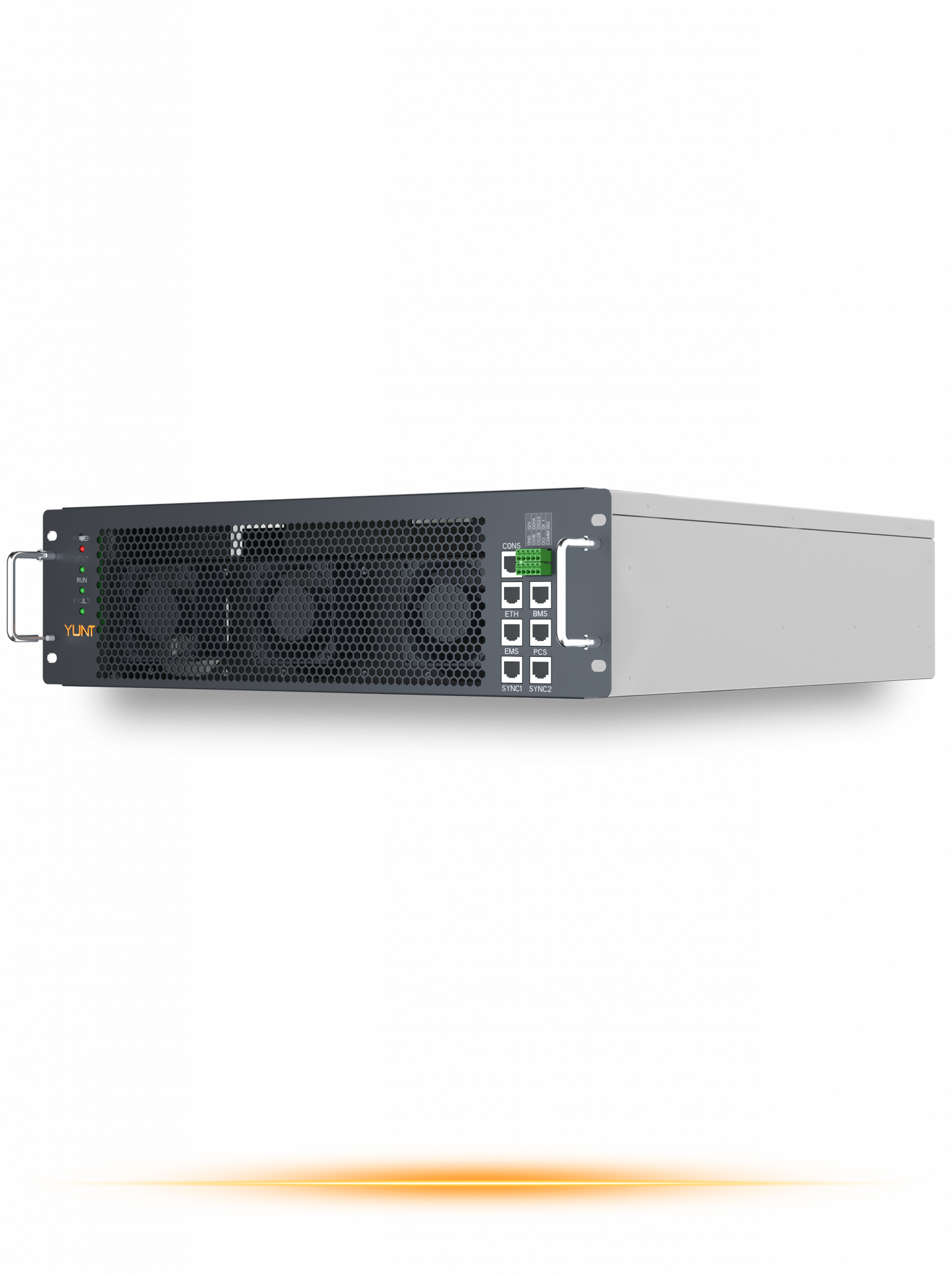
2) Transparency of algorithm: Insist vendors disclose the estimation method (coulomb counting vs. extended Kalman filter), diagnostic outputs, and how corrections are applied during real operation.
3) Field verifiability: Include commissioning steps that replicate realistic duty cycles and mandate remote telemetry access for at least two years to confirm drift stays within contract limits.
These measures protect operations and give hardware specifiers clear levers to hold vendors accountable—less theory, more measurable controls. For granular site-level integration and ongoing support, consider solutions tied to long-term system visibility like those from YUNT. Final thought: build the spec so the data tells the truth.