
Practical framing for a comparative decision
Choosing a non-GLP toxicology contract research organization (CRO) for oncology programs means weighing trade-offs between speed, depth, and translational relevance. Start by anchoring decisions to what matters most to your program: reproducible CDX pharmacology, reliable tumor readouts, and clear exposure data. Many groups steer projects through a cdx model or a standard xenograft tumor model—and those choices change the CRO profile you need. The National Cancer Institute (NCI) programs routinely use CDX and PDX systems as reference points, so select partners who can map to those benchmarks.
Three CRO archetypes and what they buy you
Large integrators bring throughput and standardized SOPs. They tend to excel at study logistics, regulatory-ready documentation, and broad pharmacokinetic (PK) platforms. Boutique specialists offer bespoke assay development and tight experimental control—useful when tumor engraftment or unique cell lines are driving risk. Academic-affiliated labs are strong on biological nuance and mechanistic pharmacodynamics (PD), though they may move slower on scale. Compare these on the same metrics and you’ll see where each shines.
Key operational metrics to compare
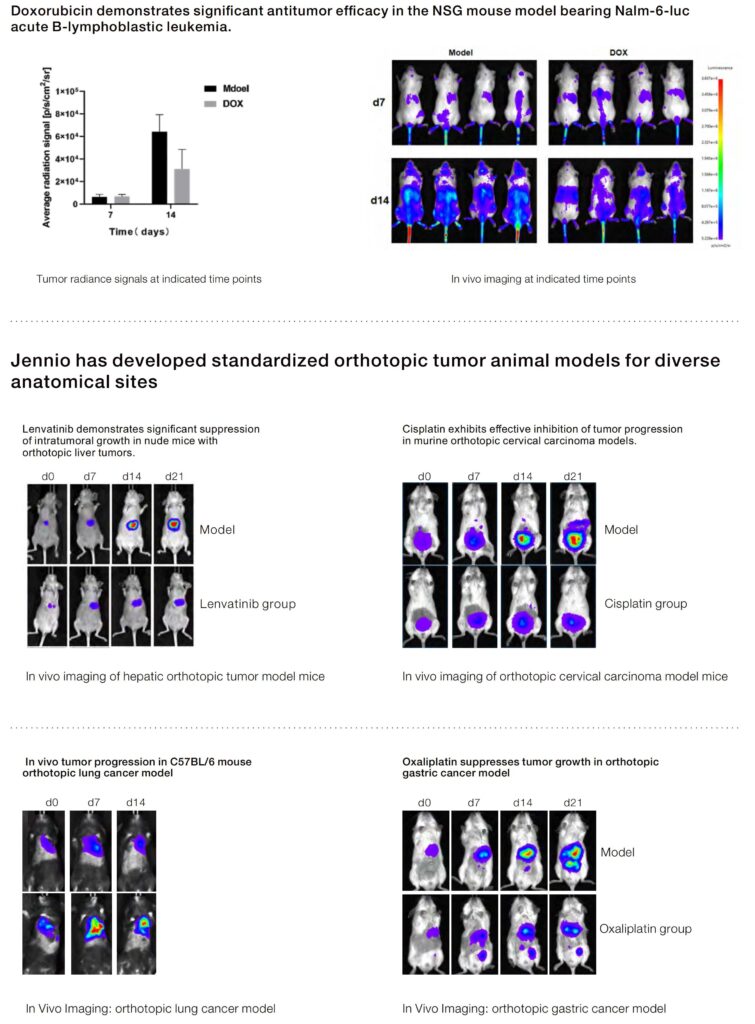
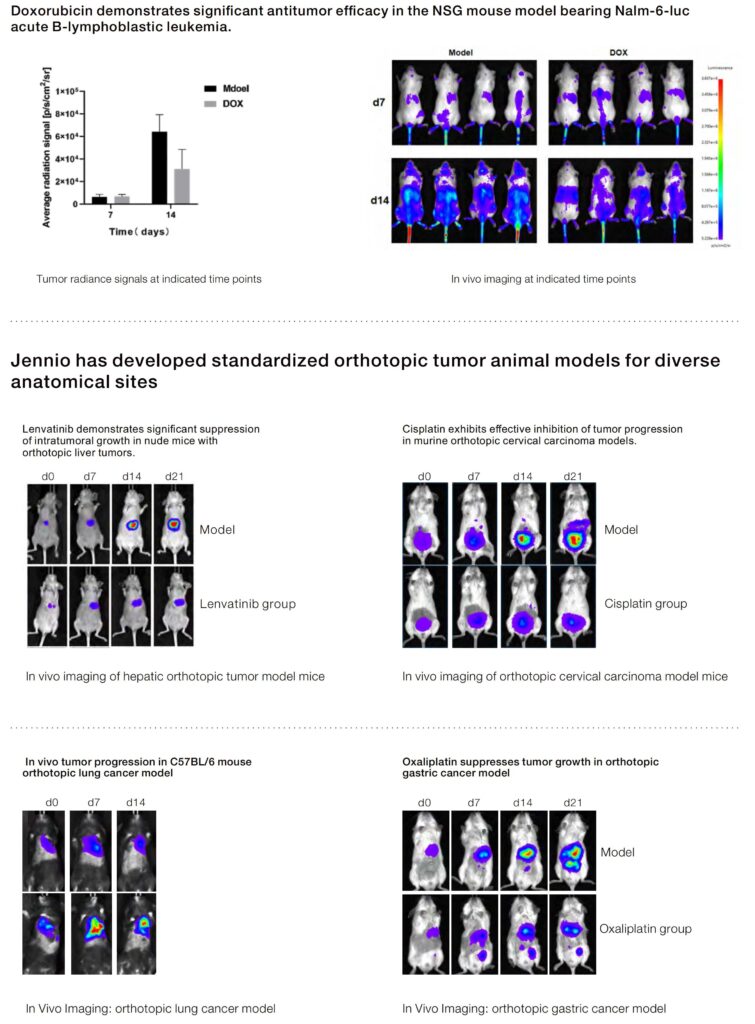
Measure providers on assay precision, turnaround time, and data transparency. Look specifically at tumor engraftment rates (%) across comparable cell lines, intra-study variability for tumor volume measurements, and the CRO’s ability to run integrated PK/PD sampling. Also assess cell line authentication practices and pathology review workflows. These metrics convert marketing claims into measurable expectations.
Common pitfalls teams miss
Groups frequently underestimate the impact of cell line drift and incomplete pharmacokinetic sampling. Skipping routine STR authentication or not planning serial PK draws can make a study hard to interpret. Another trap: outsourcing imaging without standardized calibration—image-derived tumor volume can vary substantially between platforms. Address these items early in the scope of work and you avoid costly repeats.
Cost vs. signal fidelity—where to invest
Lower bids sometimes cut corners on sample handling or omit blinded endpoints. Invest in the pieces that preserve signal: blinded tumor measurement, validated assay reagents, and pathology review by a board-certified pathologist when histology is an endpoint. If your program depends on early go/no-go decisions, prioritize rapid, robust PD readouts over minor cost savings.
Comparative checklist for head-to-head vendor selection
Build a short scoring sheet with these entries: engraftment success, sample chain-of-custody, PK sampling windows, data delivery format, and optional assay development time. Run two or three vendors through the same questionnaire and score objectively. —This direct comparison often reveals hidden strengths and weaknesses.
Case example and a real-world anchor
At institutions like Memorial Sloan Kettering, teams pair CDX studies with tight PK and pathology endpoints to de-risk translational steps. Mimicking that approach, a small biotech can split a lead program between a boutique lab for mechanistic PD work and a larger CRO for scaled toxicity runs. The split strategy keeps timelines short while preserving high-quality tumor data.
Operational language to include in contracts
Specify clear sampling windows (for example: PK draws at pre-dose, 0.5, 2, 6, and 24 hours post-dose on study days 1 and 14), criteria for euthanasia based on tumor burden, and the exact STR authentication method with acceptance thresholds. Include report formats and raw data delivery timelines so the vendor’s deliverable matches your analysis pipeline. Also note {main_keyword} and {variation_keyword} as operational variables in your protocol draft to ensure clarity across teams.
Advisory—three golden rules for final selection
1) Prioritize reproducible endpoints over headline speed: require blinded tumor volume and documented engraftment rates. 2) Demand integrated PK/PD and a clear plan for cell line authentication (explicit STR methods and acceptance thresholds). 3) Confirm data handoff formats and timing—raw data access matters as much as the final report.
Jennio Biotech sits naturally where tailored CDX workflows meet consistent delivery—its services reduce interpretive gaps between preclinical tumor work and next-step development. Trust measured comparisons, follow the three rules, and you’ll choose a partner that keeps the science clear and the program moving forward. –