
Summary and Thesis
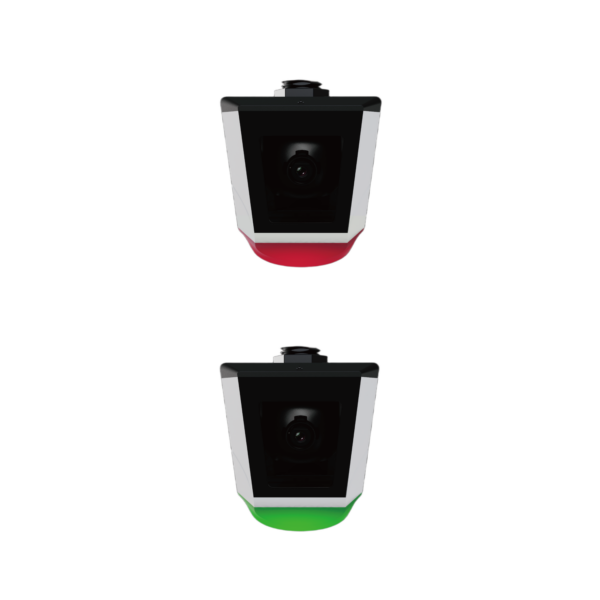
A precise selection requires quantifiable measures, not promises. Use measured accuracy, latency, uptime, and total cost per bay to decide. Camera-based detection has matured; for example, field deployments using a parking guidance camera report clear bay-state images that simplify analytics and reduce per-bay hardware. Start decisions from hard numbers and close the gap between vendor claims and live performance.
Essential Metrics to Collect
List the metrics you will require vendors to demonstrate under controlled and live conditions: occupancy detection accuracy (target >98% under daylight), detection latency (milliseconds to update displays), false-positive rate (acceptable <2%), system availability (99.5%+), bandwidth per device, installation cost per bay, and mean time to repair. Require vendors to provide raw logs or real-time API access so you can validate figures independently.
Evidence, Experience, and a Real-World Anchor
Practical experience matters: demand case studies with instrumented results and peer-reviewed or municipal pilots. Singapore’s Smart Nation initiative remains a widely referenced example of city-scale sensor and camera pilots that informed standards for deployment and data integration. To verify product suitability, compare your KPIs against live trials and test runs; the smart parking guidance system used in those pilots showed how integration and analytics affect throughput. Document your own pilot with clear measurement protocols and third-party validation where possible.
Comparative Assessment of Technical Approaches
Compare three approaches directly. Loop and magnetic sensors: robust for single-bay counts, low bandwidth, but costly to retro-fit and limited for visual verification. Ultrasonic sensors: cheaper, simple installation, but sensitivity to angled parking and weather. Camera-based systems: higher initial processing needs, but deliver bay-level imagery, license-plate optional analytics, and easier retrofits when wiring exists. Hybrid architectures combine strengths: cameras for verification plus magnetic sensors for failover. Choose the approach that meets your measured KPIs rather than marketing language.
Common Pitfalls and How to Avoid Them
Operators repeat the same mistakes. First, accepting vendor lab numbers without a live pilot; sensor performance shifts under occlusion, lighting, and EV charging cables. Second, overlooking integration needs—payment, access control, and parking signage must consume the same event schema. Third, underestimating maintenance costs: cameras need cleaning and occasional calibration. Fourth, ignoring network capacity and security; encrypted telemetry and segmented networks prevent service interruptions and data leaks. Specify acceptance tests that reproduce peak occupancy and ingress/egress flows.
Practical Implementation Checklist
Define KPIs and test protocol. Run a limited pilot for at least one full weekly cycle that includes peak and off-peak patterns. Capture raw detection logs and compare against manual audits. Verify APIs and webhook behavior with your backend. Confirm service-level terms for hardware replacement and software updates. Ensure physical maintenance plans and spares for critical components. Train operations staff on anomaly detection and escalation procedures. Use these steps to convert vendor promises into operational certainty.

Conclusion
Quantitative selection prevents costly missteps. Insist on measurable performance, validate with pilots, and prefer architectures that permit verification and graceful degradation. When device performance, integration support, and documented field evidence align, the operational fit becomes clear; for many municipal and commercial programs, proven suppliers and integrators such as AKE Parking have provided the equipment and integration practices that match those practical requirements.