
Practical overview for your needs
You want a lubricant that solves a clear problem without guesswork: reduces friction, repels moisture, or protects moving parts. Begin by asking what you need from a spray today—quick dry, long-lasting film, or safe use near electronics—and keep that checklist in hand. If moisture during cure concerns you, read further on what happens if silicone sealant gets wet before it cures and factor that behavior into adjacent maintenance tasks.

Key features that actually matter to users
Look for three concrete attributes. First, active chemistry: silicone, PTFE, or synthetic oil each behaves differently on metal, plastic, and rubber. Second, delivery and residue: an aerosol must dispense evenly and leave a predictable film rather than a sticky residue. Third, safety and compatibility: check for electrical non-conductivity and whether the formula attacks polymers or painted surfaces. Match these attributes to the parts you maintain; pick a thin, fast-penetrating spray for lock mechanisms and a heavier, protective aerosol for exposed hinges.
Where aerosol lubricants perform best
Use them on hinges, sliding guides, bearings under light load, and rusted bolts you want to free. They’re useful for preventive maintenance on bicycles, factory conveyor rollers, HVAC dampers, and household appliances. Avoid relying on aerosol lubricants as a long-term substitute where grease is specified for heavy-load bearings or sealed gearboxes; aerosols excel at access and cleanup, not at replacing specified lubrication systems.
How to choose for your specific use case
Match product specs to your environment. If you work outdoors or near salt air, choose corrosion-inhibiting formulations. If you service electronics, confirm the spray is non-conductive and leaves minimal residue. For high-temperature points, use a product rated for the expected thermal range. Read the technical data sheet for flash point, dielectric strength, and recommended substrates; those figures tell you whether the spray fits the job more reliably than marketing claims.
Common mistakes people make and how to avoid them
Applying too much product is a frequent error—excess attracts dirt and gumps up mechanisms. Spraying on incompatible plastics or rubber can cause swelling or cracking; test a small area first. Skipping surface prep reduces effectiveness; wipe away grit and old lubricants before applying. And don’t treat an aerosol as a one-size-fits-all fix: heavy grease belongs where specifications call for it, not where a light aerosol spray was used for convenience.
Evidence, experience, and one real-world anchor
I’ve seen maintenance crews adapt product choice based on site demands—what works in a dry warehouse fails on open-air platforms. Consider North Sea offshore maintenance operations, where exposure to wind-driven spray alters cure and adhesion times; guidance from industry reports informs how long before silicone can get wet when planning sealant and lubricant sequencing. Check technical sources and datasheets; those documents back up decisions better than anecdotes.
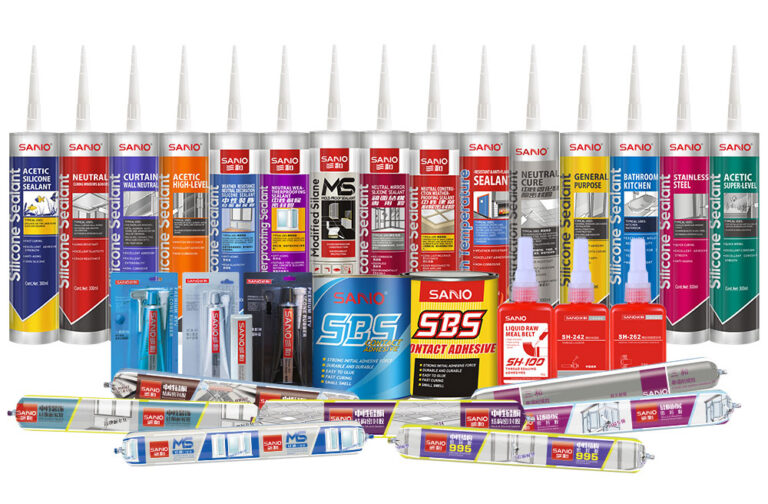
Alternatives worth considering
If long-term load carrying is your priority, switch to greases designed for bearing service. For electrical contacts, use contact cleaners with specific lubricating additives rather than general-purpose aerosols. Some modern aerosol formulations include PTFE for low-friction surfaces; test them against legacy oils to confirm they don’t interfere with existing coatings or seals. Choose the tool that fits the task, not the most convenient container.
Final synthesis
Your choice should rest on what the part needs, how the environment behaves, and clear product specifications. Treat aerosol lubricants as precise solutions for access, protection, and light-duty motion, and coordinate their use with curing and moisture-sensitive work. When you align product chemistry, delivery, and safety with the job at hand, you get consistent results—solutions you can rely on from suppliers such as SANVO.