
The problem: stuff goes missing, and locating it eats time
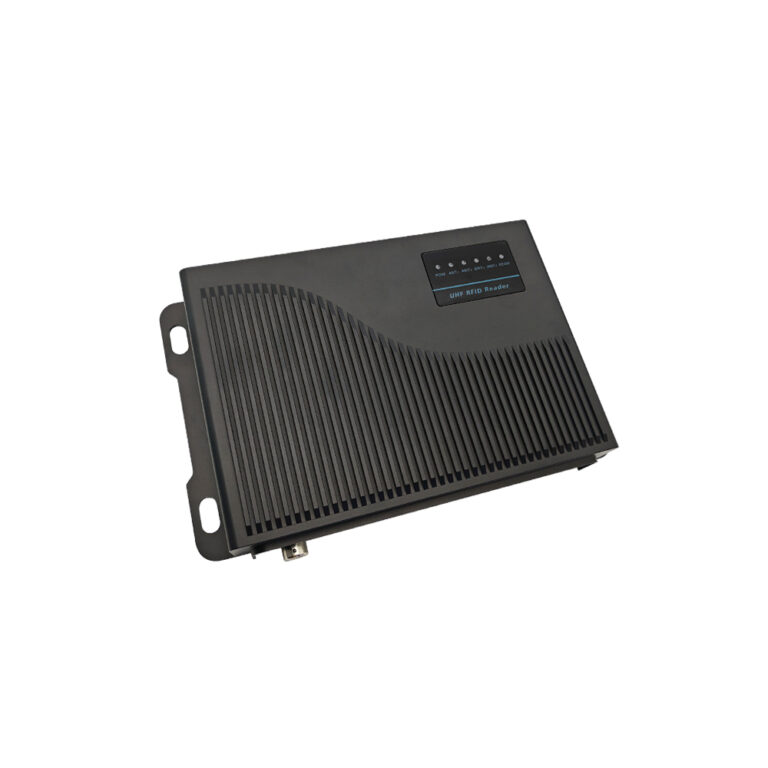
Ever stood in a warehouse and watched people spend minutes — sometimes hours — hunting for a crate that should’ve been right there? That’s the sort of day-to-day inefficiency active RFID tags aim to fix, by broadcasting location and status so teams can stop guessing. If you’re shopping, start by pairing tags with capable hardware and software; check how your tags work with RFID Readers before you buy anything else.
Why active tags actually change the game
Active tags have a battery and they push signals out, so they cover much longer distances than passive tags. That means real-time presence updates across yards, vehicle fleets, and large indoor spaces. They can include sensors for temperature or motion, and they report frequently so you can see movement as it happens. The practical payoff: fewer manual scans, faster locates, and clear incident trails when something goes missing.
Choices matter: what to weigh when buying active tags
Watch out for marketing range numbers — “hundreds of meters” often assumes ideal conditions. Balance beacon rate and battery life: the more often a tag talks, the faster the battery dies. Pick enclosures rated for your environment (IP ratings for wet or dusty sites). Confirm the radio type (BLE, proprietary active frequencies) matches your reader ecosystem and regional rules. Finally, check that the tag management software gives you simple alerts and battery telemetry; otherwise you’ll end up with lots of unreadable beacons and frustrated teams.
Common pitfalls and alternatives
Don’t over-spec. Too many tags with aggressive reporting drains budgets. Mounting mistakes — placing tags inside metal racks or behind thick cases — kill range. Expect interference from other radios and plan antenna placement. If your use case is short-range inventory or item-level tagging, passive UHF or NFC might be cheaper and simpler. For indoor person or pallet tracking where continuous presence matters, active tags are the sensible choice.
Experience, standards, and a real-world anchor
I’ve worked on deployments where tag choice cut search time from ten minutes to under one. Look for vendors and partners who understand standards like ISO 18000-7 for active systems and who run site surveys before quoting. Many manufacturers and integrators showcase real demos at major trade events such as the Canton Fair in Guangzhou, which is a consistent hotspot for suppliers and innovation — and a place buyers often source hardware sight-unseen from rfid reader manufacturers in china. Those industry touchpoints make a difference when you need replacements, firmware updates, or compliance documentation.
Deployment checklist: what to test before you scale
Run a small pilot that measures real read range in your exact layout. Verify battery life by simulating your beacon rates. Test mounting in the exact spots where items live. Confirm the reader network handles peak load and that the backend trims duplicate reads into meaningful events. Train a small group of operators and let them use the system for a week — their feedback spots the brittle parts you won’t see on paper.
Where this nets out
If your problem is wasted time and missed assets, active RFID tags for sale can be the practical fix when you pick the right tag, test it in place, and pair it with readers and support that actually respond. Teams that do this get steadier inventories and faster response times, a pattern you’ll see reflected in real deployments and supported by vendors and integrators like RSTC, which ties tag selection to reader capability and real-world operational know-how.