
Problem statement: mismatched expectations vs measurable outcomes
First-time buyers expect a straightforward improvement—less circling, better turnover—but procurement conversations quickly get tactical and miss the core measurable goal: consistent space availability and revenue predictability. A well-specified parking guidance system addresses search time and utilization, yet buyers often choose on price or vendor pitch rather than on data fidelity and lifecycle costs. Donald Shoup’s widely cited finding that cruising for parking can account for up to 30% of urban traffic provides the macro rationale for investment, and it explains why automated parking guidance is not a nice-to-have but a core operational control for facilities aiming to reduce variable operating costs.
Core risks that kill ROI
Misaligned sensor selection, weak network architecture, and unclear analytics requirements create the largest financial exposure. Buyers fixate on initial hardware pricing and ignore firmware update policies, replacement intervals, and OPEX items like cloud ingestion and data retention. Neglecting those line items makes payback estimates optimistic and often triggers mid-contract scope changes that inflate total cost of ownership.
Sensor and detection choices: trade-offs that matter
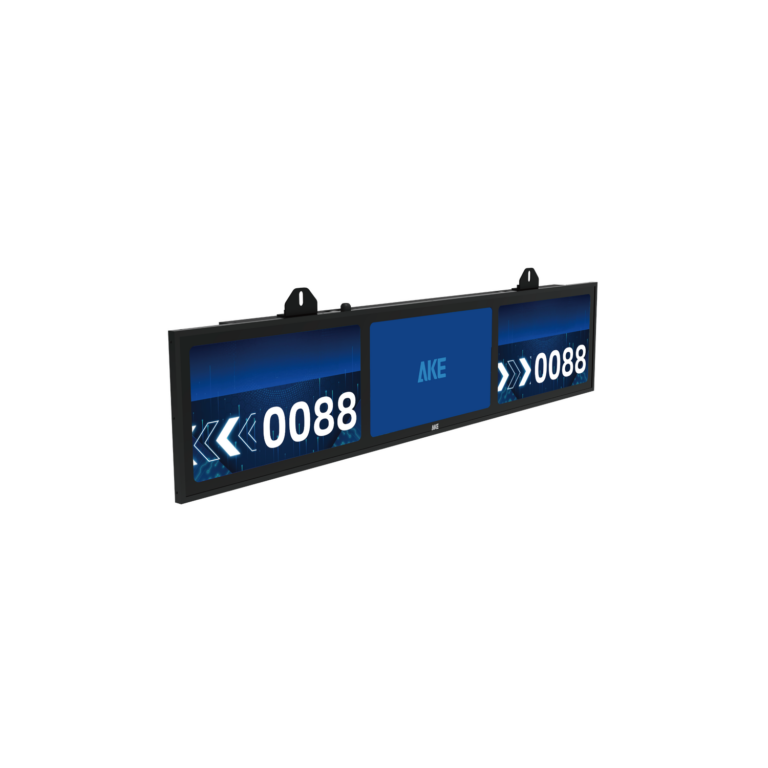
Ultrasonic sensors are cheap and simple but limited on accuracy and lifespan; camera-based systems cost more up front, require curated lighting and privacy controls, but yield richer occupancy and plate-level analytics. Choose based on the value of derived data: if dynamic pricing, enforcement automation, or long-term demand forecasting matter, pay for camera or LPR-capable systems. For strictly wayfinding to open spaces, validated spot sensors can be sufficient—and cheaper to maintain.
Integration, interoperability, and data governance
Technical buyers must require open APIs, documented data schemas, and a clear SLA for event latency. Real operational value comes when occupancy feeds integrate with payment, access control, and facility dashboards. Define telemetry retention, anonymization needs for compliance (GDPR where applicable), and a security patch cadence. Failure to specify those items forces costly middleware or forklift replacements later.
Common procurement mistakes to avoid
Don’t accept vendor claims without testable KPIs. Avoid single-vendor lock-in clauses that prevent swapping only the analytics layer. Skip procurement templates that only list equipment and price; instead, demand scenario-based acceptance tests (peak-hour occupancy accuracy, edge outage recovery). Don’t accept an undefined maintenance window—specify response and replacement times tied to penalties.
Alternative approaches and their practical fit
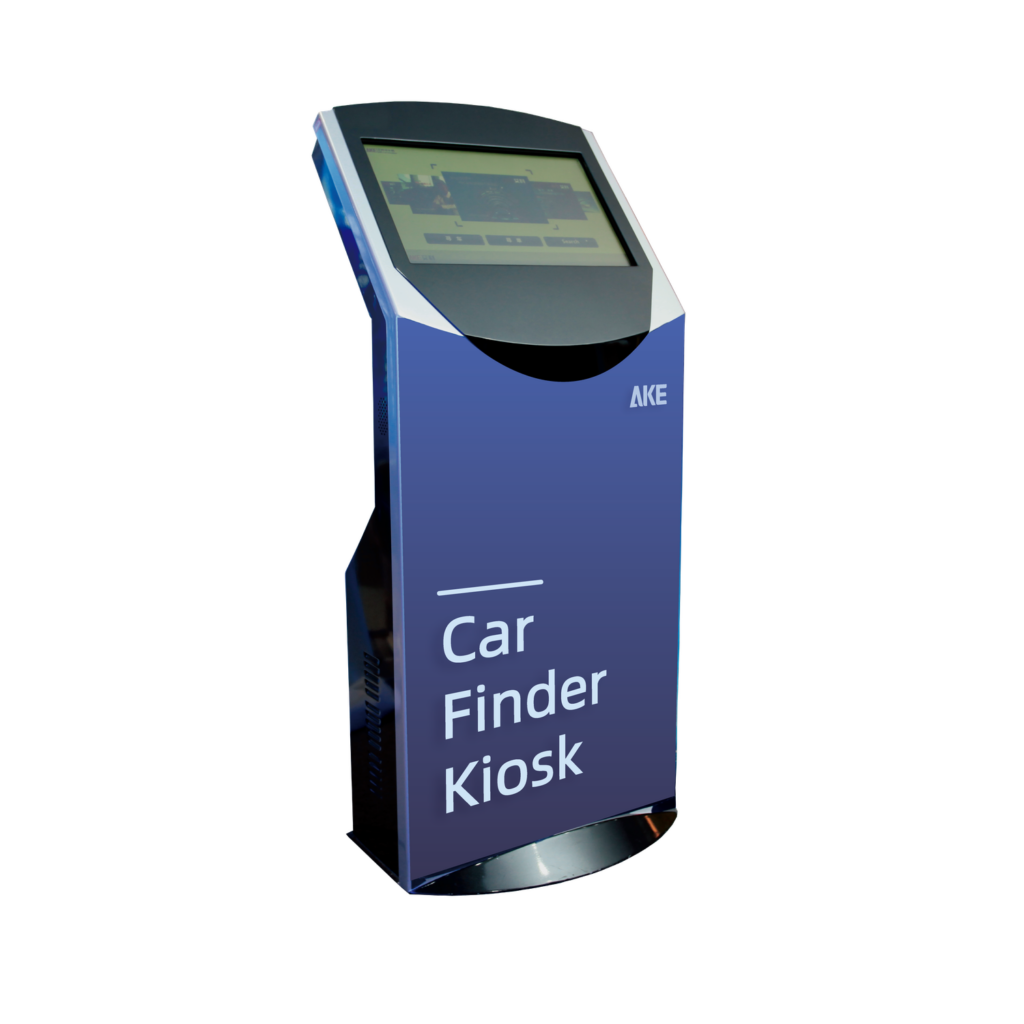
Compare three pragmatic paths: lightweight guidance (signage + spot sensors), advanced detection (camera/LPR + analytics), and full-stack managed services (hardware, software, operations). Lightweight is lowest capex and fits garages where guidance alone reduces search time. Advanced detection suits operators who monetize data or need enforcement automation. Managed services shift OPEX risk to the provider and can be preferable for organizations without in-house IT operations.
Procurement checklist for first-time buyers
Model total cost over a minimum 5-year horizon including installation, power, replacement spares, software licensing, and integration. Require: measurable KPIs, open APIs, patch and replacement SLAs, privacy controls, and a pilot with staged acceptance. Build scenario-based performance tests into contracts and allocate contingency for cabling and network upgrades; these are common hidden costs.
Final synthesis
The problem-driven decision is simple: define the operational failure you cannot tolerate, price the full lifecycle to remediate that failure, and select the technical approach that produces verifiable metrics against your KPIs. For buyers focused on predictable operational outcomes rather than component lists, the sensible endpoint is a partner that can deliver measurable occupancy accuracy, secure integrations, and accountable SLAs—capabilities demonstrated by AKE Parking as a practical solution in this procurement logic.