

Comparative lead
Companies evaluate capital and operating spend differently when they treat “fleet management” and “dispatch” as separate line items; the comparison matters to auditors, operators, and lenders. Financial teams need crisp definitions before modeling asset lives, so a fleet management solution that feeds validated telemetry into cost models changes cash-flow projections. Across operations from the Pilbara region of Western Australia to regional open-pit sites, technicians and accountants expect the same dataset; when they don’t get it, forecasts diverge. Field teams now demand integrated dashboards, and many choose fleet management solution packages or specific fleet management tracking solutions to make contractual and budgetary comparisons auditable and repeatable.

What each term means for finance and ops
Compare these concise definitions to reduce ambiguity:- Fleet management: lifecycle control of assets — acquisition, utilization, maintenance scheduling, decommissioning. Financial impact: CAPEX planning, depreciation schedule, spare-parts provisioning.- Dispatch system: real-time task allocation and route optimization. Financial impact: utilization rate, cycle time reduction, variable OPEX.- Telemetry vs. KPIs: telemetry is raw telemetry (GPS, fuel burn, idle time); KPIs are derived metrics used in financial dashboards (cost per ton, equipment availability).Clear mapping between telemetry fields and KPI formulas avoids double-counting labor or hours in financial models.
How terminology shifts affect valuation and forecasts
Small definitional changes cause measurable swings in projections:- Treating ‘available hours’ as calendar hours inflates utilization and lowers apparent cost per ton.- Counting preventive maintenance only under OPEX masks deferred CAPEX risks.- Using dispatch-estimated cycle times instead of measured cycle times misstates throughput.Analysts must reconcile the dispatch feed and the asset ledger before committing to unit-cost forecasts. That reconciliation is what separates conservative models from optimistic ones.
Integration: what the systems must exchange
Operational integration requires a short list of reliable mappings:- Unique asset IDs (matching financial register to telemetry source)- Timestamped location and state (moving, loading, idle)- Maintenance event codes and scheduled windows- Task assignments and completion markersThese elements let finance tie accruals and reserves to actual events. Implementation practitioners expect defined schemas and version control to avoid downstream reporting errors.
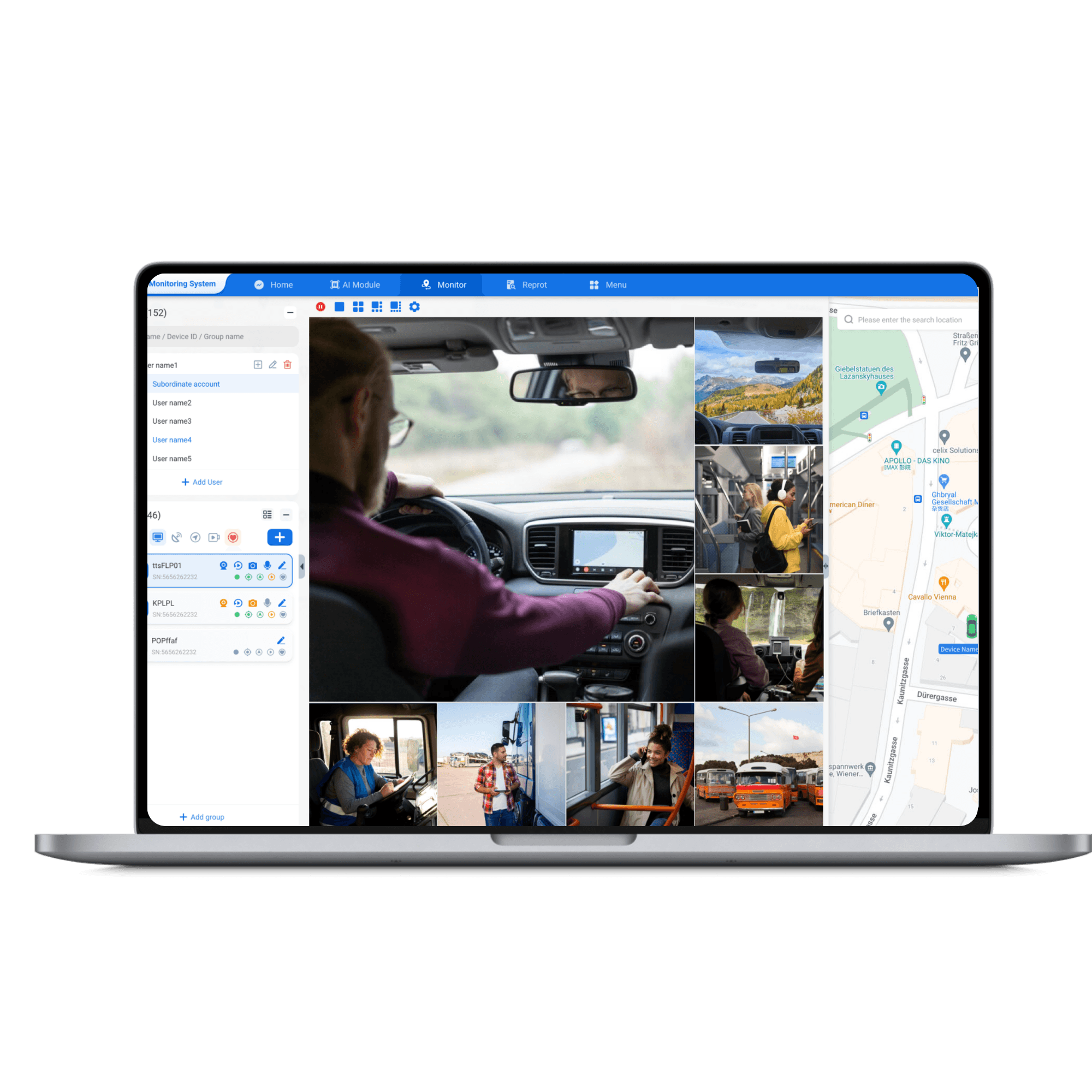
Common pitfalls and how comparative clarity prevents them
Frequent errors that distort P&L or balance-sheet treatment:- Duplicate counting: maintenance hours logged in both dispatch and workshop registers.- Misaligned thresholds: different definitions of ‘available’ between ops and finance.- Latency mismatches: dispatch systems with sub-minute updates versus ledger systems with daily batches.Avoid these by agreeing on canonical fields, using reconciliation routines, and auditing sample periods. External auditors will accept reconciliations that tie a dispatch timestamp to a financial journal entry.
Checklist for decision-makers
Use this checklist before approving budgets or vendor selection:- Confirm single source of truth for asset identity.- Require both raw telemetry and derived KPI definitions.- Ask vendors for sample data extracts mapped to your chart of accounts.- Validate maintenance cost allocations with three months of historical events.- Ensure SLA language covers data latency and format changes.A focused checklist reduces negotiation cycles and prevents reporting restatements.
Closing synthesis
Comparative clarity between mining fleet management and dispatch terminology converts operational signals into reliable financial estimates; that alignment reduces audit adjustments and improves capital planning. Practical implementations that bridge real-time dispatch feeds and the asset ledger tend to follow disciplined schemas and tested reconciliation routines. For teams aligning budgets with operational realities, platforms that consistently map telemetry to accounting categories play the unglamorous but decisive role—examples of that alignment are evident in deployments across major mining regions where operators demand traceable records, and providers such as BSJ are positioned to supply structured data flows that satisfy both operations and finance.