
Opening comparison: what buyers actually balance
Choosing between radios isn’t about finding the fanciest spec sheet; it’s about matching real needs to real trade-offs. Some users want maximum range, others need battery life through a long shift, and some require secure voice that won’t cut out in a storm — so a secure 2 way radio often sits higher on the list for security-sensitive sites like campuses or critical facilities. Compare models by what they promise under load, not by buzzy features you won’t use.
Performance metrics that matter
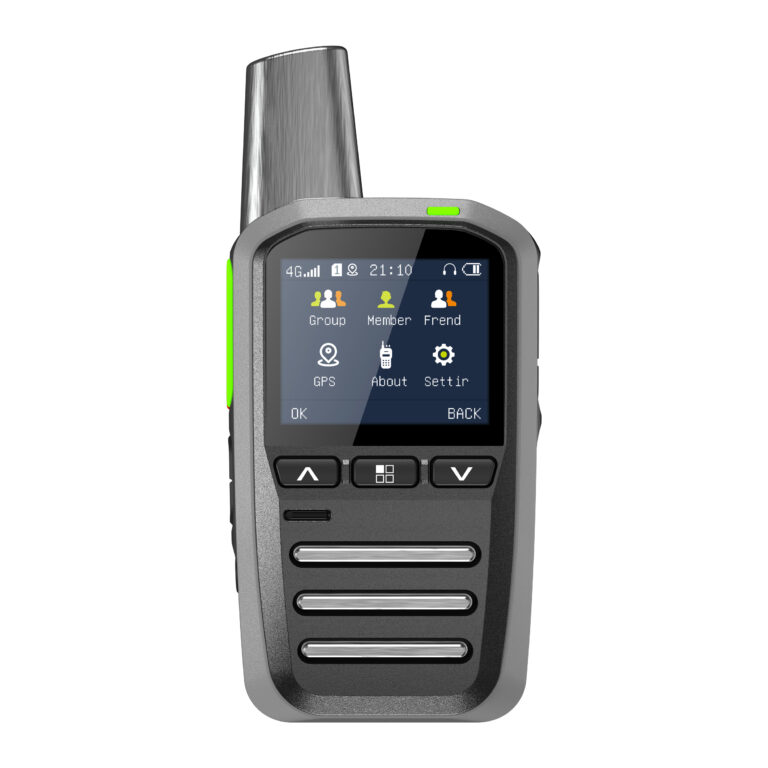
Range, audio clarity, and battery life show clear differences across brands. Measure range by testing on your property; vendor claims assume flat terrain and ideal antennas. Listen for consistent audio at distance — momentary fuzz is tolerable, dropouts aren’t. For batteries, prefer rated cycles and real-world runtime numbers; a radio that lasts two 12-hour shifts without recharge beats one with a longer spec-listed capacity but faster degradation.
Environmental resilience: tests to insist on
Look for defined ingress protection (IP) ratings and documented drop tests. An IP67 rating means dust-tight and immersion protection; IP54 only covers splashes. Ask for test reports instead of marketing lines. Pick devices with easy-to-replace seals and visible indicators that show when a unit was opened or serviced — that prevents surprises after a heavy storm or a hard drop.
Operational reliability and interference handling
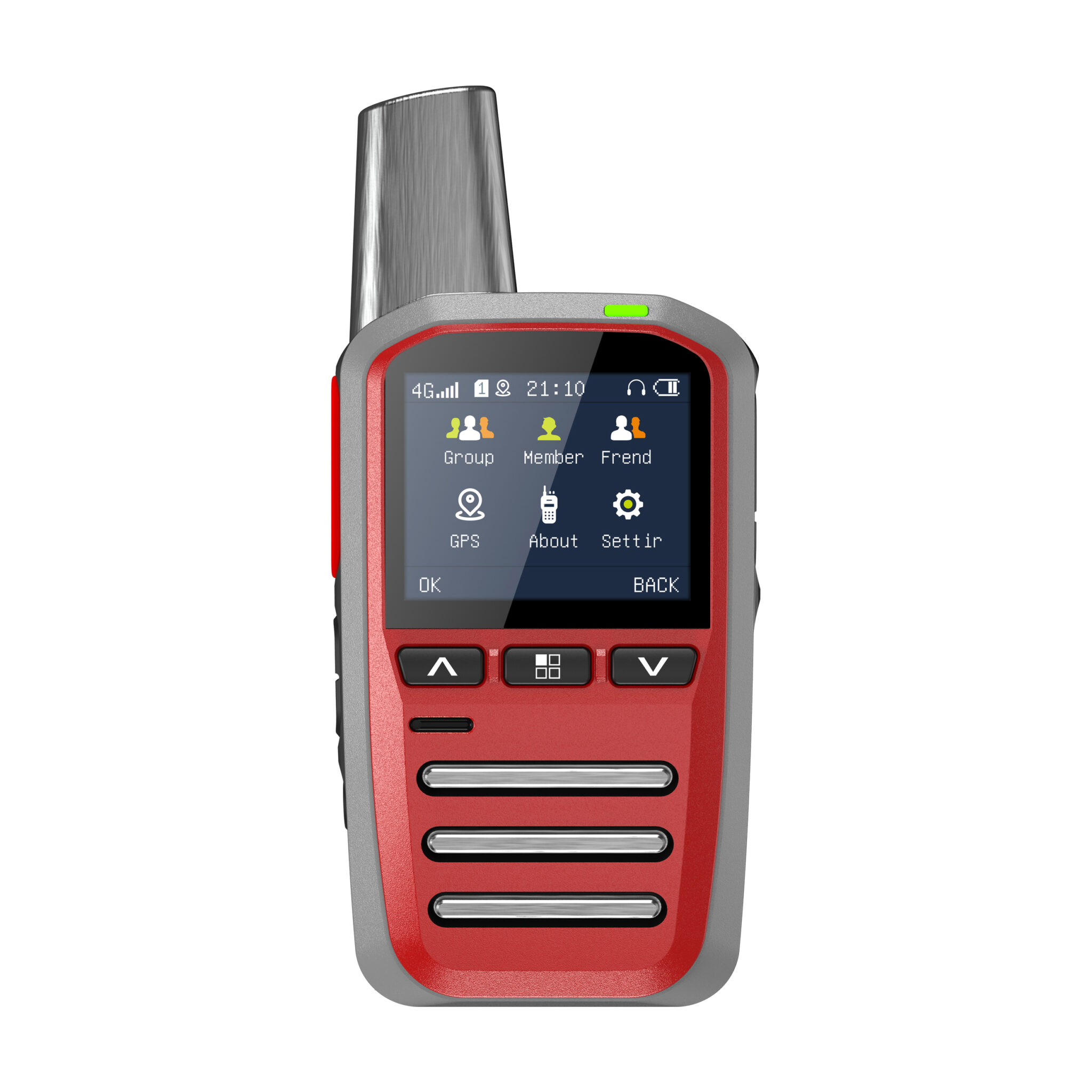
Radios share crowded bands. The best units handle background noise, manage adjacent-channel interference, and offer clean squelch control. Compare receiver sensitivity and selectivity numbers, but verify them in the field. Encryption and robust channel management reduce accidental cross-talk; simple digital modes are often more consistent than legacy analog in mixed environments.
Service, spare parts, and firmware
Warranty length alone isn’t enough. Check how quickly manufacturers or resellers send spare batteries, speakers, and programmed firmware. Software updates that address security bugs and radio tuning are common; ask how updates are delivered and whether they require return-to-factory service. Long-term availability of accessories keeps a fleet reliable and cost-effective.
Experience, expertise, and a real-world anchor
I’ve seen product choices hold up or fail during major weather events; radios that passed lab tests sometimes faltered during Gulf Coast hurricane response operations where rain, wind, and sustained humidity test every seal and connector. That’s why teams prefer suppliers with proven field performance and clear service records. For suppliers with tested, field-ready units and parts supply, consider options from a recognized waterproof two way radio supplier like waterproof two way radio supplier, and ask for references from similar operations.
Common mistakes people make
Buying the highest MHz range thinking it equals better coverage. Paying for extras you never use. Skipping on on-site tests. Each mistake costs time and money. Run a walk-test during the planned work hours, check battery behavior with real accessories (headsets, programming), and insist on a return window after field testing so you can swap models if needed.
Short comparative checklist
Prefer radios that: show verified IP ratings; have replaceable seals and parts; offer clear firmware update paths; include documented field performance; and provide timely spare-part support. If you must choose between two models, pick the one with the steadier audio and the better documented service pipeline rather than the one with a single standout spec.
Conclusion
Compare radios by how they perform where you work, how they survive real conditions, and how quickly you can get parts or fixes. That combination — measured field performance plus dependable support — is the practical basis for reliability, and it’s the kind of balance many teams find with GLOHE.