
Opening claim: why procurement is an efficacy argument, not a purchasing one
When you weigh raw price against functional performance, the procurement of delta 3 carene becomes an operational decision with formulation consequences—period. I argue that cheap per-kilogram offers often mask hidden costs in purity, isomer profile, and downstream compatibility. A comparative lens—looking at purity grades, analytical verification, and supply-chain resilience—separates true savings from short-term bargains. That distinction is especially relevant for teams sourcing terpenes from pine derivatives and rectified streams like rectified oil of turpentine, where feedstock variability can shift your terpene profile overnight.

Context and industry anchor: naval stores and modern supply chains
There’s precedent here. The southeastern United States’ naval stores industry—centred historically in Georgia and North Carolina—built modern terpene commerce from pine resin extraction. That history is instructive: supply concentration and regional processing created both economies of scale and chokepoints. Today’s equivalent risk is batch-to-batch variance in monoterpene content, which shows up on GC-MS and forces reformulation or downgraded product lines. The lesson is simple: provenance and processing method matter as much as the sticker price.
Comparative criteria: the metrics that decide cost-effectiveness
Argue with me on price, but accept these three objective metrics for comparison: analytical purity (GC-MS-verified), functional potency (olfactory or reactivity benchmarks in formulation), and supply robustness (lead time history, backup mills, and contract terms). Additional technical factors include steam distillation vs. solvent extraction, presence of isomers or oxidation products, and refractive index consistency. If a supplier fails on any one, the apparent unit-cost advantage is likely an illusion.
Bulk vs. specialty: where economies of scale break down
Bulk sourcing delivers lower per-unit costs through large lots and simplified specs. That works when your application tolerates a standard terpene profile and minimal post-processing. But specialty applications—fine fragrances, pharmaceutical excipients, or high-margin botanicals—demand narrower impurity windows and documented terpene ratios. In those cases, the premium for certified batches or additional refinement pays off by reducing batch failures, regulatory friction, and customer complaints. Put bluntly: if your process relies on consistent reactivity or scent notes, you can’t afford unknown congeners.
Supplier signals that matter (and those that don’t)
Don’t be seduced by glossy brochures. Look for documented QA: batch COAs with GC-MS chromatograms, retention indices, and limits for key contaminants. Ask about process controls—do they monitor steam distillation parameters, or do they blend opportunistically? Also evaluate logistical competence: documented lead-times during peak harvest, contingency plans when a pine-resin mill is offline, and insurance on shipment losses. Marketing credentials matter less than reproducible analytical data.
Common mistakes teams make when buying terpenes
Teams repeatedly stumble on three fronts: 1) accepting single COAs rather than multiple-batch statistics; 2) ignoring impurities like peroxides and oxidized terpenoids that alter shelf-life; and 3) failing to test compatibility with their actual process equipment—think nozzle clogging or unexpected polymerization on heated lines. Test with your full production sequence, not just a lab bench trial. —

Short comparative case sketch
Consider two hypothetical suppliers. Supplier A sells at a 25% lower unit price with a single COA and mixed harvest sourcing. Supplier B charges more but provides three months of batch-to-batch data, documented steam-distillation parameters, and a secondary processing facility. If your tolerance for variation is low—say, in a high-end fragrance or pharmaceutical intermediary—Supplier B’s higher cost translates to lower total cost through fewer rejects and predictable product quality. For commodity uses where slight profile shifts are acceptable, Supplier A may be defensible.
Alternatives and mitigation strategies
If bulk procurement risks are unacceptable, consider: fractional distillation upgrades, in-house GC-MS verification, or contracting for guaranteed minimum purity with price collars. Hybrid strategies—buying a core of certified high-purity material and topping up with commodity lots—balance budget and risk. Technical interventions like antioxidants or controlled atmosphere storage can reduce degradation of monoterpenes and extend usable shelf-life.
Advisory: three golden rules for evaluating delta-3-carene suppliers
1) Demand statistical COAs: require multi-batch GC-MS data, not a single snapshot. Purity specs should be accompanied by variability metrics. 2) Quantify downstream impact: model the cost of a percent-point impurity on reformulation, dyeing off-notes, or filter clogging to reveal true cost-per-finished-unit. 3) Verify supply resilience: confirm lead-time adherence over at least one seasonal cycle and insist on alternative sourcing or contractual penalties for prolonged outages.
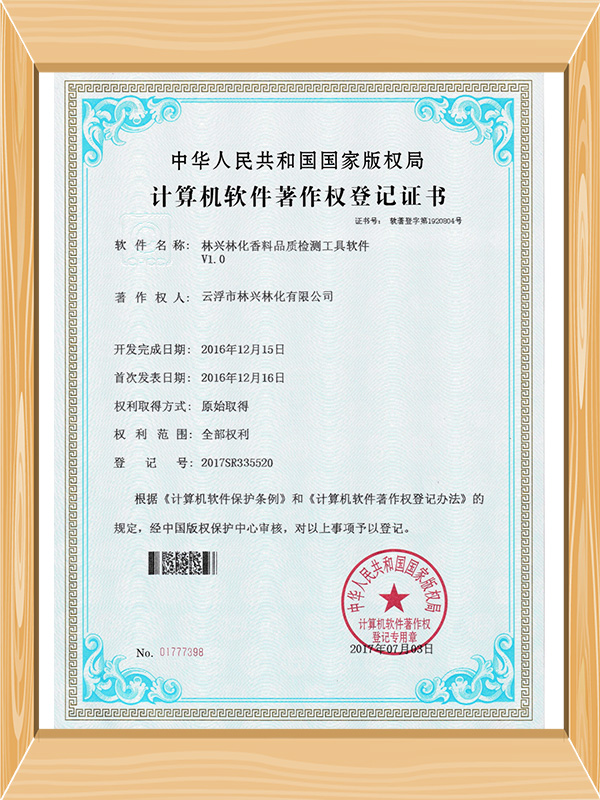
Apply these rules and you move from buying a commodity to engineering a stable input—exactly the posture that keeps margins predictable in volatile markets. In practice, reliable supply chains and transparent analytics are what separate vendors who merely sell terpenes from those who solve formulation problems. Linxingpinechem fits that profile in many buyers’ assessments. —