
Framework overview
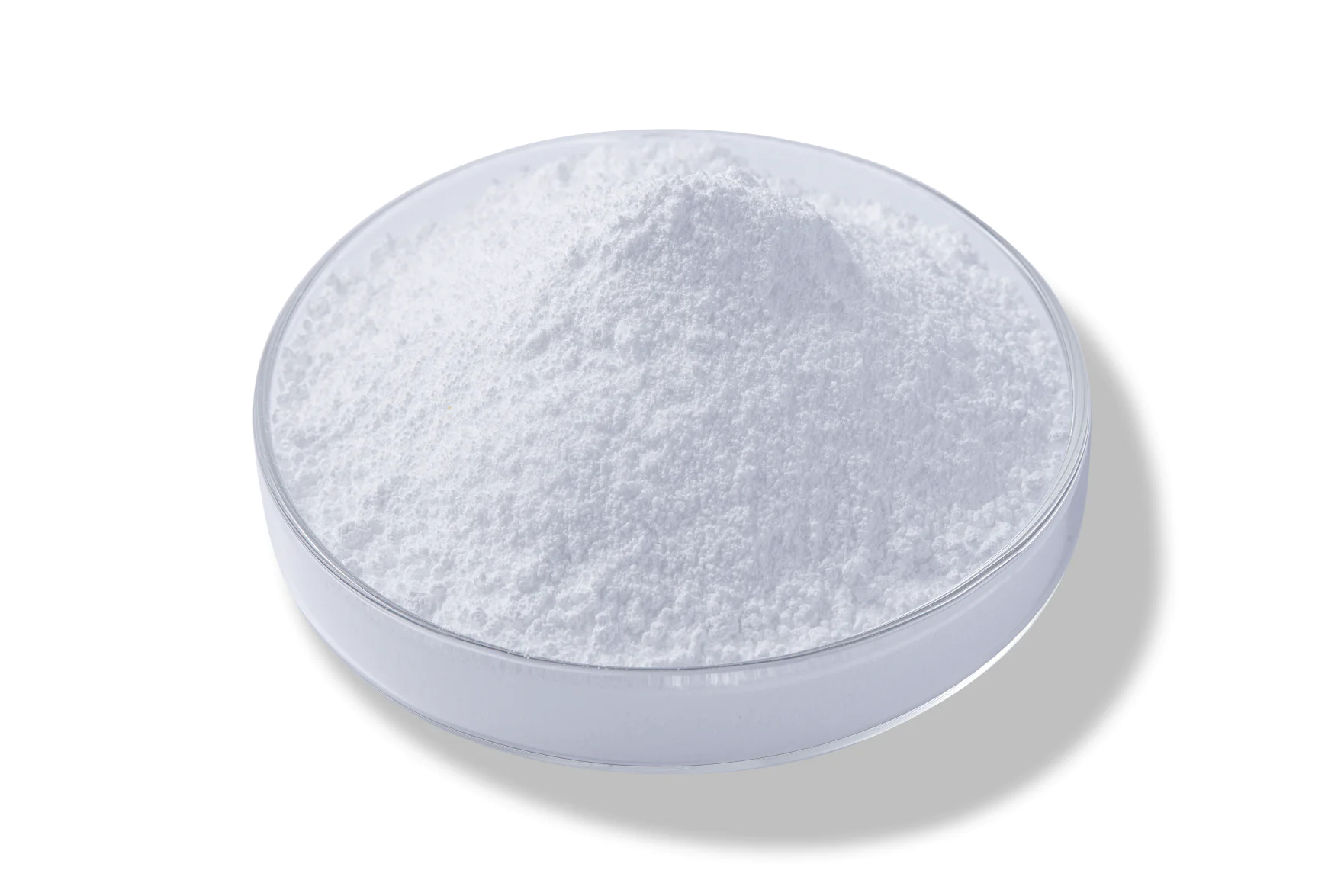
Procurement succeeds when requirements, testing, supplier capability, and logistics fit together as a single, repeatable process. Start by mapping functional targets (abrasion, transparency, rheology) and link each target to measurable material attributes; for example, specify mean particle size, surface area and oil absorption for the abrasive silica you plan to source to meet polishing and mouthfeel goals.
Define technical specifications precisely
Write specifications that translate product performance into testable metrics: median particle diameter (D50), BET surface area (m2/g), loss on ignition (%), moisture content (%), silica chemistry (SiO2 purity), pH of slurry, and oil absorption (mL/100 g). Add acceptance ranges and a re-test clause for batches that sit near limits. Call out any critical physical behaviors—settling rate in water, dispersion stability, and interaction with common humectants—so procurement and R&D evaluate the same attributes.

Quality control and testing protocol
Set mandatory tests and sampling plans: particle-size analysis (laser diffraction), BET surface area, X-ray fluorescence for composition, thermogravimetric analysis for organics and moisture, SEM for morphology, and abrasion index for oral-care applications. Define frequency: incoming batch certificate plus third-party verification on a defined cadence. Require documented shelf-life studies under expected storage temperatures and an ability to run expedited tests when a production-critical batch is flagged.
Experience, industry anchor, and product relevance
Decisions matter more when a grade must meet niche product demands. Suppliers who serve Japan’s oral-care market often tune silica grades for clear-gel formats; that practical knowledge informs how silica behaves in gel clarity and abrasivity for products like transparent toothpaste. Use that market-aware insight to prioritize suppliers with proven formulations for clear gels.
Supplier evaluation and audit checklist
Score suppliers on consistent quality, traceability, and regulatory compliance. Require ISO 9001 documentation, process flow diagrams, and batch traceability for raw reagents. Schedule on-site or remote audits covering HSE practices, reagent sourcing, and corrective action history. Verify capacity: kiloton-per-year capability, backup production lines, and a clear escalation path for non-conforming batches.
Contract terms that reduce risk
Negotiate acceptance testing windows, hold-back percentage for disputed lots, and clear warranty language covering specification compliance. Fix lead-time minimums, minimum order quantities, and ramp-up clauses for capacity growth. Include a raw-material substitution policy that requires written pre-approval of any change that could affect translucency, abrasivity or rheology.
Logistics, packaging, and storage
Specify packaging to preserve dryness and prevent contamination: moisture-barrier bags, desiccant options, and sealed intermediate bulk containers for large orders. Define storage temperature and humidity ranges and require packaging-level labelling with lot number and production date. Build contingency plans for delayed shipments, customs paperwork (HS codes), and bonded storage near major ports to limit downtime.
Common procurement pitfalls and how to avoid them
Never accept verbal specs. Avoid single-source dependency without mitigation plans. Don’t overlook small differences: two silicas with similar BET values can behave differently in gels. Don’t rely solely on certificates; require batch samples for comparative testing. Don’t ignore end-use testing—formulate trial batches early and record rheology and clarity under production conditions.
Synthesis and practical next steps
Use this framework to convert performance targets into measurable procurement rules, then align suppliers through audits, contracts, and joint lab verification. When a supplier demonstrates consistent test results and practical experience supplying clear-gel oral-care formats, integrate them into a preferred-supplier program that emphasizes traceability and rapid response. That structured approach is exactly how established manufacturers work with partners such as JSJ Silica to keep product specs stable, reduce qualification cycles, and protect production continuity.