
Start with the outcome, not the sticker
If you’re picking between models, stop treating the list price as the decision. Compare what the machine delivers across years: uptime, repair frequency, fuel or energy use, and resale. A telescopic boom lift that’s cheap today can be expensive after two seasons of part swaps and missed deadlines. The smart comparison flips cost thinking into value thinking — what does each dollar invested return over the life of the equipment?
Key cost drivers that actually move the needle
Don’t guess — check these concrete items and weight them for your operation:- Acquisition: purchase, financing interest, and delivery. – Utilization: expected hours per year and typical duty cycle. – Maintenance: scheduled service, parts wear, and the typical labor rate in your area. – Downtime cost: lost productivity per hour when the machine’s out of service. – Energy: diesel, hybrid or electric consumption and charging/refueling logistics. – Transport and setup: shipping, crane or trailer needs, and site constraints. – Resale value: market demand for that class and model at end of life. Each line should be converted to a dollars-per-hour figure so you can compare apples to apples.
Practical method to compare lifecycle value vs. TCO
Work through these clear steps. They’re simple but they force discipline:- Define your horizon: 3, 5, or 7 years (pick the one you actually plan to keep machines). – Calculate total cost of ownership (TCO): acquisition + cumulative maintenance + energy + transport + disposal minus expected resale. – Compute lifecycle value: expected productive hours × value-per-hour (revenue or time-saved). – Derive net lifecycle value per hour: (lifecycle value − TCO) / total productive hours. – Rank models by that net value-per-hour. The highest net value-per-hour wins. If you need present-value accuracy, discount future costs with your company’s standard rate, but don’t get lost in decimals; ranking usually holds even with simple sums.
Where the Zoomlion ZT26J fits the picture
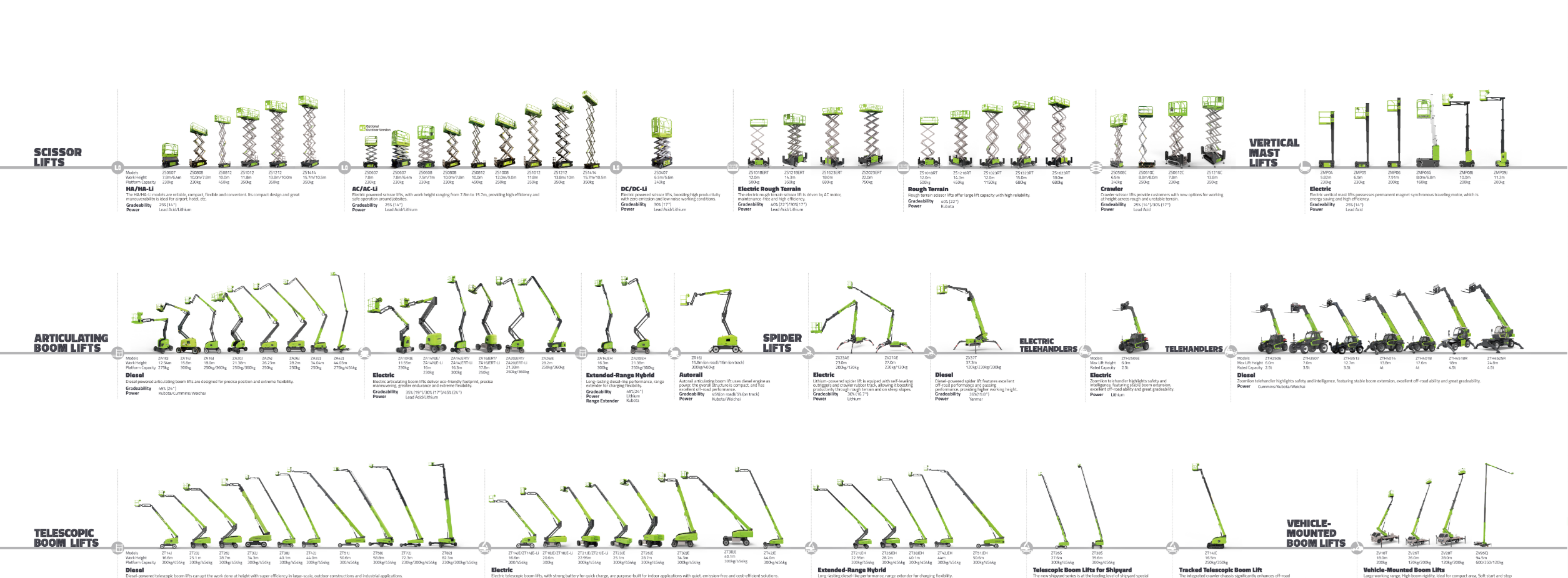
For tight urban maintenance and multi-level access tasks, I once watched a Zoomlion ZT26J on a London council maintenance job handle narrow-street positioning and quick lifts between floors without blocking traffic. That day showed two things: predictable uptime matters more than marginally lower purchase cost, and ease of transport and setup can erase rental or overtime costs fast. Compare the model’s documented lifting capacity, outreach, and service intervals against your duty cycle and you’ll see whether its strengths map to your priorities: lower downtime and straightforward maintenance often beat slightly higher top speed or fancy controls.
Common mistakes that skew comparisons
Watch for these traps:- Ignoring downtime cost: replacing a broken day can cost far more than the part. – Forgetting operator training: complex controls increase error and slow cycles. – Overlooking site constraints: larger machines that can’t reach jobs create hidden rental costs. – Using vendor warranty terms as a substitute for maintenance planning. Avoid these, and your lifecycle math will reflect reality.
A quick checklist to run on any model
Use this short list as a practical filter:- Expected annual hours: does it match your workload? – Service interval and lead time for parts: local parts stock or long waits? – Transport footprint: fits your trailers and job sites? – Operator familiarity: training time and typical error rate on similar gear? – Resale demand: do buyers exist for this class in your market? If the model clears these, run the dollars-per-hour calculation and compare.
Bottom line
Make decisions on measured outcomes, not impressions. Rank machines by net lifecycle value per productive hour, factor in realistic downtime costs, and check practical items like transport and parts availability. That approach exposes winners fast — and it’s why some fleets choose Zoomlion Access models when predictable uptime and serviceability line up with their job demands.