
The buyer’s path, quietly changing
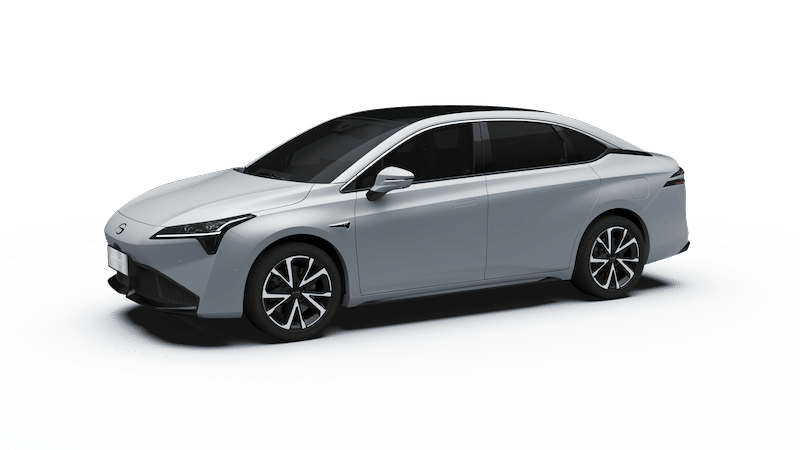
I remember the slow certainty that settles when someone says they want an Aion — first a question, then many. The questions evolve like monsoon clouds, from curiosity to demand. Start by telling the dealer what you value: daily range, fast charging, ownership ease. If you check the manufacturer’s pages while you talk, the context helps — I often open GAC online to cross-check specs while the conversation breathes. I’ve seen this script play out at global shows such as Auto Shanghai, where what dealers promise and what the brand demonstrates meet on the same floor.
Begin with the basics: provenance and model clarity
Ask these plainly; vague answers hide future trouble.
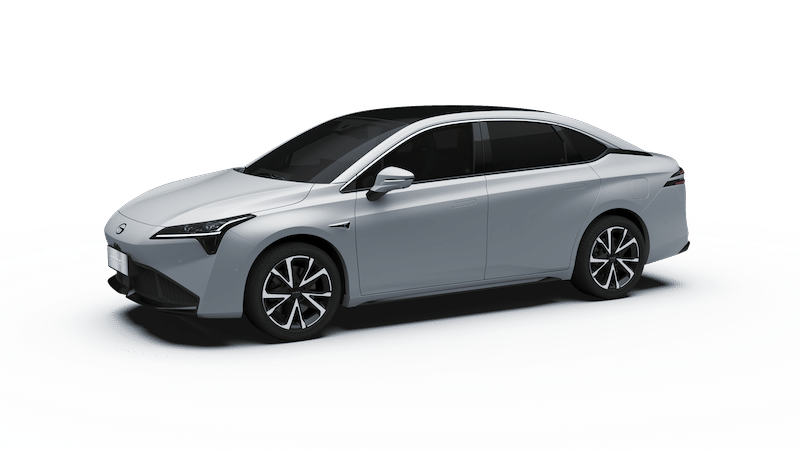
- Which exact model and trim is this? (year, battery option, software package)
- Is the car factory-new, dealer demo, or certified pre-owned?
- Who provides warranty support locally and what does it cover?
Dealers must give straightforward facts. If they hedge, press for written confirmation.
Battery and range: question the real numbers
Range claims are optimistic on paper. Test the story with facts.
- What is the battery’s rated capacity and the expected real-world range in city conditions?
- Is there a battery state-of-health (SoH) report for used cars?
- How does the car manage thermal control under heavy use?
Insist on a recent battery health readout for pre-owned units and ask how range varies under common loads like AC and high-speed driving.
Charging: connectors, speeds, and local fit
Charging is not only how fast the car drinks electrons; it’s whether it fits your life.
- Which connector standards and charging protocols does it accept in your area?
- What are the practical DC and AC charging speeds you can expect from local infrastructure?
- Will home charging installation require any special permissions or hardware?
Get concrete numbers, and if the dealer promises home equipment or rebates, have it on paper.
Software, updates, and dealer services
Electric cars are half hardware and half software. Treat software like a component.
- How are over-the-air updates handled? Are they free and transferable?
- What local service capabilities exist for software diagnostics and calibration?
- Does the dealer stock key replacement parts and software tools, or must they ship from elsewhere?
A trustworthy dealer explains update cadence and local service limits without hesitation.
Test drive and sensory checks
Drive as if you already live with the car. Listen, feel, test.
- Note acceleration smoothness, regenerative braking behavior, and cabin noise at city and highway speeds.
- Check infotainment responsiveness, language options, and visibility for daily routes.
- Verify seat comfort for longer trips and climate control performance in typical weather.
Short drives reveal many mismatches between brochure and reality. Ask for a longer route if possible.
Costs, warranty specifics, and resale clarity
Numbers matter. Read every line.
- What is the total cost of ownership: service plans, battery warranty terms, and roadside assistance?
- Does the battery warranty transfer to a new owner, and are service records kept digitally?
- What resale support or certified pre-owned program does the dealer offer?
If the dealer cannot produce clear warranty transfer rules, step back and ask for written policy from the manufacturer.
Common pitfalls dealers try to gloss over
Watch for patterns that later become hassles.
- Overstated range figures without real-world testing evidence.
- Ambiguous warranty language around battery degradation thresholds.
- Hidden fees for software features or telematics activation after purchase.
If a promise sounds like a convenience now but is unenforceable later, ask for it in the sales contract.
How the conversation should end
Your questions should map your confidence. A good dealer answers directly, gives recent diagnostics, explains local charging compatibility, and puts warranty items in writing. This is the arc I’ve followed with many buyers: curiosity, sharpened questions, and then a purchase made with fewer surprises. For many buyers, that careful arc lines up with what they find on the manufacturer pages and dealer networks of GAC, where specifications and support begin to match the dealer’s promises and the owner’s daily needs.