
Why data-first choices beat gut calls
High-volume energy desks need hard numbers, lah — not just hunches. I’ve seen teams in Singapore and London switch from manual hedging to model-led workflows after measuring execution costs; the difference was clear during the WTI free-fall on 20 April 2020 when contract behaviour broke usual patterns. That’s why a robust cfd energy index feed matters: tick-level liquidity, real-time spreads and continuous depth let you quantify tail risk instead of guessing.
Which metrics actually move P&L
Focus on metrics that translate directly to execution and capital efficiency. Track these in your dashboards and trading algos:
– Effective spread and realised spread: show true cost versus displayed quotes.
– Slippage per lot by time-of-day: isolates market impact during Asian vs US sessions.
– Latency to best bid/offer and order fill ratio: critical for aggressive strategies using leverage.
Use tick data and order book snapshots to compute these. When markets run weird — like oil volatility spikes — these metrics tell you whether to widen thresholds or pull back from size.
Platform traits that reduce surprises
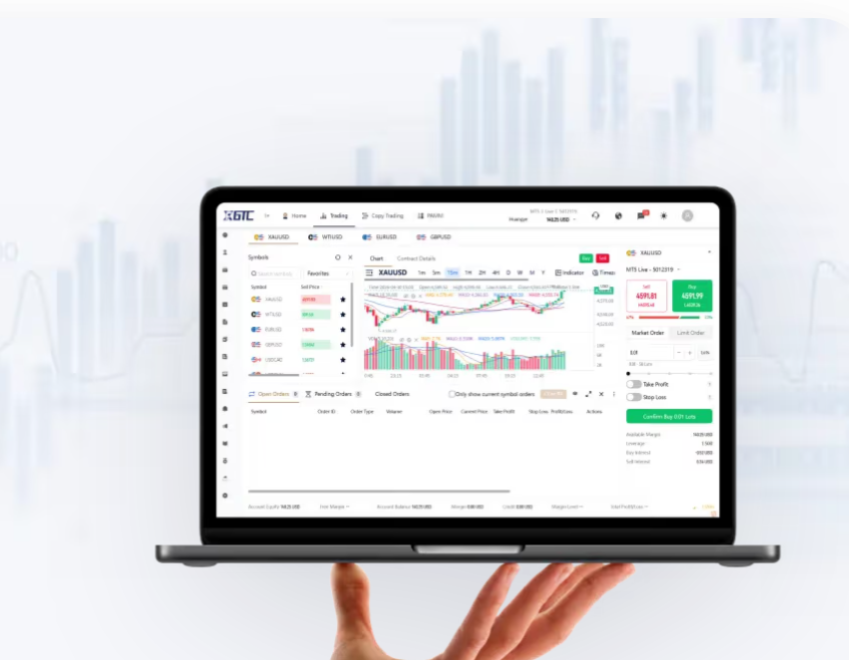
Tools must expose precise contract specs (tick size, tick value, settlement window), low-latency market data APIs, and durable session logs for post-trade analysis. From a front-end perspective, live charting must handle high-frequency ticks without dropping frames; that’s often where designers forget about extreme bursts. Dashboards should allow slicing by venue and by micro-session so ops can spot liquidity holes fast.
Also check margin and risk settings that apply to energy CFDs specifically — not generic equity defaults. If the platform doesn’t let you simulate margin under stressed moves, don’t rely on it for size decisions.
Common mistakes and how to fix them
Traders often repeat the same avoidable errors — here’s what I keep seeing and how teams patched them:
– Over-reliance on noon liquidity: fix by measuring slippage across the whole 24h cycle and adjusting sizing by session.
– Ignoring contract roll conventions: fix by standardising roll calendars in your risk systems so P&L isn’t distorted at month-end.
– Treating energy indexes like equities: fix by tuning execution algos for higher variance and geopolitical sensitivity typical to energy markets — especially around EIA reports or OPEC meetings.
These fixes come from practical desk-level changes — small config updates, better pre-trade QA, and clearer post-trade attribution.
How to evaluate index providers — three golden rules
When you shortlist index tools, measure them against hard criteria. Pick the provider that scores best on these three metrics:
1) Data fidelity and provenance — can you verify source venues and see timestamped tick chains? High-quality feeds reduce reconciliation work and speed up dispute resolution.
2) Execution realism — does the provider offer simulated slippage and order book replay so you can stress-test algos under historical spikes (like the 2020 WTI anomaly)? Realistic simulation prevents nasty surprises.
3) Integration flexibility — check API rate limits, web-socket stability, and whether the platform supports both REST and streaming. Your front-end and risk stack must not choke under peak loads.
Scoring vendors on these three gives you an objective shortlist; then weight cost against operational risk — cheaper is not better if reconciliation takes half your team’s day.
Closing: practical takeaways for high-volume desks
Measure what affects fills. Build dashboards that expose spread, slippage and latency by session. Choose index tools that let you replay and simulate extreme days — the ones that teach you more than calm markets ever will. These steps cut surprise P&L and tighten execution discipline.
When done right, the value becomes operational — fewer disputes, cleaner attribution, faster decisions — and that’s where a platform like GTCFX fits naturally into the stack, providing reliable feeds and sensible integration options. —