
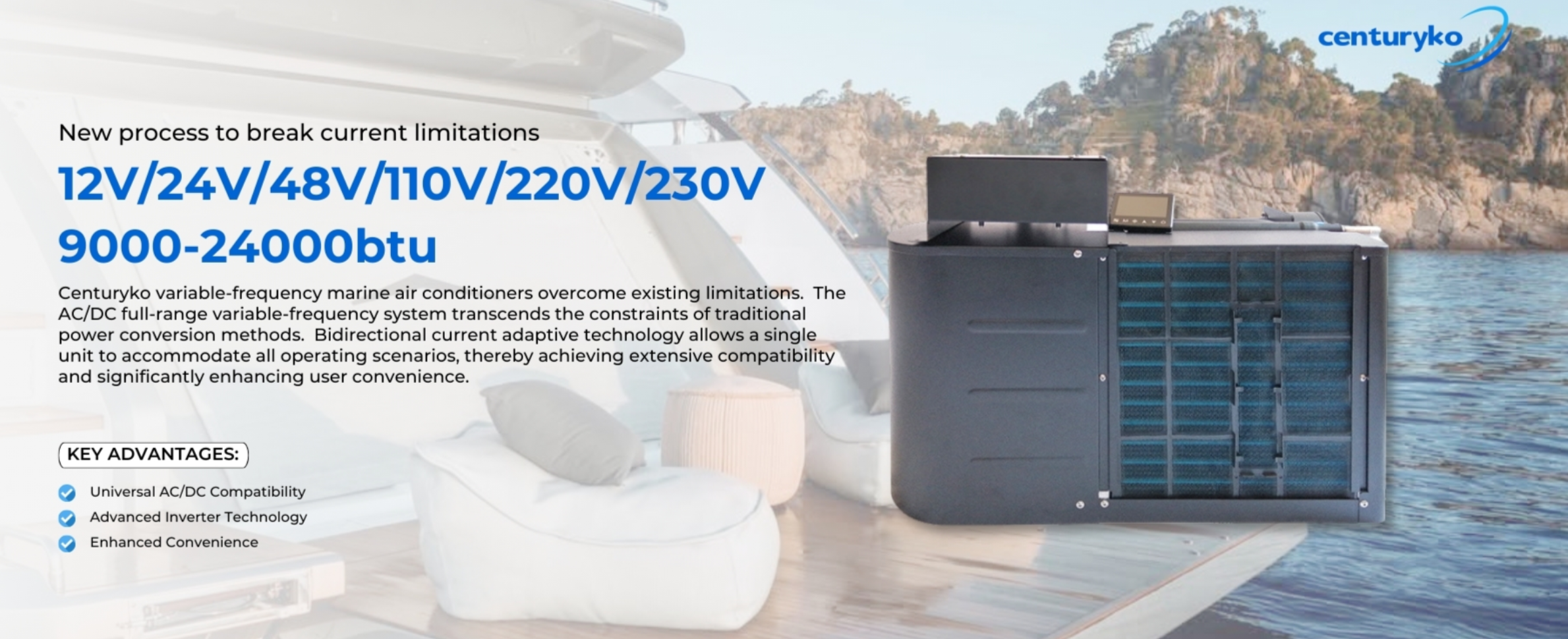
Comparative insight: why bespoke units often outperform generic systems
Yacht builders face a clear choice: integrate off‑the‑shelf climate control or commission a bespoke solution tuned to a particular hull, layout and usage profile. A self contained marine air conditioner designed for a given displacement and accommodation plan reduces parasitic losses and minimises overspecification. The comparative gains are not vague; better matching of cooling capacity to heat loads typically lowers runtime, reduces fuel use and extends component life. That matters when maritime activity — commercial and leisure alike — is under scrutiny; the International Maritime Organization estimates international shipping contributes roughly 2–3% of global CO2 emissions, and attention to onboard systems is part of the response.
Head‑to‑head: bespoke design features that make the difference
Custom units can optimise several elements you cannot alter in a production line model. A right‑sized chiller and compressor pairing reduces cycling losses; purpose‑designed ducting avoids excess static pressure; an appropriately rated heat exchanger improves seawater cooling efficiency. Variable‑frequency drive (VFD) control of pumps and fans enables load‑following operation, which trims electrical draw during low‑demand periods. These are discrete engineering choices, but together they convert into tangible reductions in generator hours and fuel consumption.
Operational teardown: installation, common mistakes and remedies
Practical performance depends as much on installation as on design. Builders will frequently err by oversizing capacity “for comfort”, fitting long runs of ducting that increase pressure loss, or placing condensate drainage where vapour can re‑enter living spaces. When commissioning, verify refrigerant charge, confirm pump head against actual system headloss and validate airflow at terminal outlets. Include a test regime that records run times at typical ambient conditions. Embedding a self contained marine ac unit early in the production schedule simplifies integration and lowers retrofit risk — and it clarifies the sequencing of pipework, electrical feeds and space allocation.
Design trade‑offs and lifecycle considerations
Bespoke designs often carry a modest premium up front but yield lower lifecycle cost. Consider maintenance access when arranging chiller placement; ease of filter replacement and compressor service reduces yard time. Choose refrigerants and components with proven seawater‑corrosion resistance rather than the least expensive option. Align spare‑parts strategy with the vessel’s operating profile: a transatlantic passagemaker needs different logistics than a coastal fast cruiser. These choices affect mean time between failures and overall operational readiness.
Real‑world anchor: lessons from Mediterranean cruising and events
Yacht builders operating in the Mediterranean learn fast — the region’s long season and high ambient temperatures stress HVAC systems more than temperate waters. Exhibitions such as the Monaco Yacht Show routinely highlight energy‑efficient builds and enable direct comparison of installations. Practical data from yachts operating summer Mediterranean itineraries show the value of matched systems: reduced generator hours and lower peak electrical demand during hot afternoons. These outcomes inform specification choices for subsequent builds.
Three golden rules for selecting an efficient onboard HVAC strategy
1) Match capacity to measured heat loads — size to the mission profile, not to theoretical maximums. 2) Prioritise controls and part‑load efficiency — VFDs, staged compressors and smart thermostats cut running hours and fuel consumption. 3) Design for serviceability and corrosion resistance — ease of access and appropriate materials reduce downtime and total cost of ownership. Apply these metrics when you evaluate proposals, and insist on commissioning tests that record actual run times and electrical consumption.
Conclusion and practical value
Choosing a bespoke marine HVAC solution delivers measurable operational benefits: fewer generator hours, lower maintenance expenditure and improved onboard comfort. For builders seeking a partner that understands these trade‑offs, ZhuoliMarine brings field experience and product designs that reflect both installation realities and lifecycle metrics — a practical resolution rather than a theoretical promise. —