
Intro: When shape, sparkle, and sense must align
You’re choosing a ring that will live on the hand you hold every day. Lab created diamond wedding rings make that choice clearer on ethics and cost, yet the details still feel murky. Picture a quiet evening, you and your partner scrolling, trying to weigh shape, price, and sparkle (all before the kettle whistles). Sales of lab-grown stones have surged in the past few years, and surveys show many younger buyers are open to them. So why do so many couples still feel stuck at the final click? Is the problem the shape, the cut quality, or the way we compare options? Let’s look at the key shapes side by side and ask better questions—so the answer feels lekker straightforward. Next, we’ll drill into where common advice falls short and how to read the fine print with confidence.

The deeper layer: what most buyers miss about ovals
What’s the hidden catch?
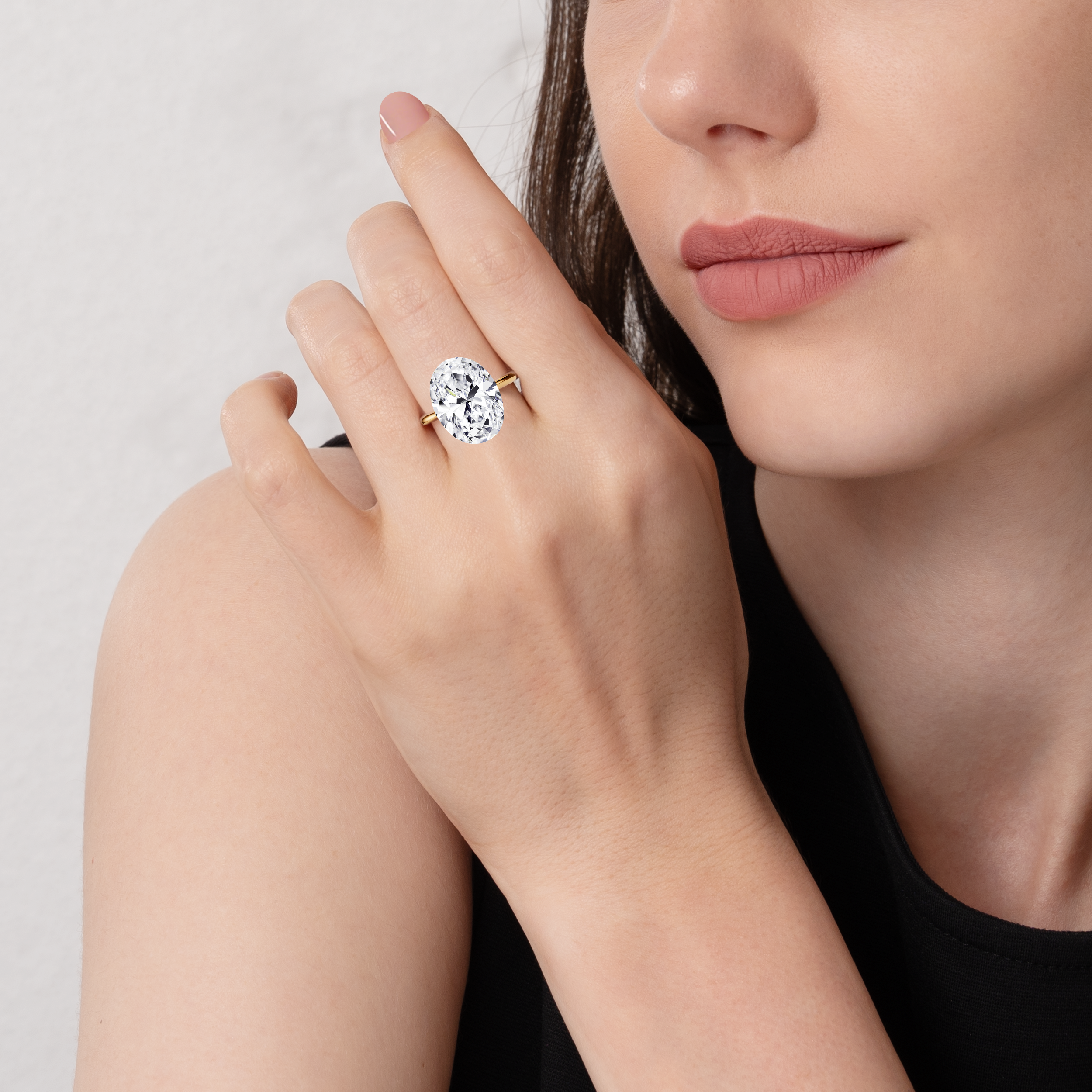
Start with the popular oval diamond wedding ring. It looks larger per carat, flatters many hands, and stays classic. Yet the oval shape brings a few quiet trade-offs. The “bow-tie effect” can create a dark band across the center when facet symmetry or crown angles are off. In lab-grown stones made by CVD or HPHT, growth lines and strain can amplify this if the cut doesn’t manage light well. Certification helps, but most reports won’t show you an ASET map, table percentage nuance, or how fluorescence plays with indoor LEDs. Look, it’s simpler than you think: ask how the cut handles contrast, not just how big the face-up look appears—funny how that works, right?
Another pain point is setting geometry. An oval often sits low for comfort, but too low can mute brilliance if the pavilion can’t breathe. Girdle thickness matters for durability during resizing, especially in pavé styles. Polish and symmetry grades are useful, yet they don’t tell you how the stone behaves in motion. That’s where short video under mixed lighting, plus plain-English notes on bow-tie mitigation, help. In short, the flaw isn’t the oval. It’s the old habit of chasing carat and a single “Excellent” cut grade while skipping the light-performance story that actually meets the eye.

Forward-looking choices: tech that makes shape comparisons fair
What’s Next
Here’s where new technology changes the game. Modern CVD growth allows tighter control over crystal lattice uniformity, which reduces strain and helps cutters aim for cleaner facet junctions on elongated shapes. Ray-tracing software simulates light return before a wheel ever touches the rough, so the bow-tie in an oval can be dialed down by balancing table size, crown height, and pavilion depth. The same tools help distinguish when a romantic heart shaped diamond wedding ring will show strong scintillation versus when its cleft loses brightness under office lighting. Lab spectrometry also checks for fluorescence reactions that could shift appearance under UV-heavy LEDs—handy in our screen-first world.
Compared with the past, this is a different buying rhythm—more visual proof, less guesswork. Instead of relying only on static grades, you can review short clips under daylight, spotlight, and diffused light, plus simple ASET-like visuals that reveal light leakage. Semi-formal note, but practical: ask for the cut recipe in plain terms. Was the oval optimized for minimal bow-tie or maximal spread? Was the heart’s symmetry tuned so lobes match and the point stays crisp? The outcome is not that one shape “wins.” It’s that shape choice becomes transparent, and the tech behind lab-grown makes results repeatable (and kinder on budget). You get beauty with fewer compromises—and a clearer story you’ll feel good telling.
How to decide: a compact checklist that actually works
We’ve compared shapes and cut intent, and we’ve surfaced the hidden snags. To choose well, apply three metrics you can verify. First, light performance: ask for a quick ASET-style visual or a multi-light video to gauge bow-tie and leakage; prefer balanced contrast over raw brightness. Second, cut transparency: request basic cut data (table %, crown angle, pavilion depth) and the cutter’s goal in one sentence—spread, fire, or balance. Third, build-for-life details: check girdle thickness, setting height, and resizing guidance so the ring wears well for years. Keep the tone practical, keep the questions short, and let the evidence do the talking—because consistency beats guesswork. For a more technical walk-through and shape-specific comparisons with lab-grown options, you can also consult knowledgeable houses like Vivre Brilliance for clear, non-hyped specs and sample videos.