
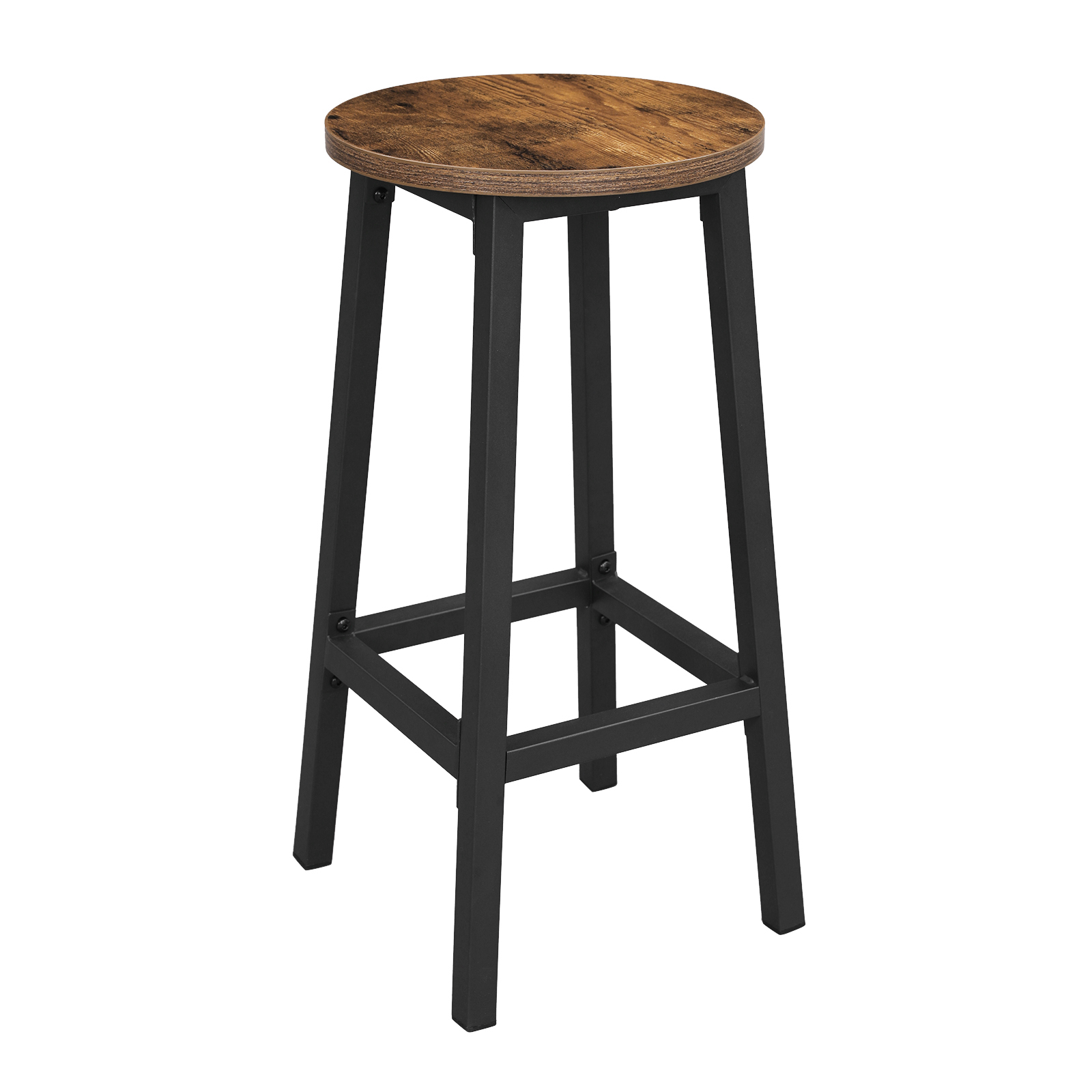
Introduction: A Quiet Morning, a Big Decision
You unlock the space before sunrise, tape measure in one hand, floor plan in the other. You need wholesale bar stools, but choosing a bar stool supplier that won’t trip up your schedule or budget can feel like a leap. In rollouts, a two-week lead time slip can stack costs fast, and a 10% defect spike can wipe out opening-week momentum (and your mood). So here’s the gentle truth: we can make this calm and clear. We’ll read the signals, match your needs, and plan for the bumps—before they become bumps.
Think simple rules, not guesswork. A few checks—batch consistency, load safety, carton strength—do most of the heavy lifting. The goal isn’t a perfect forecast; it’s removing avoidable risk and surprises. That’s how you protect margin and pace without adding extra hands. Ready to see what actually matters, and what’s just noise? Let’s start where missteps tend to hide, then move forward with confidence.
Hidden Pain Points When Picking a Bar Stool Supplier
Where do traditional methods fall short?
Technical lens on. The most common trap is the “perfect sample.” One stool arrives flawless; the production run doesn’t match. Finish color drifts. Welds vary. Fasteners back out. Packaging flexes. Look, it’s simpler than you think: ask how the supplier controls batch variance, not how good the hero sample looks. Request BIFMA-relevant torque test data and drop-test results, not just pretty photos. Ask for carton ECT ratings and pallet patterns. And always confirm the actual lead time window, plus the backup plan if a powder coating line goes down—funny how that works, right?
Hidden pain shows up later as rework, wobble, and returns. A vague MOQ that forces overbuy ties up cash. Unclear rub-counts on upholstery create early wear. Inconsistent glide height causes rocking on tile. Poor hardware kitting delays installs by hours per site. The fix is to convert soft promises into measurable checkpoints: batch color reports, weld integrity sampling, hardware kits per carton, and OTIF performance by month. You’re not being picky; you’re preventing churn. When a supplier can map each control to a failure they’ve already eliminated, you have evidence—not vibes.
Comparative Outlook: From Guesswork to Measurable Wins
What’s Next
Let’s go forward-looking and practical. A mid-size café group ran a side-by-side pilot: two vendors, same spec, staggered installs. The team compared delta E color checks on finishes, torque test logs on footrests, and QR-coded carton traceability end to end. The supplier using RFID lot tracking and simple FEA checks on frame geometry cut defects by 28% and hit OTIF at 97%. Even better, site teams reported 15 minutes less assembly time per stool. That pace adds up. When those lessons were applied to a run of wholesale leather bar stools, the finish consistency held across three batches—no shade drift, no surprises—because the controls were already in place (steady hands, steady outcomes).
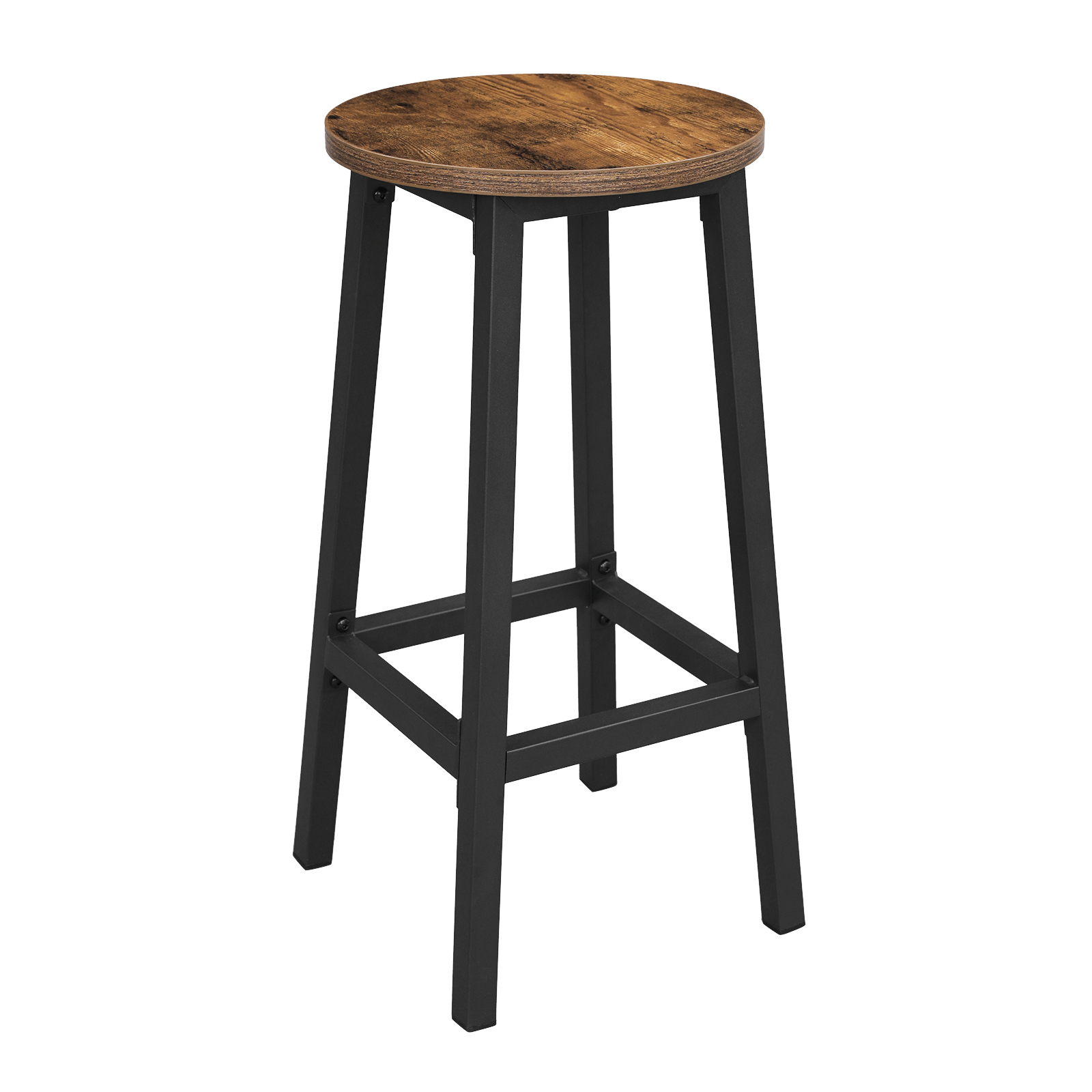
So, how do you decide with confidence? Compare principles, not promises. Favor suppliers who show their process: digital colorimetry targets, per-batch torque and drop-test checks, carton ECT specs that match real routes, and a living OTIF dashboard you can see. Light, semi-formal tone here, but the punch is clear: better inputs, better outputs. Advisory close—three metrics to track on every quote and pilot: 1) Batch-to-batch finish variance, stated as a delta E target you can audit. 2) Structural performance, expressed as failures per 1,000 units after relevant BIFMA cycles. 3) Delivery reliability, tracked as OTIF with a transparent lead time band. Keep those three front and center, and you’ll get fewer returns, smoother installs, and happier teams—because you planned it that way. SONGMICS HOME B2B