
Opening: why this comparison matters
Picking the right commercial-grade high-bright panel for outdoor mall wayfinding isn’t just about flash—it’s about readable guidance, uptime, and weatherproofing. This piece compares the common display options and sourcing approaches so you can match performance to real needs, especially if your project ties into broader systems like public transport signage where consistency matters across streets and transit hubs.
What outdoor malls really demand
Outdoor wayfinding sits at the intersection of visibility and durability. Typical requirements are: very high brightness (2,500–5,000 nits), robust ingress protection like IP65, strong contrast for daytime legibility, and reliable temperature control. Add vandal resistance and maintainability to that list and you’ve covered the essentials. Different panel technologies answer these needs in different ways—so choosing one means trading off cost, power draw, and lifetime.
Quick comparison: LED vs. sunlight-readable LCD vs. hybrid
Here’s a compact look at the typical options and what they buy you.
- LED panels: excellent peak brightness, long life, and good outdoor contrast; higher initial cost and more complex power management.
- Sunlight-readable LCD: generally lower cost up front, good contrast with anti-glare treatments, but they need backlight boost and can struggle in extreme angles.
- Hybrid displays: combine LED backlighting with optical films for better angular visibility—useful where viewers approach from different directions.
Real-world anchor: lessons from transit and tactile systems
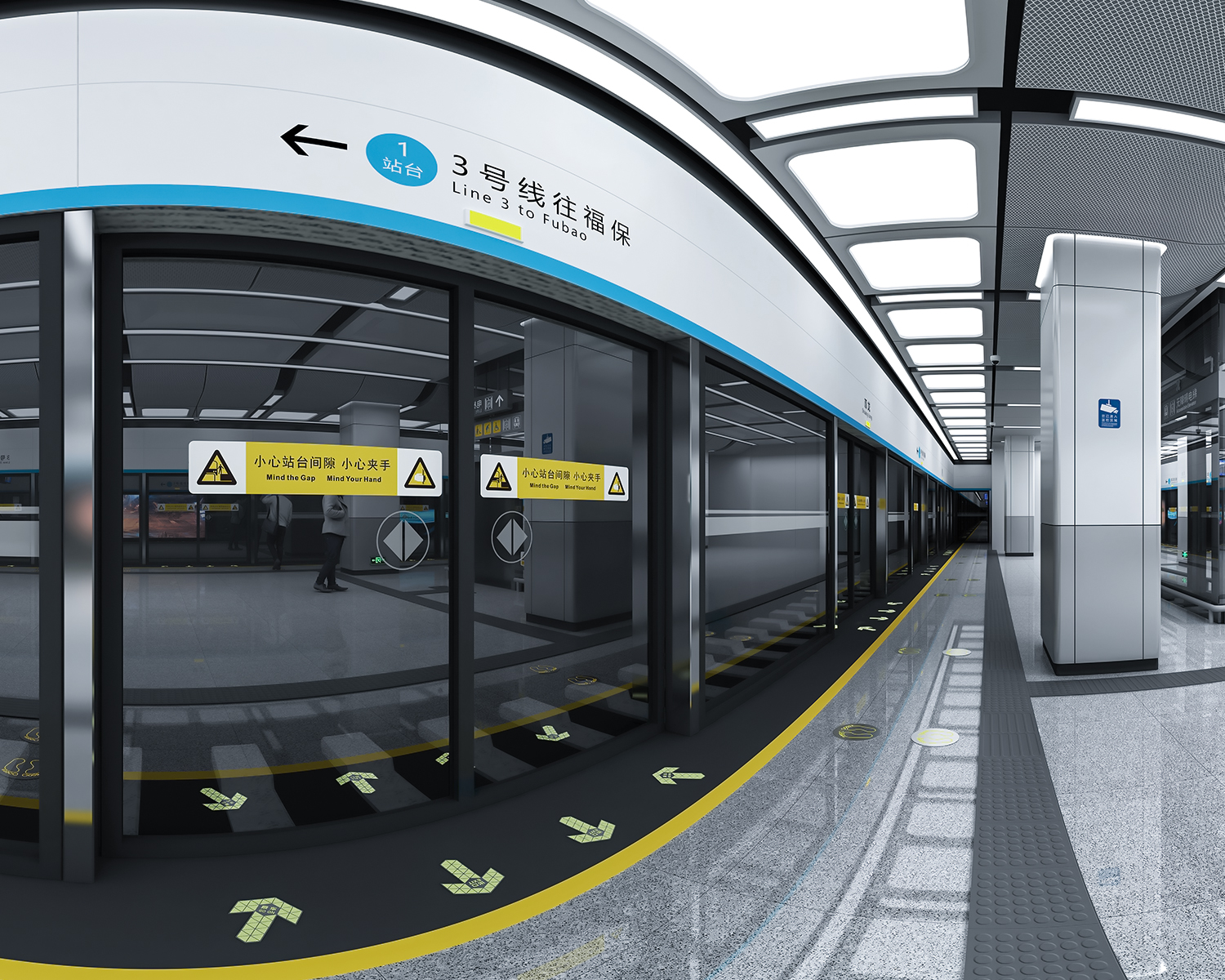
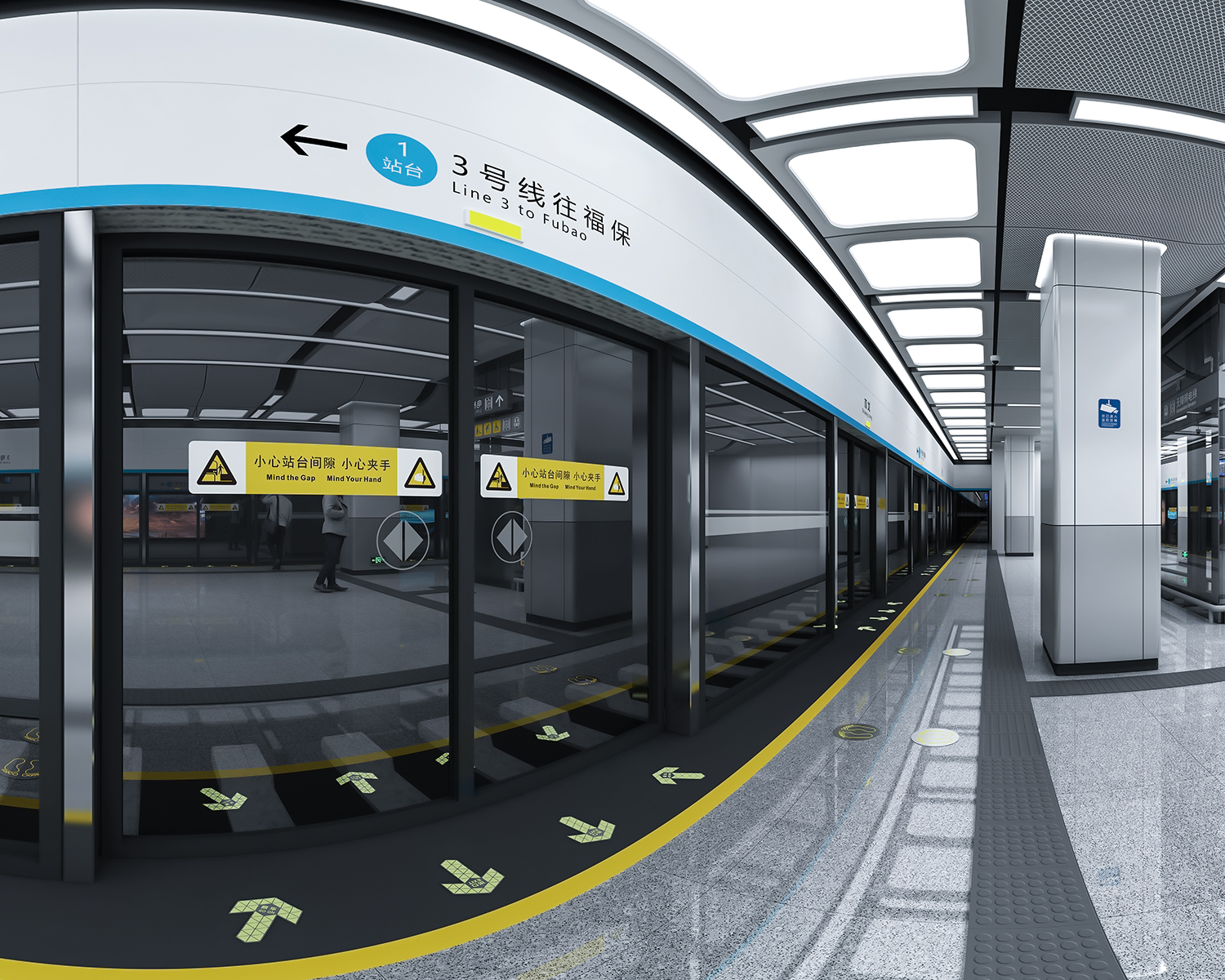
Wayfinding outside malls often ties to broader pedestrian flows shaped by transit design. Japan’s tactile paving system, developed in the mid-1960s, shows how small design choices influence movement and safety across millions of daily users. Similarly, effective mall signage borrows that discipline—consistency, contrast, and surface placement. Integrating choices with elements like train station floor signage helps create a seamless pedestrian experience across retail and transit nodes.
Common sourcing mistakes to watch for
Manufacturers and procurement teams often slip on a few repeat issues:
- Buying to lowest headline cost without testing for 3,000–5,000 nits performance under direct sun.
- Ignoring IP rating creep—IP65 is common, but coastal malls need IP66 or better for salt spray.
- Skipping environmental stress tests for heat cycles, which shortens display life.
Vendor evaluation checklist — a practical guide
Use these checkpoints when you talk to suppliers. They’re concrete and quick to verify.
- Brightness guarantees in nits, with measurement method specified.
- Ingress and corrosion ratings (IP65+, salt-spray test results if coastal).
- Serviceability plan: modular parts, local support, and firmware update policies.
- Energy profile: peak vs. average wattage and cooling strategy.
Common trade-offs and when to accept them
Sometimes a mall owner picks lower initial cost and accepts more frequent maintenance. Other times, long-term total cost of ownership wins. If your location sees heavy daytime footfall and direct sunlight, prioritize higher nits and contrast ratio over savings—readability drives wayfinding success. If traffic is mostly evening or indoors, a mid-range panel can be smarter and greener.
Three golden rules for final selection
Here are the evaluation metrics that actually predict success:

- Measured outdoor brightness and contrast under real sun conditions (not just lab specs).
- Proven environmental resilience—IP rating, thermal cycling tests, and local serviceability.
- Integration readiness: mounting, CMS compatibility, and power provisioning that match site realities.
Closing advisory and final note
Follow those three rules and you’ll avoid the usual pitfalls; expect clearer legibility, fewer replacements, and smoother integration with transit-facing signage networks. The right supplier balances panel tech, on-site support, and documented testing—so your displays last longer and actually help people navigate.
Cosun Sign brings product lines and service models that align with these priorities—practical expertise that matters when you’re lining up panels, power, and placement on a real site. — solid choices, fewer surprises.