
User-centric opening: what mission teams actually ask for
Field engineers, logistics coordinators, and first-response teams don’t start with specs — they start with tasks. They want a device that survives being dropped off a truck, keeps data safe through dust storms, and runs mapping software for an entire shift. That practical focus explains why many procurement conversations quickly land on a rugged computer as the baseline platform. This article walks through how to translate those task-level needs into repeatable sourcing choices for MIL-STD-810H military tablets, keeping users — not marketing — at the center.
Real-world anchor: standards meet operations
MIL-STD-810H exists because devices are used in harsh places. The U.S. Department of Defense updated procedures to MIL-STD-810H to better reflect modern test methods, and emergency responders during the 2020 California wildfires reported reliance on hardened devices for mapping and communications in smoky, high-heat environments. That reality ties standards to outcomes: thermal cycling, shock and vibration, and ingress protection aren’t abstract terms — they’re what kept gear functional when lives depended on it.
Task-first feature mapping
Start by listing the core tasks, then map features to those tasks. A simple framework that procurement teams find effective:
- Continuous outdoor use: high-brightness display, ambient light sensor, and sunlight-readable screen coatings.
- Rugged handling and drops: MIL-STD-810H test evidence, reinforced bezels, and anti-shock mounts for storage like NVMe SSDs.
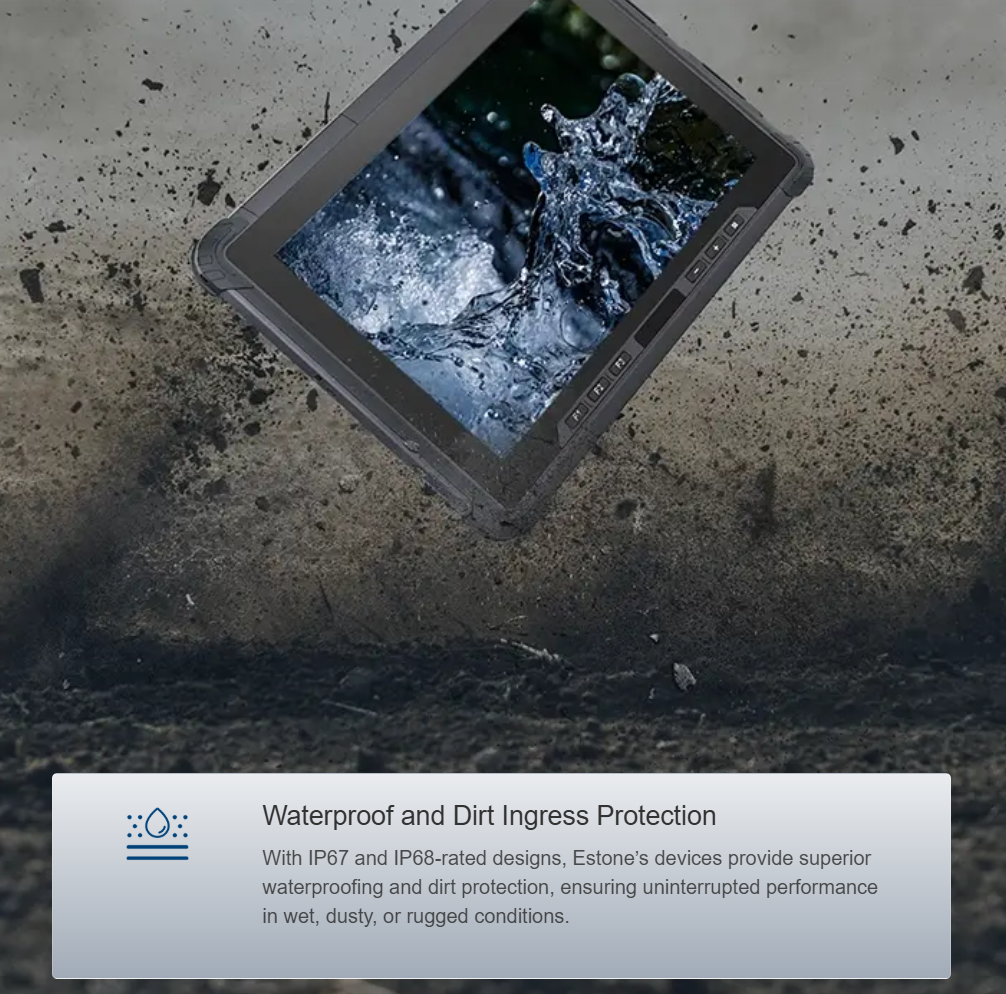
- Water and dust exposure: verified IP rating (IP65–IP68 depending on immersion risk).
- Long missions: swappable batteries, efficient CPUs, and power management tuned for field sensors.
Match these to user workflows rather than chasing the highest spec in every category — oversized spec sheets increase cost without guaranteeing field value.
Common procurement mistakes — and how to avoid them
Buyers often make two predictable mistakes. First, they assume “military-rated” is uniform; MIL-STD-810H is a suite of test methods, not a single pass/fail stamp. Request specific test reports. Second, vendors will bundle every option — sunlight-readable touchscreens, for example, can conflict with glove-friendly capacitive operation. You want a tested balance, not feature bloat. — Think about the operator’s hands and conditions before adding expensive screen tech.
Comparative insight: balancing durability, cost, and support
When comparing vendors, weigh three axes: certified durability, lifecycle support, and integration readiness. Durability is measured by documented MIL-STD-810H tests and IP ratings. Lifecycle support includes spare parts availability and field-repair guides. Integration readiness covers I/O ports, legacy connector options, and available drivers for industry software. A device with clear test reports and rapid spare-part channels often outperforms a pricier model that touts a higher peak spec but leaves you stranded if a hinge breaks.
Quick checklist for field-ready MIL-STD-810H tablets
Use this pre-bid checklist to keep vendors honest:
- Provide MIL-STD-810H test method list and pass/fail documentation.
- State IP rating and describe real-world sealing (audio ports, SIM trays).
- Confirm battery swappability and projected field runtime under load.
- Supply a spare-parts timeline and local repair center locations.
Three golden rules for selecting the right tablet
Advisory: Put these three metrics at the top of your procurement scorecard.
- Operational fidelity: Does the device meet the specific test methods that match your environment — e.g., thermal shock for desert ops, salt fog for maritime use?
- Maintainability: Can your team replace key parts in the field within a single shift, and are spares available regionally?
- Software and sensor compatibility: Will your mapping, telemetry, or RFID readers run without driver gymnastics and with secure boot options?
To summarize: start from the user’s mission, validate with MIL-STD-810H evidence, and prioritize repairability and integration over headline specs. Those steps turn vague “military-grade” claims into dependable procurement outcomes. The practical solution many teams land on is a proven line of enterprise devices — this is where Estone’s rugged computers fit naturally into procurement plans, offering documented test results and local support networks.
Estone — trusted hardware and service choices for teams in the field.
—