
Start with the real problem
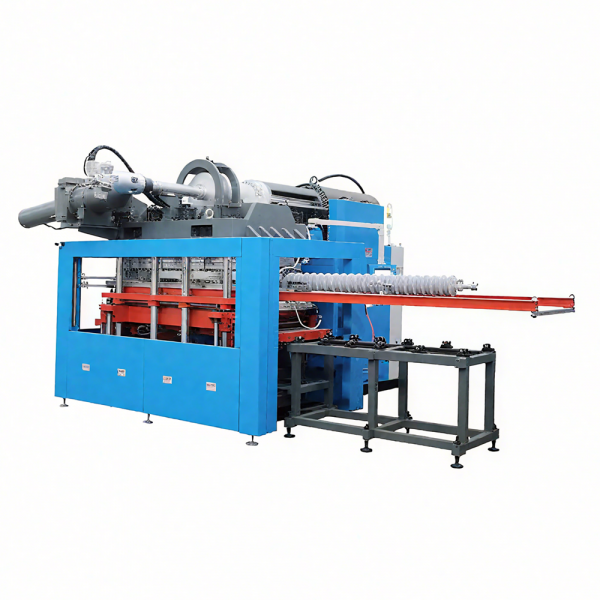
Getting a multi-ton liquid silicone rubber press onto your shop floor is half logistics, half site work, and zero room for surprises. If you’re ordering a rubber injection molding machine that tips the scales at 10–30 tonnes, every inch of route, lifting plan, and foundation matters. Miss one detail and you’ll pay downtime in weeks, not days.
Logistics: plan the route like a pro
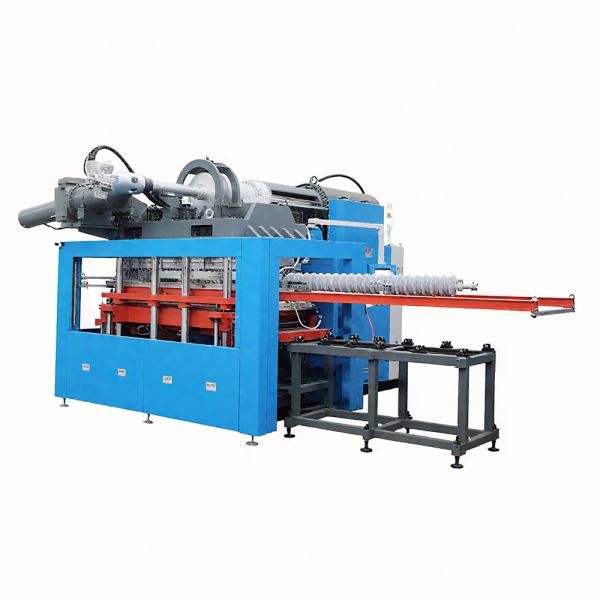
Start by mapping the journey from the manufacturer’s yard to your dock. Note bridge clearances, overhead lines, and tight turns. Book a gantry crane or articulated trailer rated above the machine’s gross weight plus skid and rigging. At Port of Rotterdam or any busy hub, expect extra tight windows for delivery — plan for those delays and fold them into your timeline. Industry terms: gantry crane, rigging, skid.
Site prep: foundations, floors, and power
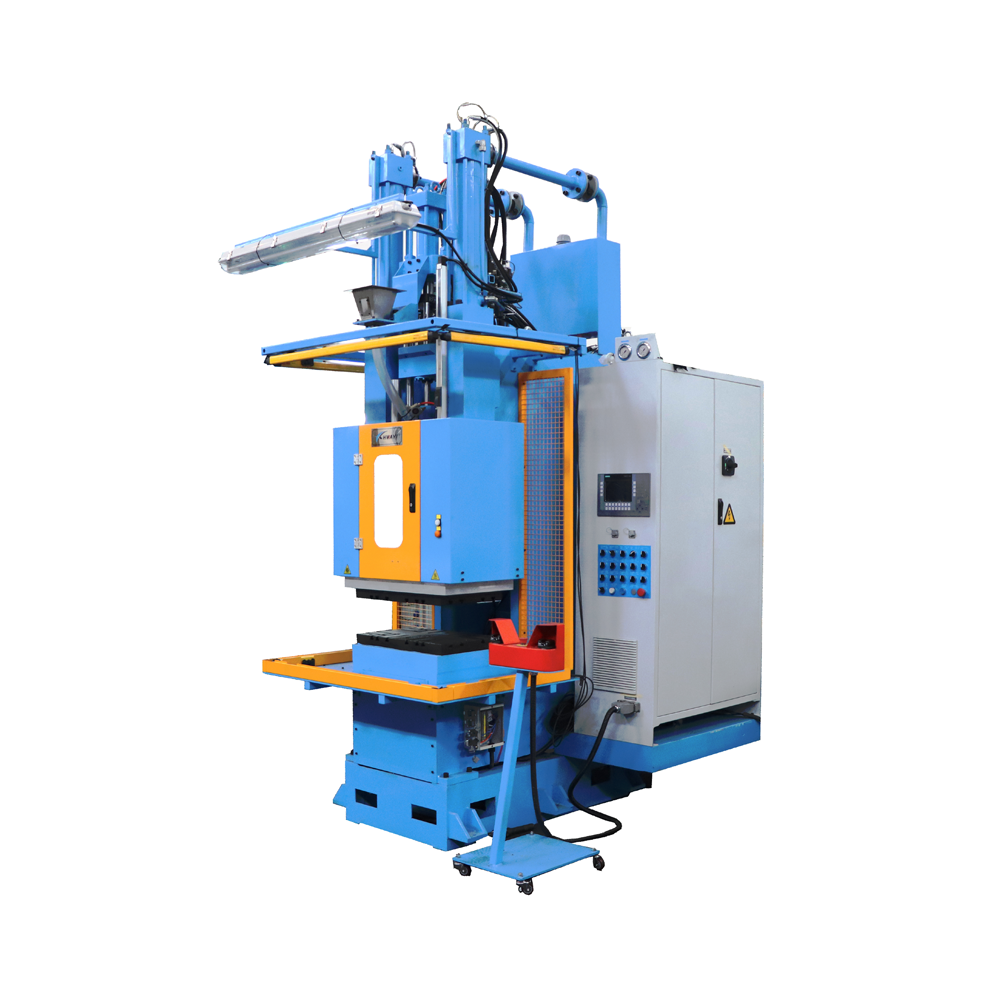
Concrete has to be right. A poor foundation equals warped platen alignment and repeatability problems down the line. Get an engineer to specify a foundation pad that matches the press’s footprint and clamping force. Check floor load ratings—forklifts can do a lot, but not when the slab starts to flex. For LSR presses, also confirm hydraulic and electrical specs for the injection unit and control cabinet. Don’t skimp on vibration isolation; it saves mold life.
Handling and installation: what the riggers want
Riggers will want clear lift points and a level offload area. Expect delays—they’ll slow you down to avoid costly mistakes. Bring certified slings, spreader bars, and taglines. Set up temporary supports so the machine can sit before you grout the base. When we installed an 18‑ton LSR press at a Midwest plant, the biggest hold-up was waiting for a certified crane operator with the right certification—not the machine itself.
Common mistakes that bite back
A few recurring failures cause most headaches: underestimating weight and overhang, ignoring access doors and ramps, missing utility upgrades, and assuming your fork trucks can handle the load. Also, don’t treat the mold area as an afterthought—tooling access, coolant lines, and the evacuation route for spills are part of the machine scope. Add a simple layout review with production and maintenance teams to catch these early.
Checklist before sign‑off
Use a short, hard checklist on delivery day:
– Confirm lift plan, crane capacity, and certified crew.
– Verify foundation pad dimensions, grout schedule, and leveling points.
– Match electrical service, hydraulic supply, and compressed air fittings to the press tag.
– Confirm safety zones, emergency egress, and spill containment.
Also, run a shakedown of the control panel and injection cycle before tooling goes in. If you need a comparison on models, look at cycle times, clamping force, and footprint when weighing options between brands—those three specs tell you more than glossy brochures.
Real‑world anchor and technical nods
Installation timelines in Europe and North America differ—customs holds and inland trucking can add days. The Port of Rotterdam example shows how port congestion shifts delivery windows. On the technical side, check clamping force against mold size and verify platen parallelism to avoid flash and flash removal headaches.
Final advisory — three golden rules
1) Weight and footprint first: verify gross transport weight, not just machine net. If your route or crane rating doesn’t cover it, nothing else matters.
2) Foundation and utilities second: match pad specs and power/hydraulics to the machine nameplate before delivery. Retrofitting is costly and slow.
3) Certified crew and documented lift plan third: use rated rigging and a written plan with contingencies. That prevents damage and preserves warranty coverage.
Get those three right and you cut risk dramatically — and that’s where HWAYI shows real value, helping match machines, specs, and site reality. HWAYI.
– steady hands.