
Why policy is pushing storage onto distribution networks
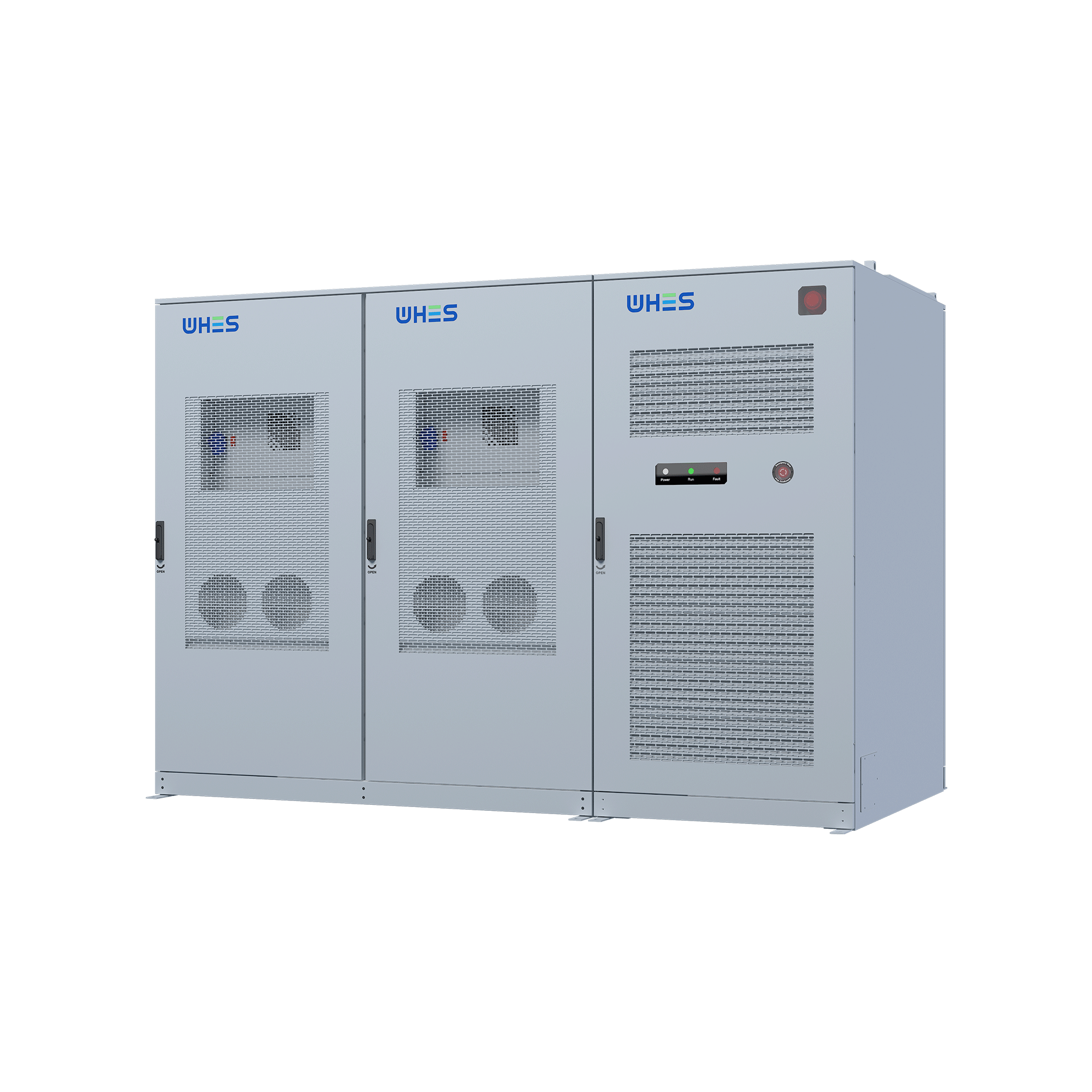
Regulators and utilities increasingly treat non-wires alternatives as a policy tool to delay costly substation and feeder upgrades. That creates a practical opening for modular, containerized systems that can supply capacity, voltage support, and peak shaving at selected nodes. One common procurement path is to specify an on-site solution — often called commercial energy storage — sized to take the peak load offline for a planned deferral window. Studies by Lawrence Berkeley National Laboratory and state utility commissions have documented multiple NWA (non-wires alternative) procurements in California and New York where storage played a decisive role in deferring capital spend, so this is not just theoretical.
What an all‑in‑one system actually provides
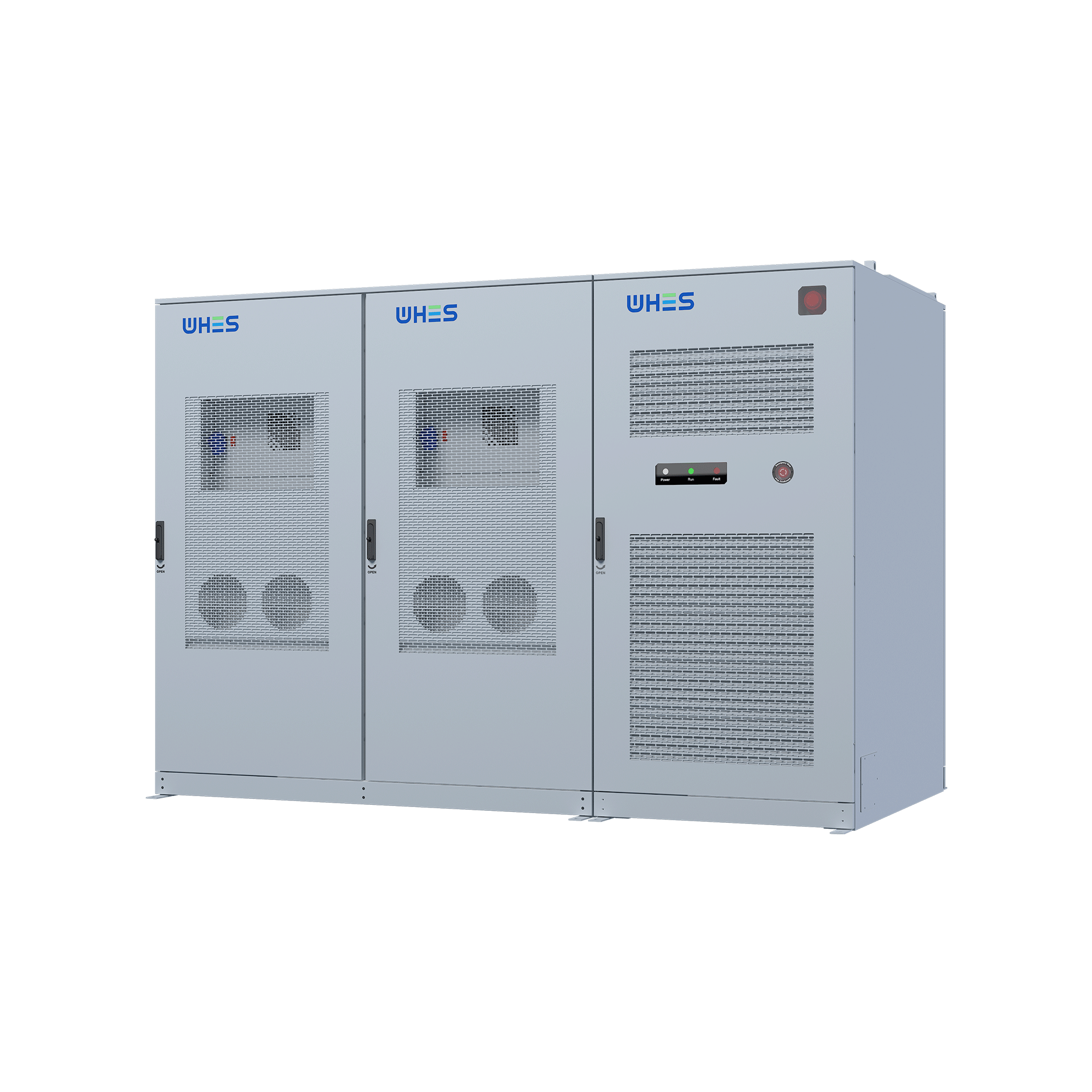
An all‑in‑one energy storage system bundles the battery pack, inverter, controls, and thermal management into a single, deployable unit. For distribution deferral you want clear specs for peak power (kW), energy capacity (kWh), and cycle life. Key components include the inverter for grid-interactive modes, the battery management system (BMS) to protect cells and manage state of charge (SoC), and communications for remote dispatch. These systems simplify interconnection and can be treated as a single asset on a distribution circuit rather than a collection of components — that reduces project complexity and shortens deployment timelines.
How storage meets the technical and contractual needs of deferral schemes
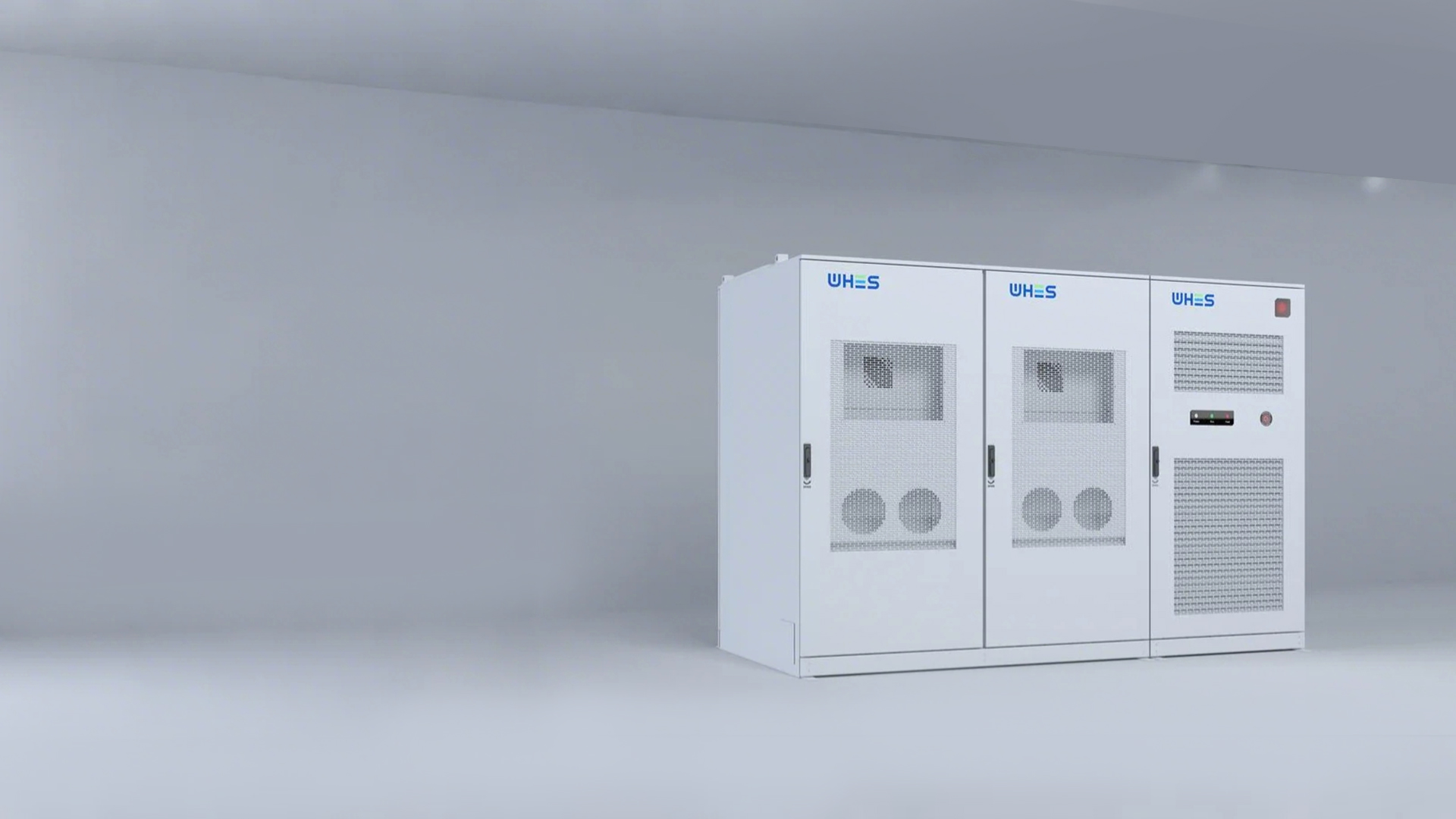
Technically, the targets are straightforward: reduce net feeder peak for specific hours, provide quick response for voltage regulation, and maintain reliability while the upgrade is postponed. Operators rely on dispatchability — the ability to call power in a consistent window — and predictable degradation curves so the utility can quantify the deferral value. Contractually, agreements often tie payments to delivered performance (availability, measured peak reduction) and to defined testing protocols. When you translate grid objectives into measurable service levels, the storage asset becomes a procurement outcome instead of an experimental installation. —
Common design and procurement pitfalls to avoid
Projects falter for a few recurring reasons: underspecifying usable energy (confusing nameplate kWh with usable kWh), ignoring inverter ramp limits, or failing to verify control interoperability with the utility’s distribution management system (DMS). Another mistake is setting unrealistic acceptance tests that don’t mirror real dispatch conditions — then the system fails when called. Ensure warranties cover both performance and cycle-throughput, and demand FAT/SAT tests chained to the actual dispatch profile you plan to use. A realistic degradation forecast and monitoring regime prevents surprises during year two or three of operation.
How to size, specify, and integrate — a short checklist
Follow these pragmatic steps when planning a deferral project:
- Define the deferral target: specify hours, magnitude of peak reduction, and duration (months/years).
- Translate target into power and energy requirements with margin for losses and reserve state of charge.
- Require standardized communications (OpenADR/IEEE 2030.x or utility-preferred protocols) for dispatch and telemetry.
- Include thermal and site constraints in procurement: ambient derating matters for sustained dispatch.
- Lock acceptance tests to operational scenarios (multi-hour discharge, repeated cycles, and emergency islanding if needed).
Where vendors position integrated packages, it’s smart to compare a delivered turnkey unit to an assembled solution from separate suppliers — both have trade-offs in lead time and lifecycle support. If you need an example product spec to benchmark bids, look at commercial energy storage systems that list inverter rating, usable kWh, cycle life, and BMS functions explicitly.
Advisory: three golden rules for selecting storage for distribution deferral
1) Measure operational availability, not just capacity — require documented performance history or demonstrated uptime guarantees. 2) Prioritize lifecycle economics over upfront cost — round‑trip efficiency and cycle life materially affect total cost of service. 3) Insist on standards-based controls and testable dispatchability so the asset can be integrated into the utility’s operational stack without bespoke middleware. These metrics let planners compare bids on objective, repeatable grounds.
For many engineers and procurement leads, integrated vendors who publish clear inverter specs, BMS behavior, and warranty terms simplify evaluation — and for turnkey solutions, firms such as WHES often match the operational framing utilities need.
— practical, proven, deployable.