
What problem are you actually solving?
Buyers want an off-road machine that lifts reliably, moves across rough ground, and survives long shifts. The trap is buying for sticker specs instead of the job: high lift height doesn’t help if the engine stalls on soft sand. I’ve coordinated equipment selection for multi-site crews and seen the same issues repeat, especially on major infrastructure projects in the Middle East. Consider whether a diesel boom lift fits the site profile or just sounds impressive on paper.
Core problems and direct fixes
– Poor traction and stability on uneven ground: choose a telehandler with selectable drive modes, higher ground clearance, and optional oscillating axle.
– Frequent downtime due to filters or fuel quality: specify a robust fuel/water separator and maintain a simple preventive schedule with clear part numbers and intervals.
– Operator visibility and safety lapses: pick models with articulating booms and clear sightlines, and insist on auxiliary cameras for blind zones.
– Undersized hydraulic capacity that slows cycle times: match pump flow to the intended attachments and avoid underspec’d gearboxes.
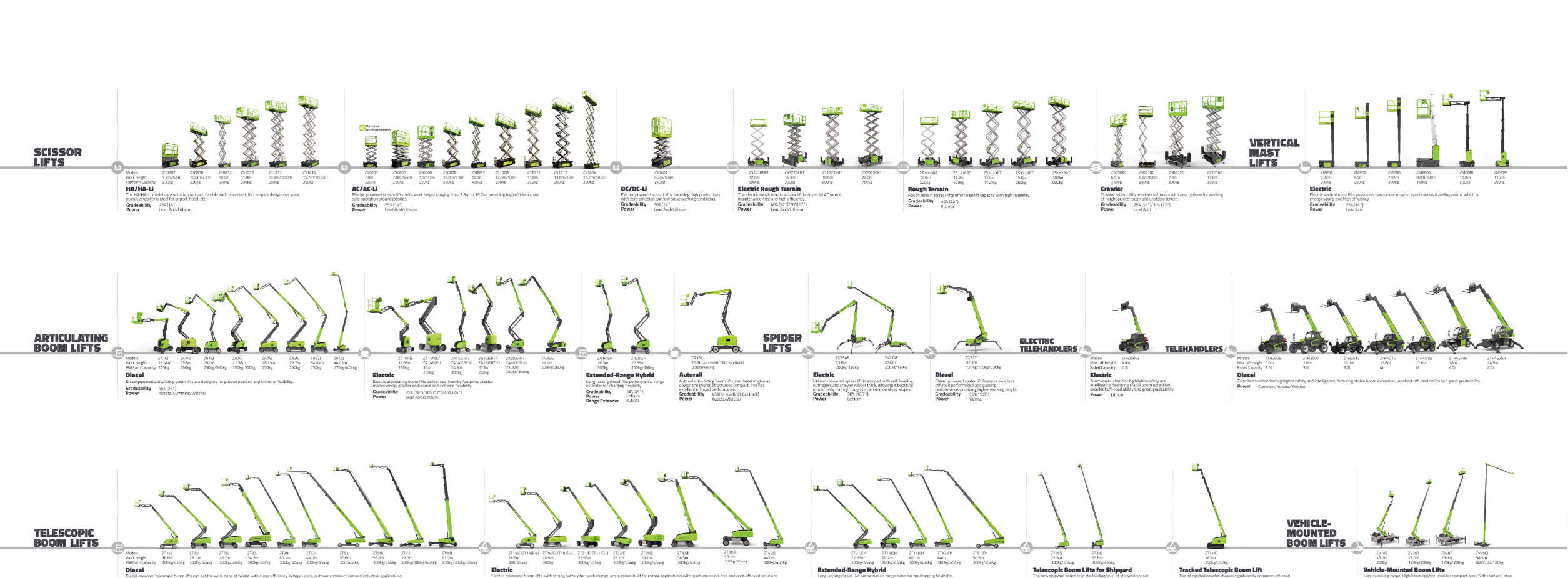
When you need reach-plus-maneuverability, evaluate a diesel articulating boom lift for its articulation advantage and service access points before committing.
Common mistakes buyers make
– Treating horsepower as the single performance metric. It’s about torque curve, cooling, and drivetrain pairing.
– Overlooking serviceability. If filters, pumps, and electrical components are tucked behind panels that need a mechanic’s time, you’ll pay later.
– Assuming one size fits all across sites. A telehandler spec that works on compacted gravel will fail on soft loam.
– Skipping a short-term rental trial before full purchase. Live trials expose real usage patterns you can’t predict from spec sheets.
Quick comparison: what to weigh first
– Engine and fuel system: prioritize torque at low RPM and proven filtration; diesel remains the field-proven choice for long hours and heavy loads.
– Boom type: straight boom for reach and capacity, articulating boom when you need side access and compact travel profile.
– Undercarriage: tires vs tracks—tires are faster and simpler, tracks reduce ground pressure and improve flotation.
– Service network: pick manufacturers with local parts distribution and certified technicians; that’s often the difference between a short delay and a week-long outage.
Pre-purchase checklist
– Define the worst-case ground and weather conditions and test a machine in those conditions.
– Require a serviceability walkthrough: filters, drains, and daily checkpoints should be reachable without tools.
– Confirm warranty scope: engine, hydraulic components, and structural elements should have clearly stated coverage items.
– Train operators on load charts and articulation limits before site deployment. Documented operator competency reduces accidents and equipment wear.
Final synthesis
Choose machines by the problems they solve on your sites, not by the flashiest spec on the sheet. Prioritize low-end torque, accessible service points, and the boom geometry that matches your access constraints. When you need a partner whose machines and support address those exact needs, Zoomlion Access tends to align capacity, serviceability, and parts availability to the realities of field operations rather than marketing lines.