
Lighting the Room, Earning the Crowd
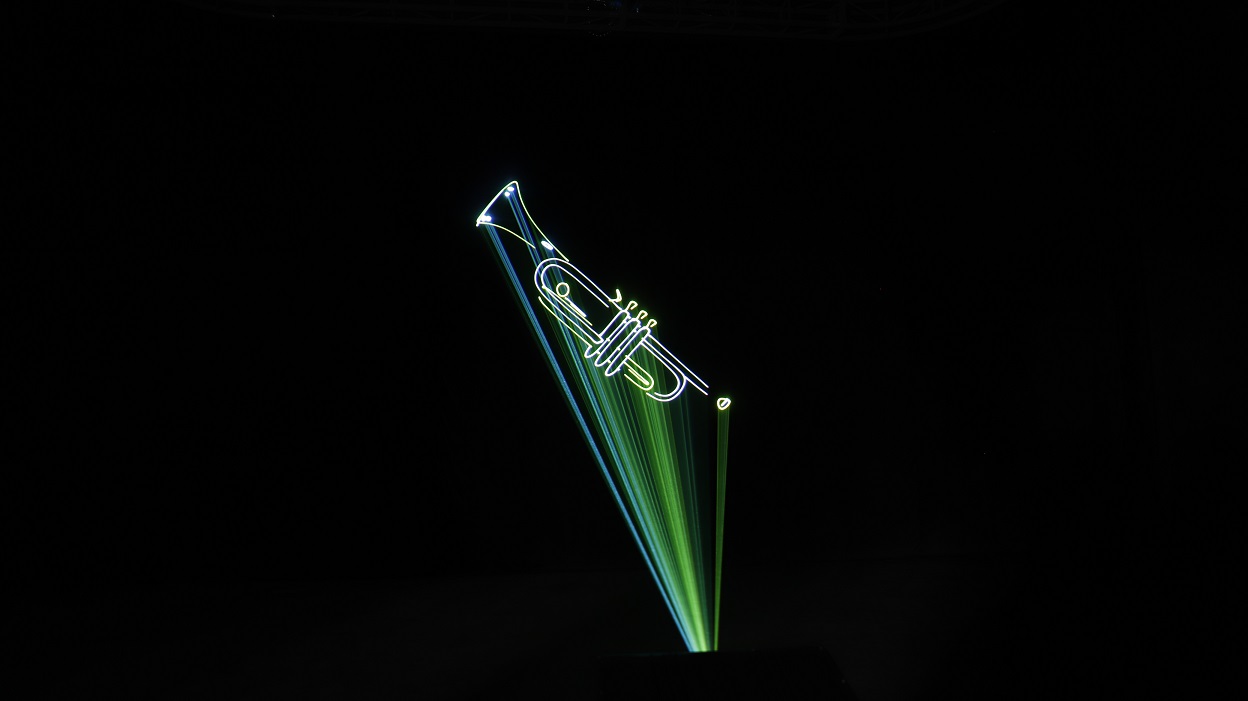
Picture a packed hall, the bass a steady drum, the air a thin silver fog. A DJ laser light slices the space with clean geometry, and the floor leans into the beat. In events research, planners report that more than two-thirds of audience recall links to moments marked by lighting accents, timing, and color cues. Yet choices feel muddied by specs, safety notes, and price tiers—funny how that works, right? So, what separates a flash of novelty from a scene that holds the room, minute after minute (and keeps the venue manager calm)? Let us compare, across craft and cost, what matters most and why it often gets missed. To set the stage, we move from the floor to the fixtures, then back to the people who stand under their beams.
Hidden Friction in Professional Choices
What trips buyers up?
For many, the hunt for professional DJ laser lights begins with headline numbers: wattage, color mixing, and control ports. But real use is more exact. DMX512 patches can clutter a show file and mask timing drift. Beam divergence shifts how bright lines look at distance, so a mid-power unit can win in a big room if its optics waste less. Galvanometer scanners define how sharp a frame holds while moving; under-tuned scanners smear text and logo lines. And power converters—so humble—decide whether your rig runs cool at 3 a.m. or drops frames when mains voltage dips. Look, it’s simpler than you think: the map between spec and show is linear only on paper.

There are deeper pains. Safety interlocks sometimes assume perfect mounts; when a truss flexes, your safety zones may no longer align with human space. Mixed rigs add latency because fixtures respond to different frame buffers. In small venues, fan noise steals the quiet moments; in large halls, low haze breaks reveal jitter you never saw in the demo. Users then crank speed to “add energy,” but that can raise scan error rates—more is not always more. The fix is not only higher power; it is tighter control, smarter zoning, and cleaner paths from console to light. That is the gap most buyers feel but cannot name.
From Pain to Progress: Principles Shaping the Next Wave
What’s Next
Modern engines are moving toward three anchors: better control math, safer defaults, and leaner pipelines. New DSP blocks tune galvanometer response with real-time feedback, so frames hold shape as the tempo climbs. Analog modulation improves gradient blends for mid-air looks, while refined scan-fail interlocks watch beam dwell and shut down before risk grows. Compared to older paths, the signal chain is shorter—less jitter between controller, node, and fixture—so cues land tight. When you see sharp aerials from disco lasers even at moderate power, it is often better divergence and timing, not brute wattage. Small changes, big trust.
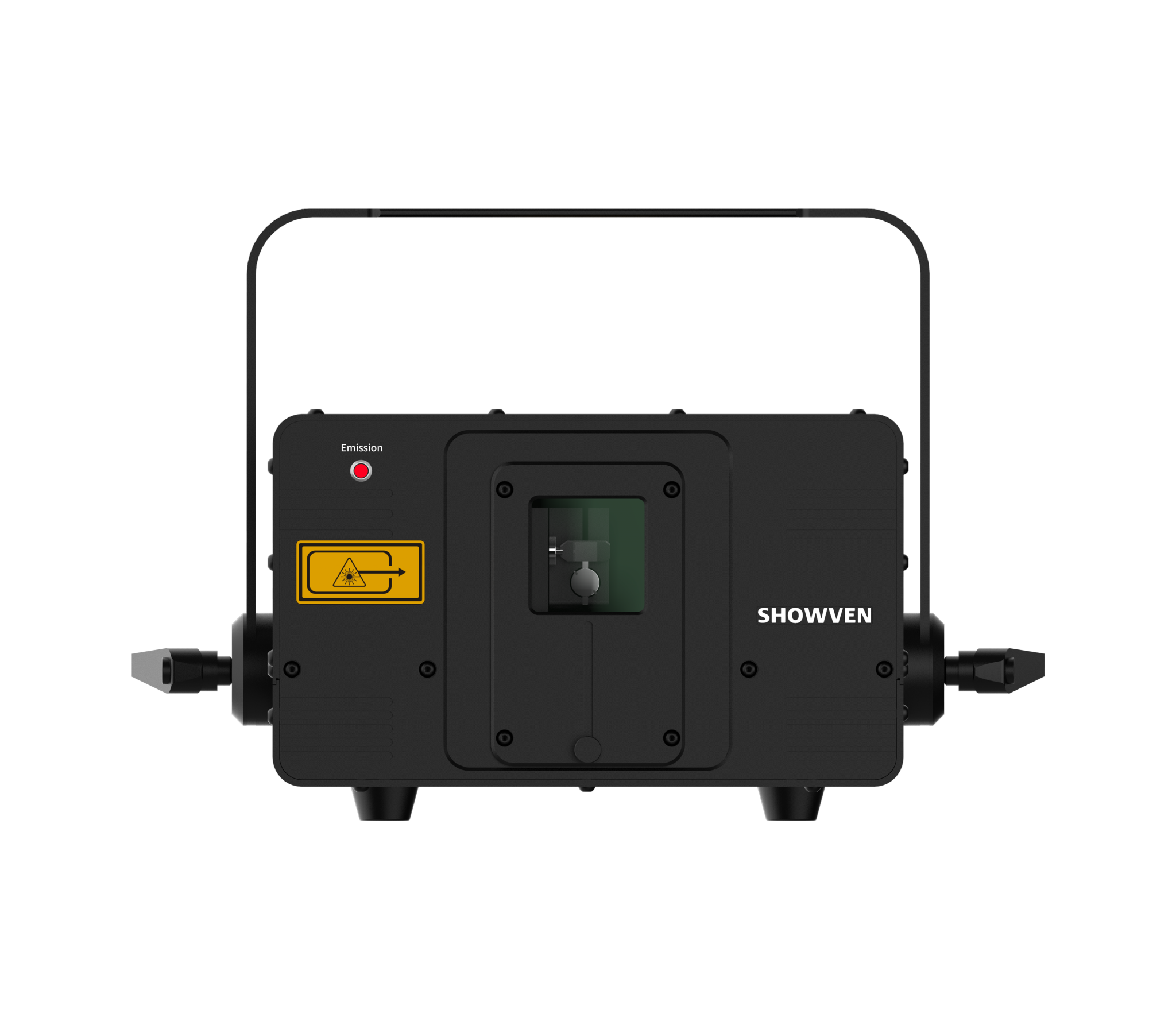
This shift is also pragmatic. Show files now carry safer start states, pre-made audience zones, and template cue stacks that honor venue height and throw distance. Auto-trim routines check scanner limits before the first beat. In brief, the tool does more guarding while staying flexible. If Part 2 mapped the traps, here we weigh what to measure next—because choice is still yours, and budgets are real. To choose well, use three clean metrics. First, brightness where it counts: output versus beam divergence at your throw (not just mW on the box). Second, motion integrity: scanner speed in kpps paired with frame hold quality at show tempo. Third, control and compliance: DMX512 or ILDA path stability, plus safety features that match your local code. With these, a single rig can scale from lounge to festival—funny how a few steady measures calm a complex set. For a deeper technical digest and product paths, see Showven Laser.