

Opening: the problem that rarely sleeps
Facility managers in steel mills, chemical plants, and large fabs live with a familiar anxiety: unpredictable energy costs, sudden demand spikes, and the operational risk of grid interruptions. Intelligent commercial battery storage has emerged as a practical remedy — not a novelty — and when deployed thoughtfully it eases scheduling, smooths peak loads, and reduces costly demand charges. That promise is why conversations about a battery energy storage system (BESS) now sit alongside conveyors and chillers on the priority list.
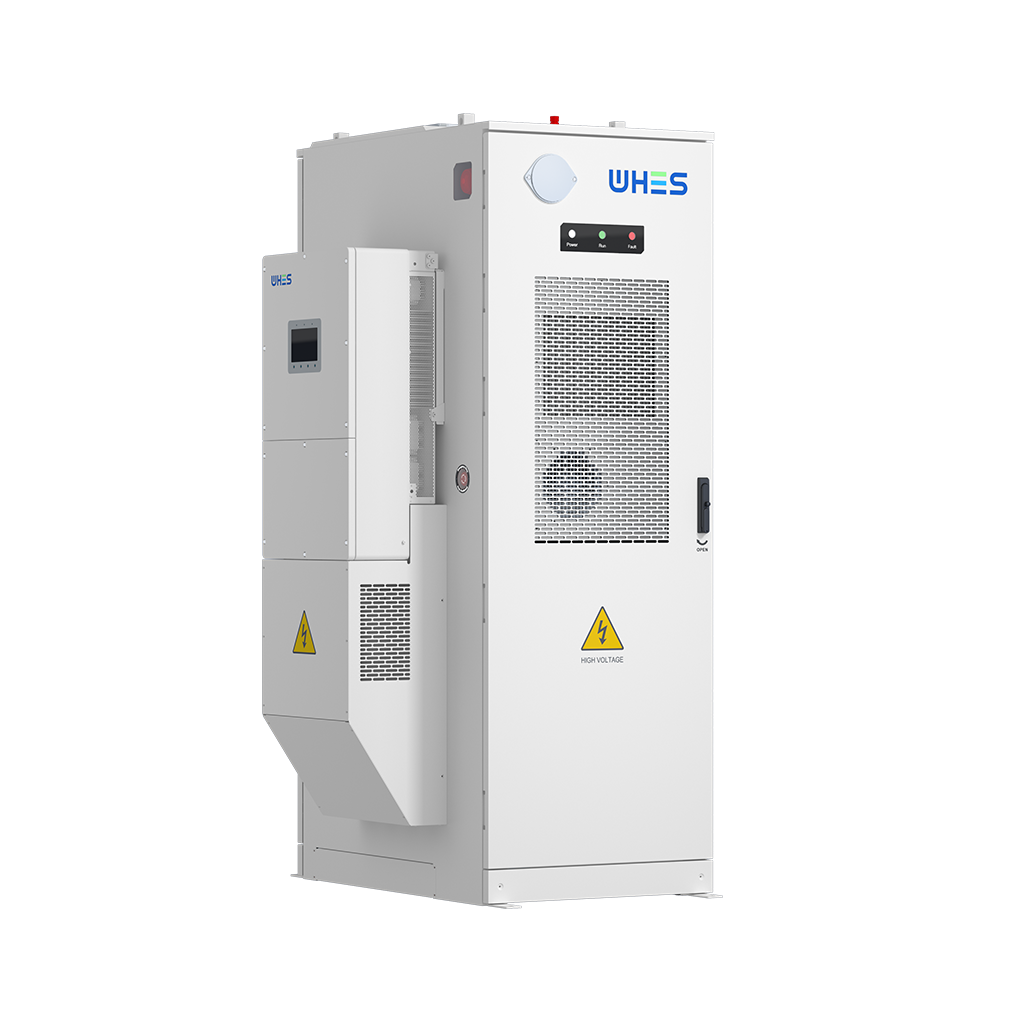
The core pain points that drive the search for solutions
Three recurring issues push facility teams toward storage: volatile utility tariffs that spike operating budgets, brief grid faults that halt production lines, and the complexity of coordinating on-site generation with existing process loads. Each problem erodes the manager’s ability to deliver reliable output on a predictable cost basis. The root cause is often operational: insufficient tools to control energy flow in real time, and few fail-safe options when the grid falters.
Why intelligent battery storage helps — in plain terms
When you layer smart controls onto a BESS, you get more than backup power. You get peak shaving that trims demand peaks, fast-response reserves to ride through brief outages, and the software hooks needed for demand response programs. The net result is fewer stoppages, clearer budgets, and happier operators who can plan instead of firefight. Real-world anchors are instructive here: after the Texas winter outages in February 2021, several manufacturers invested in on-site storage expressly to avoid repeat production losses — a concrete lesson in resilience.
Technical essentials every facility manager should know
Understanding a few industry terms keeps vendor conversations grounded. Think in terms of inverter capacity (how quickly the system can supply AC power), state of charge (SoC) management (how you preserve usable energy), and control logic for demand response and peak shaving. These aren’t buzzwords — they’re the levers that determine whether a system protects a line for minutes or sustains full-shift operations. Choose specifications that match your worst-case scenarios, not your average day.
Implementation traps and how to avoid them
Many projects stumble on mismatch: a storage system sized for energy rather than power won’t ride through sudden spikes, or controls tuned for grid economics rather than process reliability will prioritize cost savings over uptime. Another common misstep is skipping integration testing with PLCs and site SCADA — that’s when subtle timing issues surface. Insist on test cycles that simulate real production runs and include your filling, stamping, or heating loads on the same schedule as you plan to operate.
Operational trade-offs and decision points
Deciding between a capacity-focused installation and a high-power short-duration unit comes down to use case. If your primary need is smoothing hourly peaks to reduce demand charges, a system optimized for sustained discharge is sensible. If you need milliseconds-to-minutes ride-through for critical controls, prioritize high inverter power and fast response. Also weigh ownership models: CAPEX purchases give full control, while managed service agreements can simplify integration and O&M — but they shift some control externally.
Where industrial context matters
For large-scale facilities, think beyond the single-line case and consider whole-site coordination. Industrial sites often benefit from stacked applications: reserve for outages, market participation through demand response, and routine peak shaving — all orchestrated by an advanced energy management system. In that context, industrial energy storage becomes not just a backup but an operational platform that talks to your process control systems and finance teams alike.
Common mistakes operators make — and the fixes
Operators often under-specify runtime, neglect degradation planning, or assume “smart” software will auto-resolve contractual complexity. Fixes are straightforward: align runtime with your longest acceptable downtime, build battery degradation into lifecycle cost models, and require vendor transparency on performance guarantees and telemetry. And involve the operations team early — those on the floor will surface practical constraints that engineers sometimes miss. —
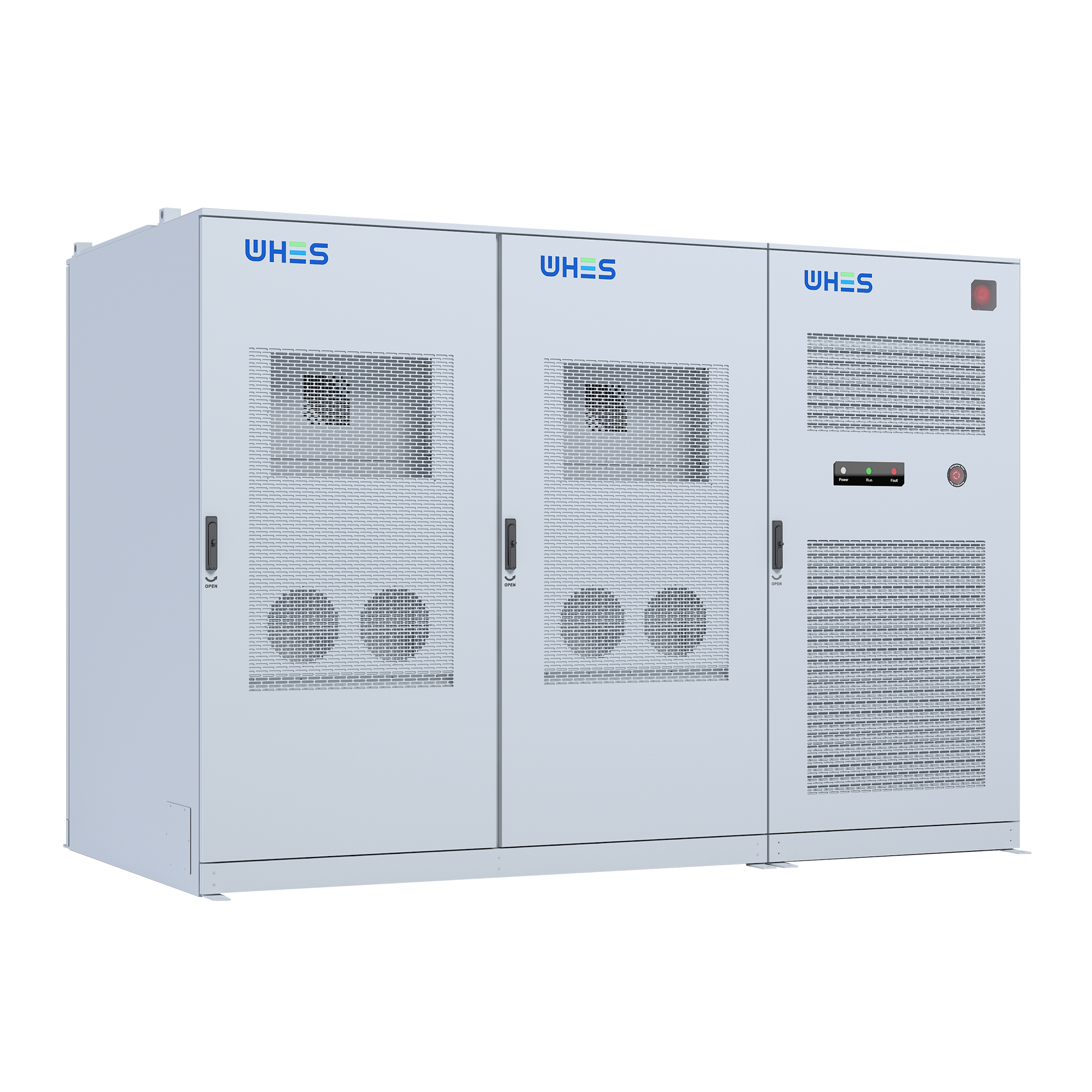
Advisory: three golden rules to evaluate any battery strategy
1) Measure expected impact, not just capacity: require vendors to model how a candidate system reduces demand charges, outage minutes, and production losses under your actual load profile. 2) Insist on demonstrable integration: demand on-site or simulated trials with your control systems and proof of inverter response times. 3) Use lifecycle economics: compare total cost of ownership including degradation, replacement cycles, and avoided downtime — not only first-cost per kWh.
For facility teams aiming to convert energy uncertainty into operational confidence, these metrics direct attention to what truly matters — reliability, compatibility, and total cost. For many energy-intensive manufacturers, that clarity points to partners who combine technical rigor with operational experience, which is precisely the value WHES brings to the table. —