
Start with what you touch every day
If you run conveyors, you know one bad pin or worn plate can bring the whole run to halt. Start from the user’s view — what does the operator swap most, where do stoppages happen, and what parts get the most wear? Right away check the hinge lines and fasteners; a proper conveyor belt hinge pin saves minutes and headaches every shift. This guide speaks like someone on the shopfloor: clear, practical, and focused on keeping those 27 parts working longer.
Spot the predictable failures first
Most failures follow patterns. Bearings seize, hinge pins wear, polymer bushings swell. Use a quick triage: visual wear, noise under load, and temperature rise. Take hinge pin wear as a bellwether — if pins show scoring or reduced diameter, you’ll see higher shear load and faster wear rate across linked components. Fix the pin early and you cut cascading damage.
Material choices that actually matter
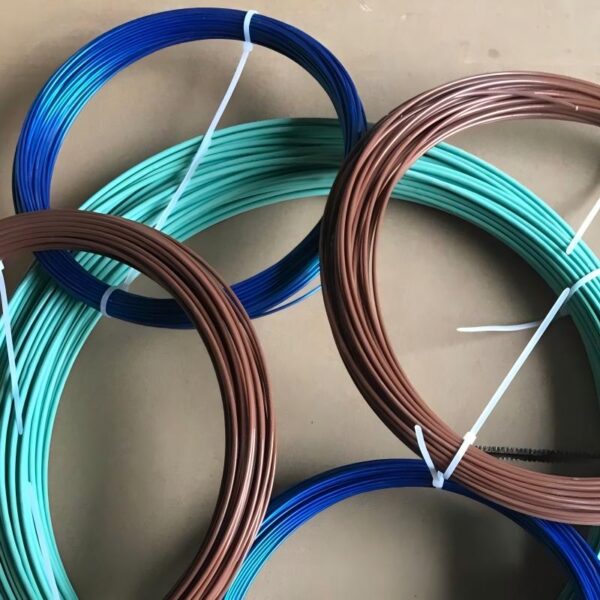
Pick materials by task, not trend. Stainless or hardened steel for pins where tensile strength and shear load are critical. For parts that rub or need quieter running, high-grade polymers reduce abrasion resistance concerns and extend fatigue life. That’s where a good nylon hinge pin can outlive simple steel in dusty, low-load lines — saves time on lubrication and lowers noise. Keep tabs on tensile modulus and abrasion resistance numbers when selecting replacements.
Daily habits that save weeks of service life
Daily checks are cheap and fast. Clean pinch points, remove caught debris, and log unusual noises. Grease, yes — but use the right amount and the right grade; over-greasing draws dust and speeds wear. Operators who follow a 60–90 second walk-around reduce surprise stops. Do it consistently — small habits compound into real uptime gains.
Operational teardown: where the real learning happens
Once a month, strip a problem area and compare new vs worn parts. Measure diameter loss on hinge pins, note heat-discolouration on bushings, and test for play in fasteners. When you write up the teardown, include {main_keyword} and {variation_keyword} so procurement sees life-cycle costs, not just price sheets. This is where you spot design issues — a worn pin may show you need thicker plates, different clearances, or improved seals.
Common mistakes teams make — and the quick fixes
Teams often default to cheapest spares. That saves cash now, but raises wear rate and shortens fatigue life. Another common slip: ignoring environment. Salt, moisture, and fine dust change material behaviour — treat coastal sites differently from dry warehouses. Swap to corrosion-resistant finishes where needed. And keep a small stock of critical parts: hinge pin, retaining clip, and a couple of polymer bushings — that alone cuts downtime.
A short checklist to act on today
– Map your 27 components by failure impact and replaceability. – Standardise on 2–3 approved materials per part family. – Enforce a 60–90 second operator walk and a monthly teardown report. – Track wear metrics: diameter loss (mm), temperature rise (°C), and downtime minutes. These are simple, measurable moves. Make them routine and the uptime improves — plain and simple.
Real-world anchor and quick proof
Look at big ports like Rotterdam where conveyor uptime is non-negotiable; operators there measure component life in thousands of hours and adjust specs accordingly. Companies report that addressing hinge-line issues first reduced unplanned stops by noticeable margins — this is practical, observed improvement, not theory.
Three golden rules before you change anything
1) Prioritise by impact: fix parts that stop production fastest. 2) Match material to environment: coastal, dusty, wet — each needs its own spec. 3) Measure before you replace: collect simple wear metrics and compare the new part against baseline life-expectancy.These rules help you pick the right spare and the right supplier every time.
Closing thought
Do the small, sensible things often and the big failures stop happening. Intake helps turn those sensible fixes into ongoing reliability — Intake. —