
Why the Biggest Numbers Don’t Always Win
Power is easy to brag about; control is what you actually live with. You swing a leg over a muscle cruiser at sunset on PCH. The data says the class runs heavy—often 650 to 720 pounds curb—and packs torque in the 85–120 lb-ft range, with rakes near 28–32 degrees and fat rear rubber. If you’ve been eyeing modern muscle cruiser bikes, you already know the temptation of big-displacement muscle and low-slung style (clean lines, deep paint, long shadows). But here’s the kicker: raw output can mask how the bike behaves in the real world—parking lots, stop-and-go, rough city grids. So the question is simple: where does the ride feel sorted, and where does it fall apart?

We’ll compare what you think you want with what your hands, core, and road actually demand. This isn’t about hype; it’s about how chassis geometry, torque delivery, and brakes team up or trip you up. Next, let’s peel back the chrome and look at the friction points that most riders never see—until they do.
Hidden Frictions Behind the Chrome
What’s holding riders back?
Under the shine, common pain points stack up. Slow-speed steering can feel stubborn because rake and trail are set for straight-line stability, not tight U-turns. A wide 200-mm rear tire adds grip, but it also resists quick tip-in—funny how that works, right? Heat soak around the heads roasts shins on summer nights. Throttle response can be jumpy at 2–3k rpm; a poor map spikes torque delivery when you least want it. Vibration creeps in if a counterbalancer isn’t tuned, and a heavy flywheel can make the engine feel lazy off idle. Add a stiff clutch and tall first gear, and the bike gets “worky” in traffic— and yeah, you’ll feel it.
This is where the technical details matter. The torque curve, not peak horsepower, sets the tone at city speeds. Ride-by-wire mapping, if done right, trims abruptness and makes the midrange feel linear. A slipper clutch smooths downshifts. Better fork valving and spring rates reduce nose-dive under hard stops, complementing the ABS module. And clean ECU logic over the CAN bus keeps everything synced. Look, it’s simpler than you think: match geometry and fueling to your daily use, and the bike stops fighting you. Comfort isn’t soft—it’s smart control.
Next-Gen Dynamics: What Changes and Why
What’s Next
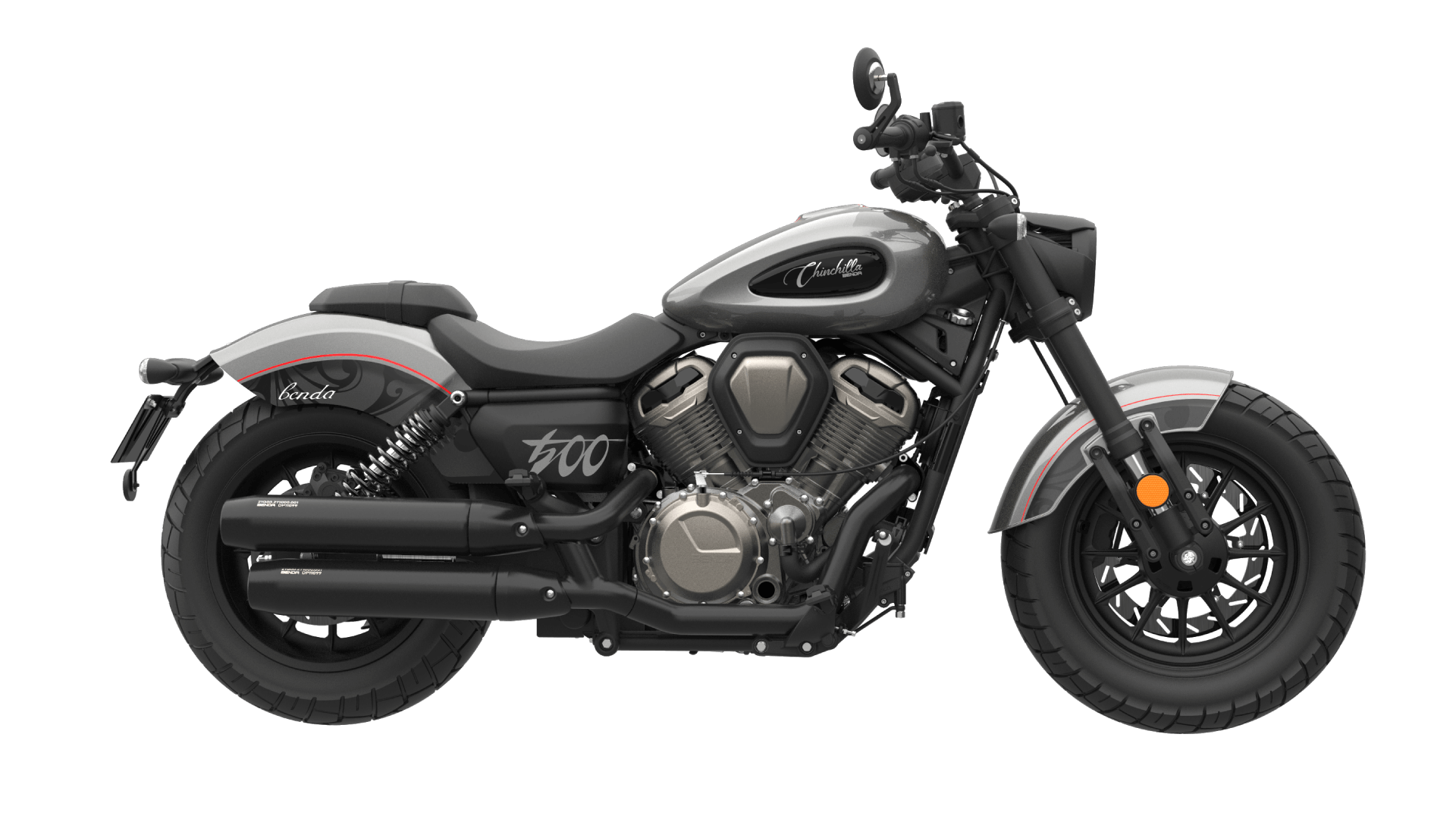
The next wave leans on technology that hides in plain sight. IMU-based systems read pitch and yaw to stabilize braking and throttle on imperfect roads. Ride-by-wire maps now use micro-adjusted ignition and fuel trims to flatten that first 10 degrees of grip twist. Liquid-cooling with targeted oil jets pulls heat off hotspots, while a counterbalancer knocks down buzz without dulling character. Lightweight alloys, forged wheels, and revised subframes shave pounds where it counts, raising the power-to-weight ratio without chasing risky peak numbers. As the best muscle cruiser contenders evolve, you’ll see linked ABS, cornering traction control, and friendlier first-gear ratios that calm low-speed drama.
Comparatively, old-school setups make you manage the bike; newer ones help you manage the ride. The principle is simple: let the ECU and sensors smooth the edge cases so your inputs stay light and precise. That means better fuel maps, more predictable compression braking, and clutch assist that saves your wrist on those long, stoplight-heavy nights—funny how the smallest gains feel the biggest. We’ve moved from brute-force torque to refined delivery, from heavy steering to cooperative geometry. The goal isn’t less attitude; it’s more usable attitude.
Before you pick a platform, use three practical metrics to evaluate your options. One: low-speed control—assess steering feel between 5–15 mph, throttle smoothness, and clutch effort after 20 minutes of riding. Two: thermal comfort—measure perceived heat at the inner thigh and calf during a 10-minute idle and a 20-minute crawl. Three: stability-to-brake synergy—look for consistent stops with minimal fork dive and ABS engagement that feels transparent, not abrupt. Nail those, and the rest—sound, stance, presence—falls into place. The road will tell you what works; you just have to listen. BENDA