
Problem Overview — Why these hybrids keep failing
The problem is simple and urgent: hybrid power systems combining diesel gensets and battery banks run on paper that never meets reality. Components arrive with labels, but wiring diagrams get amended on the fly; commissioning reports omit thermal margins; maintenance logs live in spreadsheets nobody opens. When a site depends on a 125kW commercial energy storage inverter for load sharing, a single undocumented setting change can cascade into generator overload, unexpected shutdown, and hours — sometimes days — of blacked-out work. Field teams I’ve worked with, after two decades auditing remote industrial sites, report the same root causes: weak documentation, ignored interface specs, and assumptions about control behavior.
Root causes and immediate consequences
Problems recur because they’re allowed to. Common, repeatable failures include:- Control setpoint mismatches between diesel governor and battery inverter that cause hunting and fuel-wasting cycling.- Inadequate thermal protection and ventilation for power electronics, especially when SiC semiconductors run hotter in constrained enclosures.- Missing verification of protective relay coordination, so one fault trips the battery while the diesel keeps feeding the fault.Each failure produces measurable outcomes: equipment damage, extended downtime, safety incidents, higher fuel burn, and unpredictable peak demand that penalties grid contracts. These outcomes are preventable with strict standards and disciplined documentation.
Technical focus: power electronics and the SiC shift
The move to silicon carbide switches changes the rules. Faster switching, higher efficiencies, and smaller passive components improve performance — and tighten tolerances. Real-world demonstrations, such as NREL field trials of SiC-based power electronics, show improved density but require stricter thermal management and revised EMC practices. You must treat a sic based inverter like a different class of asset: same role on paper, different failure modes in practice.
Standards and documentation that actually prevent collapse
Standards matter when they’re used as living tools, not checkboxes. Create a documentation set that enforces repeatable, verifiable steps:- Commissioning dossier: single-source PDF with configuration snapshots, firmware versions, serial numbers, signed test results for load share and island-to-grid transitions.- Interface control document (ICD): wiring, signal mapping, and explicit control handover logic between diesel governor, BMS, and inverter.- Thermal and EMC report: measured enclosure temperatures under worst-case ambient, vibration checks, and EMI tests at switching frequencies.- Protection coordination sheet: relay time-current curves and confirmed trip boundaries for faults on feeders and within the battery.- Service log protocol: timestamped entries, who-changed-what-and-why, plus rollback procedures and archived configuration backups.Keep these documents version-controlled and pinned onsite—digital copies alone are not enough where connectivity fails.
Safety practices that workers will follow
Safety is procedural and brutal: it must remove ambiguity. Implement these enforceable practices:- Lockout-tagout flows for hybrid transitions that require two-person verification before manual mode changes.- Pre-shift inverter checkout: automated self-test followed by a human verification of key parameters (DC voltage, insulation resistance, cooling fan RPM).- Fault drills that simulate inverter and genset failures together to exercise protection coordination and operator response.Train to the checklist until the checklist prevents improvisation. When crews understand consequence maps—what a misset parameter does to fuel consumption, arc flash risk, or grid penalties—they stop guessing.
Common mistakes and how to fix them
Mistakes repeat because they’re easy. Fixes are not glamorous but they work:- Mistake: Treating firmware upgrades as optional. Fix: Require simulated upgrade in lab with rollback plan before field deployment.- Mistake: Leaving control logic undocumented after tuning. Fix: Versioned snapshots stored in the commissioning dossier and mandatory sign-off for every adjustment.- Mistake: Assuming passive cooling is enough for compact SiC modules. Fix: Measure under worst-case ambient and redesign airflow before commissioning.These fixes force predictable behavior and remove the mental shortcuts that lead to catastrophe.
Alternatives and practical comparisons
Deciding between a legacy IGBT-based inverter and a SiC-based inverter is never purely technical. Compare on these grounds:- Thermal margin and enclosure cost: SiC may need more robust cooling; factor in fan redundancy and airflow paths.- Control latency: SiC systems react faster; control loops must be retuned to avoid instability when paired with slow diesel governors.- Lifecycle fuel and maintenance: SiC typically reduces losses and fuel draw, but only if installed with proper protection and documentation.Choose based on site constraints, not vendor claims. Pilot a single bay, run fault scenarios, and read the commissioning dossier like a legal document before you scale.
Checklist before you sign off
Make these signoffs mandatory for every hybrid site:- Confirmed ICD and signed commissioning dossier.- Thermal and EMC measurements recorded and within limits.- Protection coordination verified by staged faults.- Firmware, configuration snapshots, and rollback plan archived with timestamps.- Onsite stamped service logs with at least two trained operators who passed a live fault drill in the last 90 days.This checklist prevents gray-area decisions that lead to system collapse.
Synthesis — what prevents the next disaster
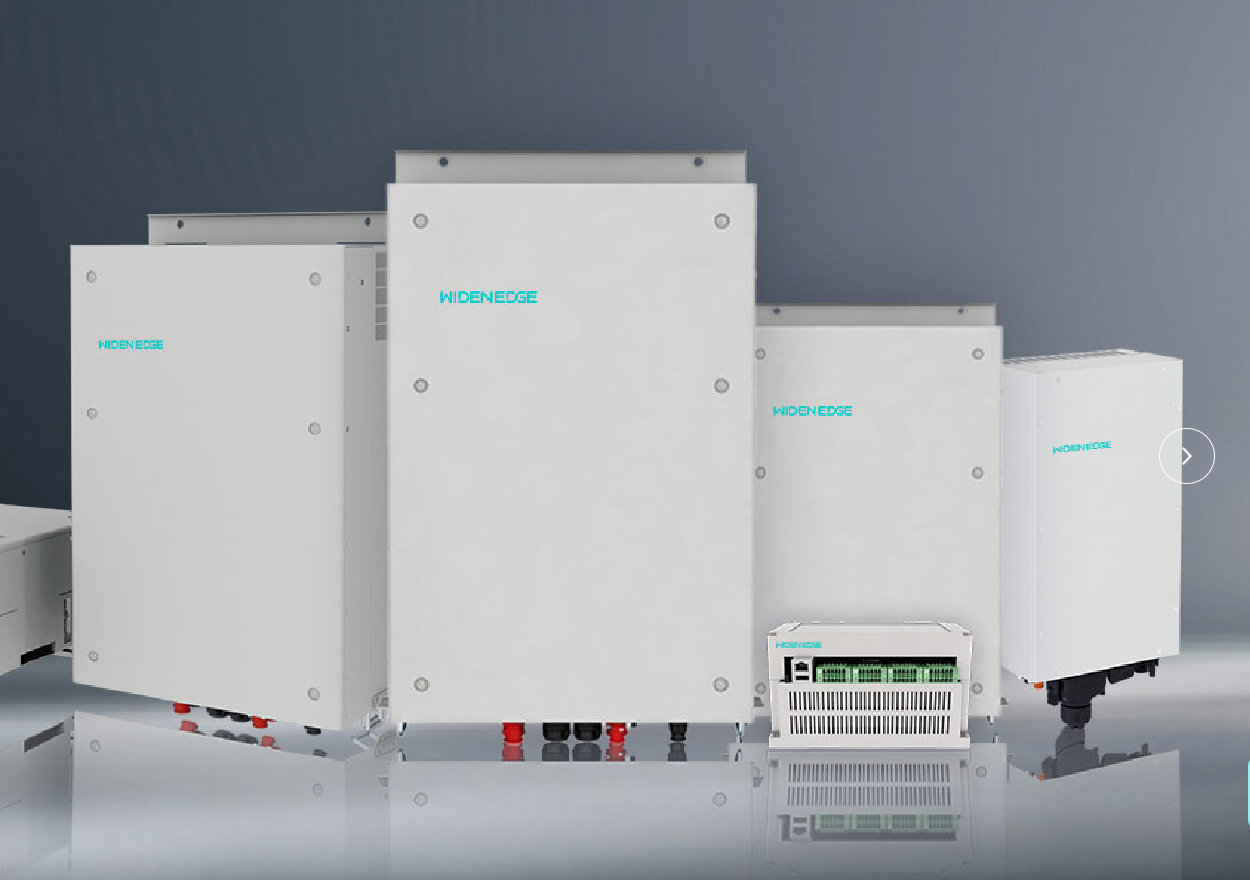
When standards are lived through rigorous documentation and enforced safety practices, hybrid systems behave predictably. The danger lies not in technology but in sloppy humans with complex equipment. Tighten the paperwork, tune the controls with honest testing, and train crews on precise procedures. That discipline turns a fragile assemblage into a dependable system—a practical truth I’ve confirmed in long commissioning cycles and hard lessons on remote projects. The assurance you need isn’t a slogan; it’s the record of tests, the right inverter choices, and the constant practice of doing the obvious things correctly—qualities you’ll find reflected in the approach of WidenEdge.