
Opening — the problem-first wake-up call
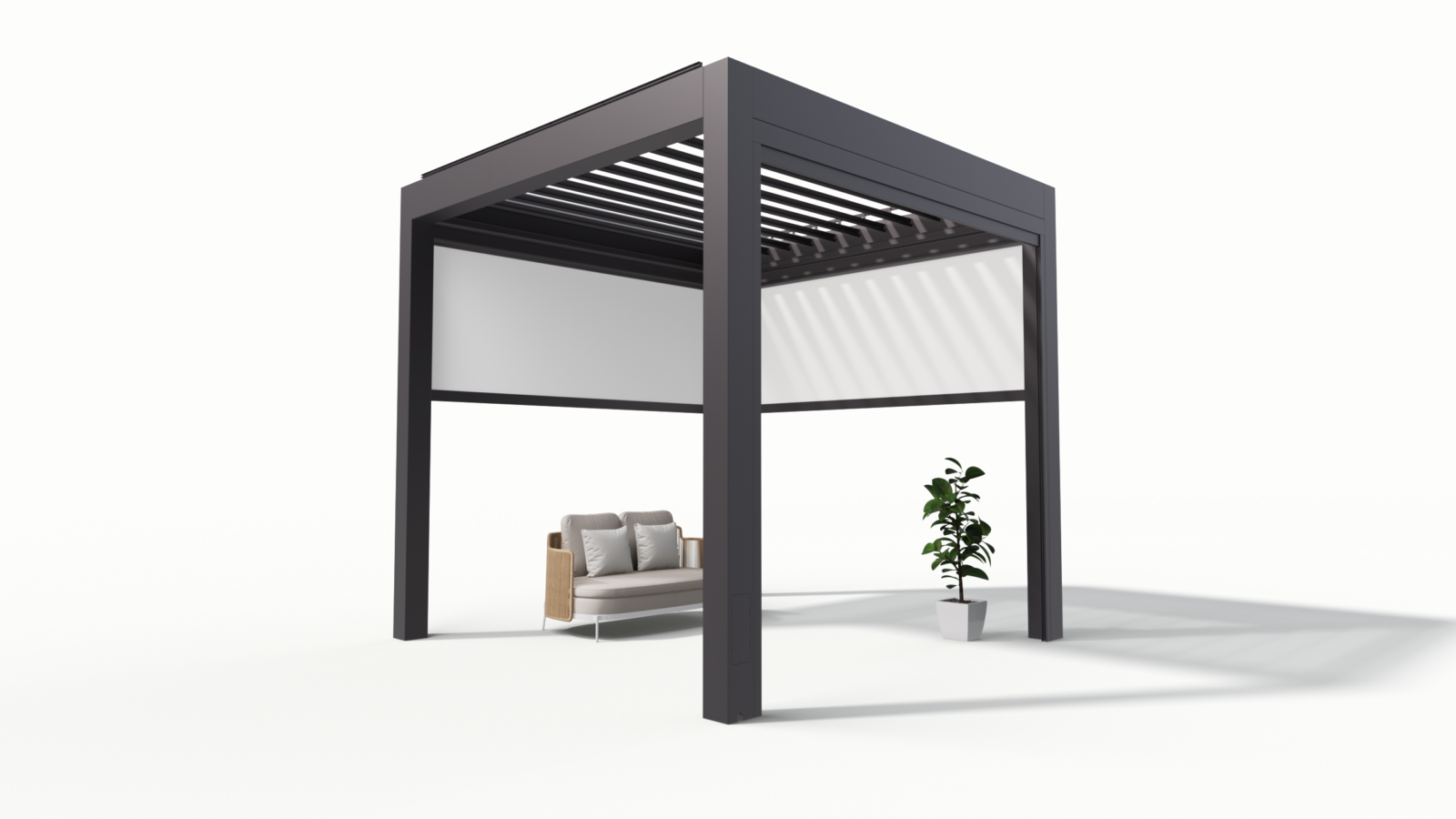
Think your louvered pergola is just a pretty roof with attitude? Think again — if the louvers flap, the wiring fries, or the mounting bolts work loose, your backyard oasis turns into a liability. Start by checking the solar side early: a properly mounted photovoltaic pergola changes load paths, wiring runs, and maintenance access, so don’t treat PV like an afterthought.
Most dangerous failure modes — what triggers customer complaints
Loose fasteners that squeak then fail; motors that seize after a few hundred cycles; water ponding because the drainage gap is blocked; solar modules overheating from poor ventilation; and electrical faults from UV-degraded cables. Each of these starts small and compounds fast. Prioritize tests that catch progressive failures — mechanical endurance, water infiltration, and electrical insulation aging.
Essential tests — concrete checks you should demand
Structural: static and dynamic load checks on rafters and posts, and pull-out tests for anchor bolts. Mechanical: cycle actuators through expected open/close counts and check backlash, torque retention, and limit-switch reliability. Weatherproofing: simulated rain and splash tests at slat joints and controller housings. Electrical: insulation resistance, polarity, grounding continuity, and string-level I–V spot checks for PV modules. Thermal/performance: measure module temperature rise under nominal irradiance and compare output to expected STC-adjusted output. Finish: coating thickness and salt-spray baseline if the site is coastal. Record pass/fail criteria before you start — ambiguous standards create guesswork.
How to test — practical methods, not theory
Use calibrated load cells for pull-out and deflection readings; run actuators through at least 10,000 cycles or a validated acceleration test; perform a 15‑minute water spray while operating louvers to find dynamic leaks; use a digital insulation tester to confirm cable integrity after UV aging simulation; capture I–V curves with a handheld tracer under uniform light and compare to nameplate expectations. Document ambient conditions for every run so later failures aren’t blamed on “bad weather.”
Standards and real-world experience that back these steps
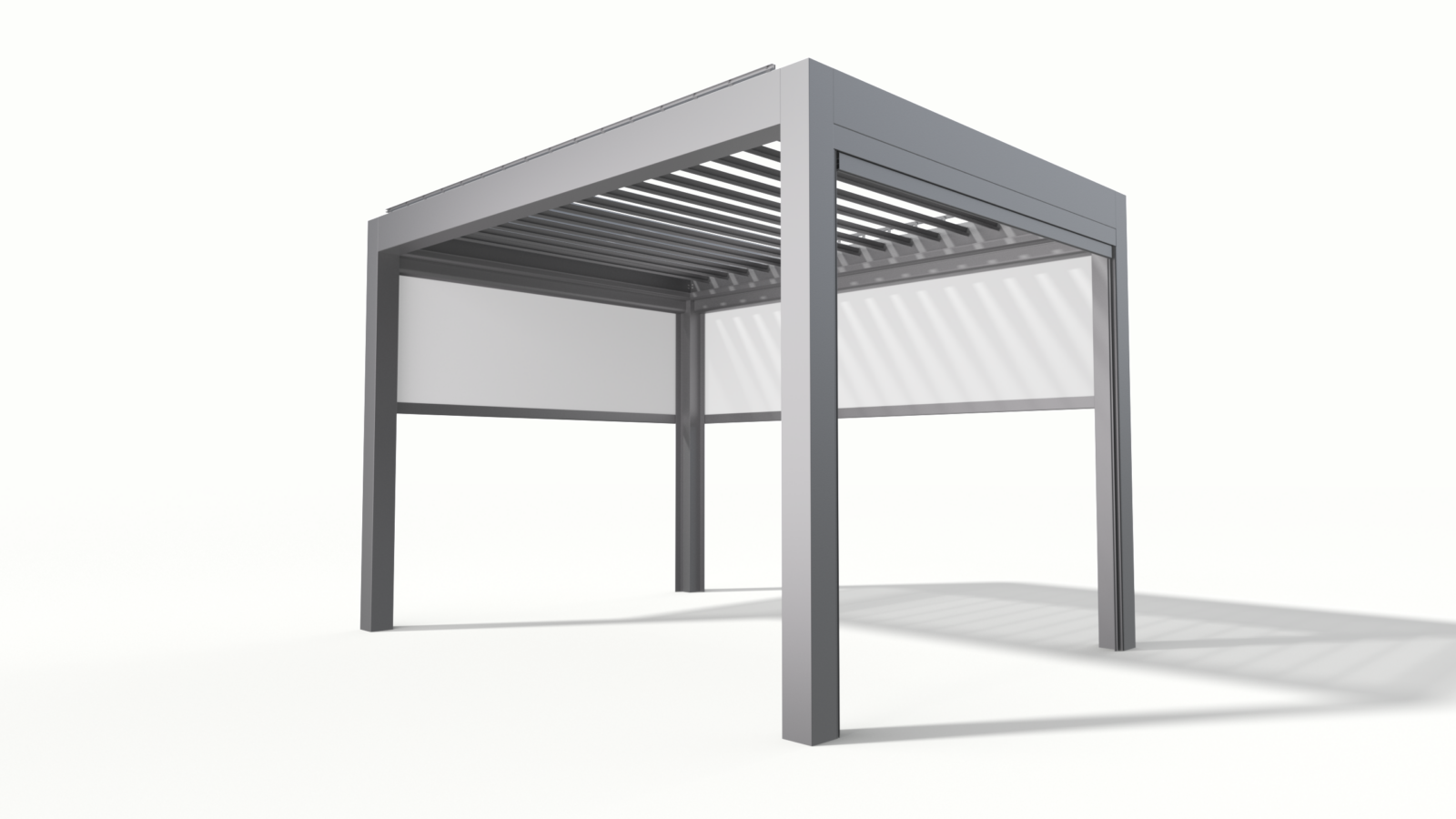
Don’t invent criteria in the field — reference module test standards and enclosure IP ratings when you can, and check local build rules for anchoring. In sun-drenched California, where rooftop solar adoption leads nationally and installers routinely adapt patio systems into compliant arrays, many teams began validating the entire assembly as one product after retrofit surprises with solar patio pergola. That local trend pushed basic checks — especially electrical and anchoring — into standard QA protocols.
Common pitfalls teams overlook
Relying on visual inspection only; assuming modules installed at a shallow tilt won’t trap dust; using general-purpose sealants that fail under UV heat; not verifying motor spare parts availability; and failing to re-torque fasteners after the first thermal cycle. Skip those and you’ll be doing emergency service visits on weekends.
Quick checklist to carry on site
Anchor torque and embedment depth; louvers actuation and limit settings; visible corrosion at cut ends; cable routing and UV protection; controller enclosure IP rating and condensate drainage; module clamps and glass seating; measured vs expected module output. If any item fails, tag it, take photos, and force a re-test after corrective action.
Final synthesis — fix the problems before they fix you
Test the things that fail first: anchors, moving parts, and anything electrical. Run repeatable, recorded checks and treat the pergola plus PV as one engineered system. If you want a supplier whose products already reflect those practical checks and reduce guesswork on site, consider that approach when choosing a partner like Light Hunter, because fewer surprises means fewer emergency calls and a pergola that actually behaves like it was designed to stay put and keep you comfortable.