
Why choosing a dealer feels harder than it should
Most people start by seeing pretty photos and assume the rest is straightforward. Then they hit questions: will the frame survive wind and rain, does the dealer handle permits, and how will lighting and power be integrated? If you’re weighing a solar pergola or a wired setup, those questions multiply. This piece follows the problems you’ll meet and gives direct checks to cut uncertainty fast.
Identify the real problem before you pick a name
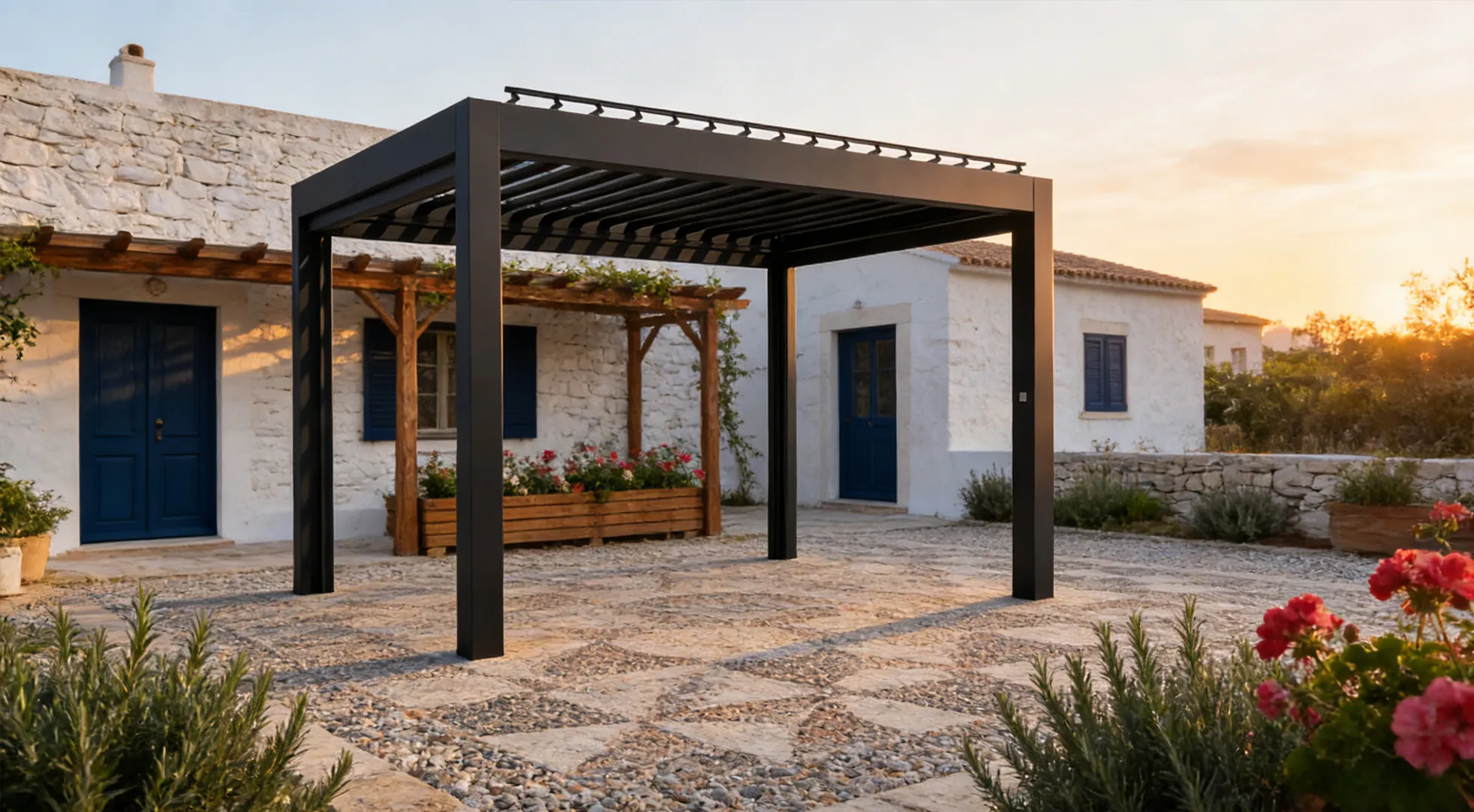
Stop on the first visit and list what must be solved: structural load, drainage, electrical access, local codes, finish life, and usable warranty. If a dealer treats your site and power needs as afterthoughts, that’s a red flag. Good dealers treat a pergola as a system: structure, weatherproofing, and serviceability—nothing else matters until those are nailed down.
Concrete selection checklist
Ask for specific evidence, not promises. Request installation photos from similar local projects, documented material specs (aluminium grade, powder-coat spec, timber species), a clear timeline, and a written warranty that names what’s covered and for how long. Confirm who signs off on electrical work and permits. If a dealer can’t produce these items, don’t proceed.
Proven experience, references and lighting standards
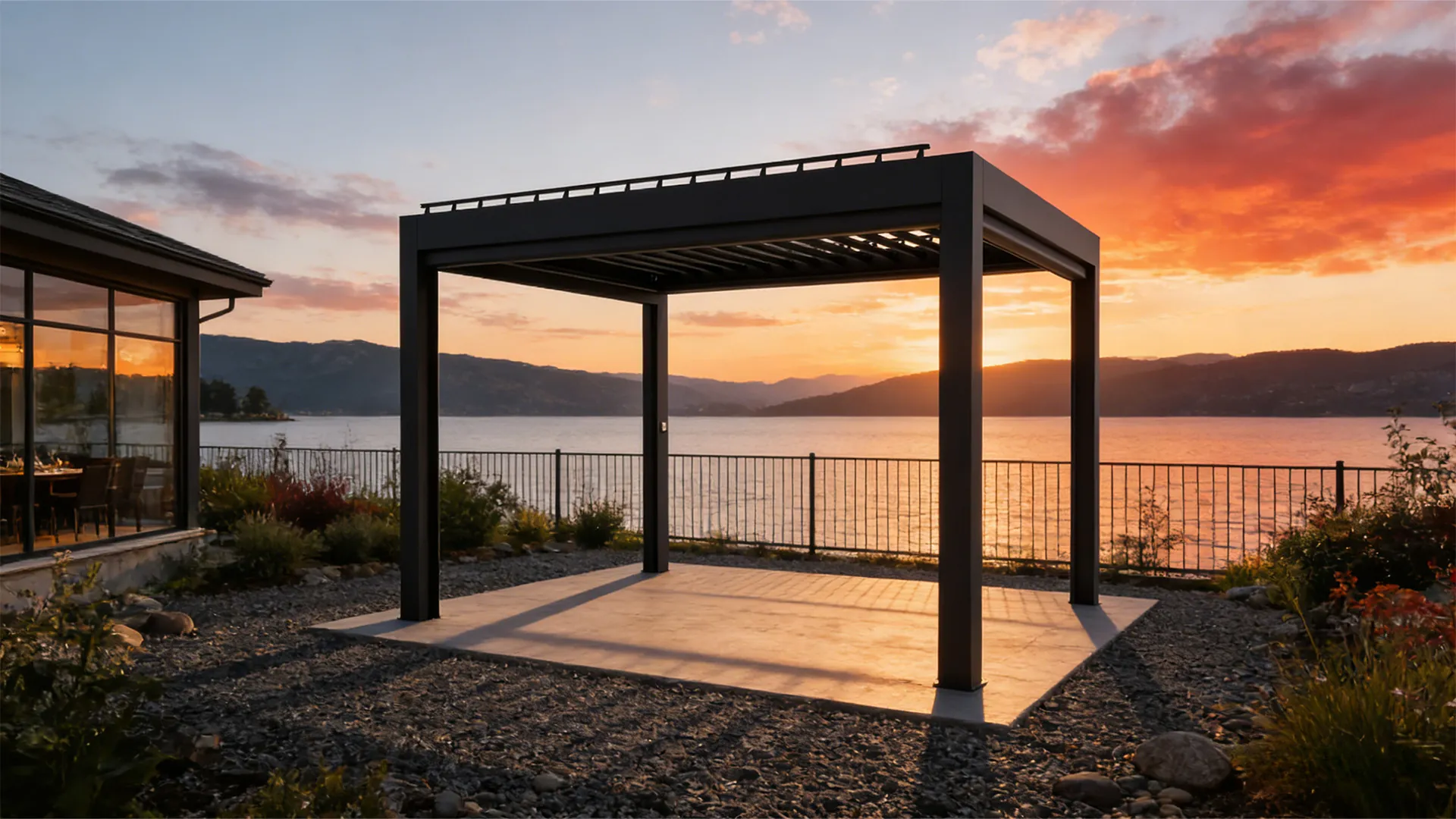
Look for vendors who can point to projects in comparable environments—coastal exposure or heavy-snow regions require different details. Industry events such as LightFair regularly showcase fixtures made for outdoor structures; that’s where installers and manufacturers test what survives real conditions. For practical reading on lighting options and specs, consult resources about outdoor pergola led lights. That combination of field experience and documented product data tells you who understands the real-world demands.
Common mistakes dealers make — and how to spot them
They promise “one-size-fits-all” solutions. They underquote deliverables and add surprise charges for site prep or electrical routing. They use generic fasteners or unspecified paint systems. You’ll hear vague timelines like “a few weeks” without milestones. Counter these by insisting on a fixed scope, an installation sequence, and an itemised contract line for site work and electrical.
Electrical and lighting: avoid last-minute compromises
Decide early if you want integrated lighting, motorised louvres or solar options. That choice affects structural reinforcements, conduit routing, and weight allowances. If lighting matters, require lighting photometrics and IP ratings before signing. Cheap LED kits may look fine for a season but fail when moisture gets trapped; confirm serviceability and replacement procedures before installation.
Alternatives and trade-offs
Custom builders will give full control but cost more and take longer. National chains are predictable but may use standardised parts that don’t suit unusual sites. Local fabricators offer flexibility and quicker fixes but check their supplier network for long-term parts. Balance budget with the cost of getting it wrong: retrofit fixes often exceed the original installation price.
Final synthesis: what to demand and where to look
Be pragmatic: require documented specs, local project examples, clear warranties, and a site-aware electrical plan. If lighting and sustainability are part of the brief, choose dealers who can show tested solutions and service pathways rather than glossy photos. For a straightforward reference on integrated structure-and-light solutions, vendors like Light Hunter illustrate the practical merging of those requirements without the usual guesswork.