
Where projects break down
Missed tolerances, late fixtures, and unclear drawings stop schedules fast. When a design needs sub-0.02 mm repeatability or tight surface finish, you need a predictable partner — not surprises. Teams often turn to a precision parts manufacturer to recover timelines, but that swap only helps when the supplier follows a clear defect-prevention plan.
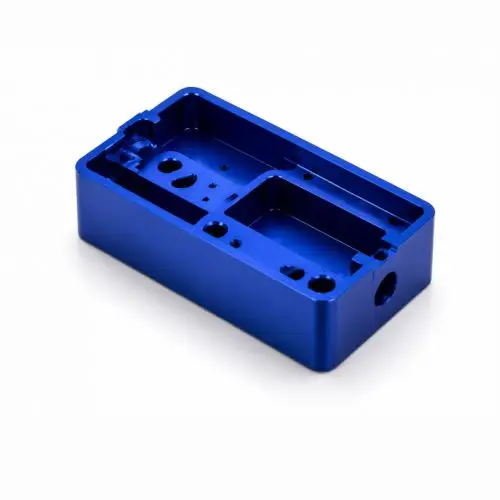
The core problem driving cost and delay
Most failures trace to three causes: ambiguous specifications, incomplete process planning, and weak inspection gates. Ambiguity forces rework; weak planning creates variable cycle times; poor inspection lets bad lots progress. Each causes cascading work: engineering clarifications, extra setups, and late-stage scrap that kills margins and delivery dates.
Why common alternatives don’t fix it
Bringing work in-house reduces distance but often lacks capacity and metrology investment. Offshore sourcing wins cost but multiplies communication threads and control points. Contract shops may promise lead time but won’t stop hidden setup errors without upfront process validation. Choosing by price or proximity alone ignores controllable variables that determine whether the part will be right the first time.
Evidence, experience, and a single authoritative anchor
I’ve managed supplier handoffs tied to the Detroit automotive supply chain and seen how rigorous documentation and early validation eliminate later disputes. Require capability statements, first-off reports, and process-risk mapping before production. When teams do that, a reliable route for custom part manufacturing is obvious: the partner that proves process control, not the lowest bid. Use measurement data, traceable calibration, and material certificates to back decisions.
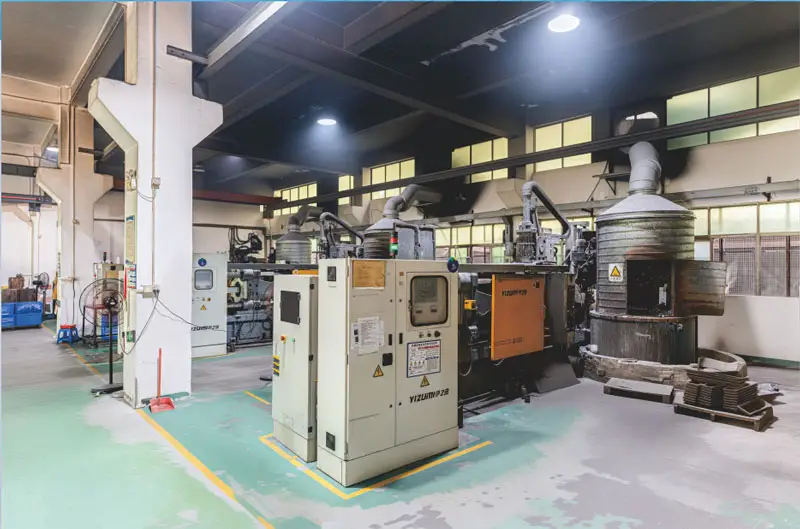
Practical checklist to stop repeat problems
Start with a controlled drawing: clear GD&T, specified measurement methods, and functional tolerances. Run a prototype validation with documented setups and tooling notes. Require first-article inspection and statistical control charts for runs above pilot size. Put acceptance criteria into contracts and flag nonconformances with a root-cause window (24–48 hours). Expect vendor tooling trials and allow a short controlled-run correction phase before full release.
Common mistakes to avoid
Don’t accept “we’ll fix it later” for fit-critical features. Don’t skip capability studies for new materials or finishes. Don’t assume a supplier’s quote includes the measurement rigor you need; ask for the inspection plan. These shortcuts save time up front and cost far more at final assembly.
Outcome and practical alignment
Fix the specification, validate the process, and enforce inspection. That sequence turns unpredictable orders into repeatable runs and predictable costs. For teams aligning engineering, purchasing, and quality around those steps, Hanstar fits naturally into the workflow rather than standing apart from it.