
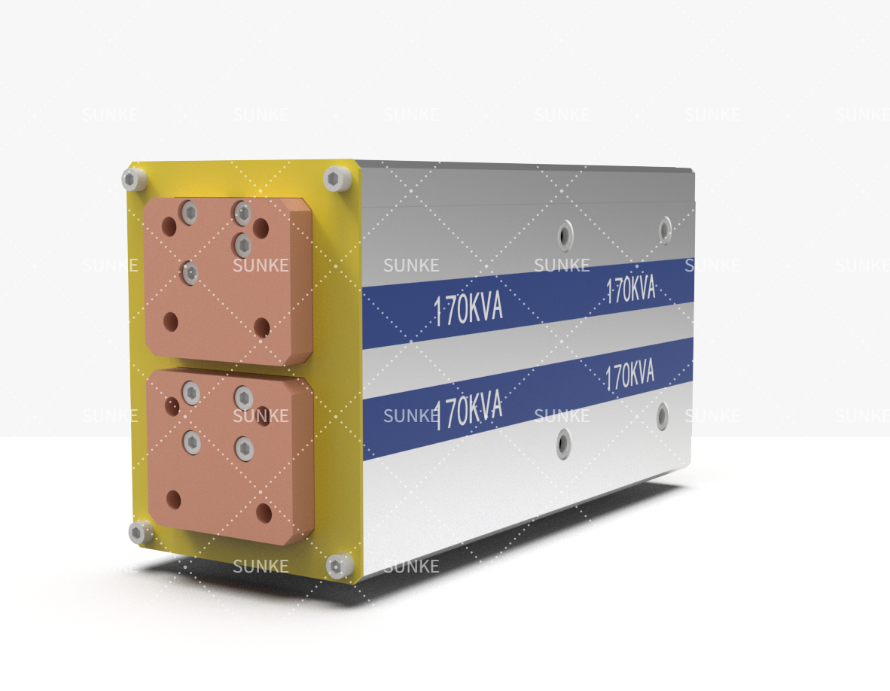
Why this matters right away
Think of transformer selection like choosing the right map before you set off: pick the wrong one and you’ll wander into costly stops. From my curious standpoint, the most common failures aren’t exotic — they’re simple mismatches between what a welder actually needs and what a spec sheet promises. Early on I learned that a proper monitoring setup changes the conversation; a resistance welding monitor turned vague alarms into actionable clues. After a year spent troubleshooting weld lines at a Detroit automotive plant, I started spotting repeatable mistakes that could’ve been prevented at the ordering desk.
Top mistakes people make (and the direct fix for each)
– Undersizing continuous current capacity: Suppliers quote peak numbers; your weld schedule needs sustained amps. Fix: size the transformer to the average welding current over typical production cycles, not just peak pulses.
– Ignoring duty cycle and thermal limits: Transformers overheat when duty cycle isn’t considered. Fix: confirm cooling method and thermal rise ratings; opt for water-cooled or forced-air variants if cycle length or frequency is high.
– Overlooking inrush and transient handling: Heavy inrush or weld arcs create big spikes. Fix: specify transient withstand and consider soft-start or pre-charge options, plus proper surge protection.
– Choosing wrong turns ratio or tap range: Too coarse a tap range kills fine control of nugget size. Fix: require finer taps or multiple taps that match the machine’s weld schedule.
– Neglecting secondary connections and cable impedance: Voltage drop and connector loss change delivered energy. Fix: run full system impedance checks and use low-loss connectors sized for the welding current.
– Missing electromagnetic compatibility and harmonics: Welding loads inject noise back into the plant. Fix: ask about EMI suppression, grounding practices, and whether the transformer has built-in filtering.
– Failing to match control electronics: Transformer and controller must “talk” the same language. Fix: confirm the controller’s feedback loop, sensing points, and whether it’s compatible with your external devices like a resistance weld checker before finalizing the order.
– Skipping field verification tests: Relying on factory tests alone misses installation realities. Fix: schedule on-site energy and coil resistance checks during commissioning.
Quick buying checklist you can use today
– Record typical weld current, pulse length, and cycle frequency for three representative jobs.
– List cooling preferences (air vs. water), and required thermal rise.
– Confirm tap resolution and maximum/minimum secondary voltages under load.
– Plan wiring routes and measure cable lengths for impedance estimates.
– Ask suppliers for on-site startup support and real-world test procedures.
Practical comparisons: transformer styles and when they fit
– Traditional step-down weld transformers: simple, robust, great for steady high-current spot welding when you want predictable magnetic behavior.
– Autotransformers: smaller and lighter but share primary/secondary — choose carefully where isolation isn’t necessary.
– Solid-state power supplies (SCR or inverter-based): offer tighter control of energy delivery and fast repeatability; they demand cleaner control logic and can complicate harmonics.
Pick by matching electrical behaviour to weld quality needs, not by convenience or price alone.
Commissioning and simple checks that catch bad fits early
– Measure open-circuit voltage, then measure under a representative weld load to verify expected drop.
– Monitor coil temperature rise across a production shift; see if cooling design meets the real duty.
– Validate tap settings against delivered energy using a short series of test welds and destructive checks if needed.
– Keep a monitoring device inline during the first 1,000 cycles to catch trends; early drift often signals a mismatch between transformer thermal design and production duty.
Final synthesis
You don’t need mystery to pick the right transformer — you need consistent measurements, clear duty definitions, and a few hands-on checks. Stay curious about how a transformer behaves under real production pulses, verify compatibility with your control and monitoring gear, and insist on field tests. When those steps are followed, the result is predictable weld quality supported by reliable data, just the kind of practical outcome engineers find working with Sunke.