
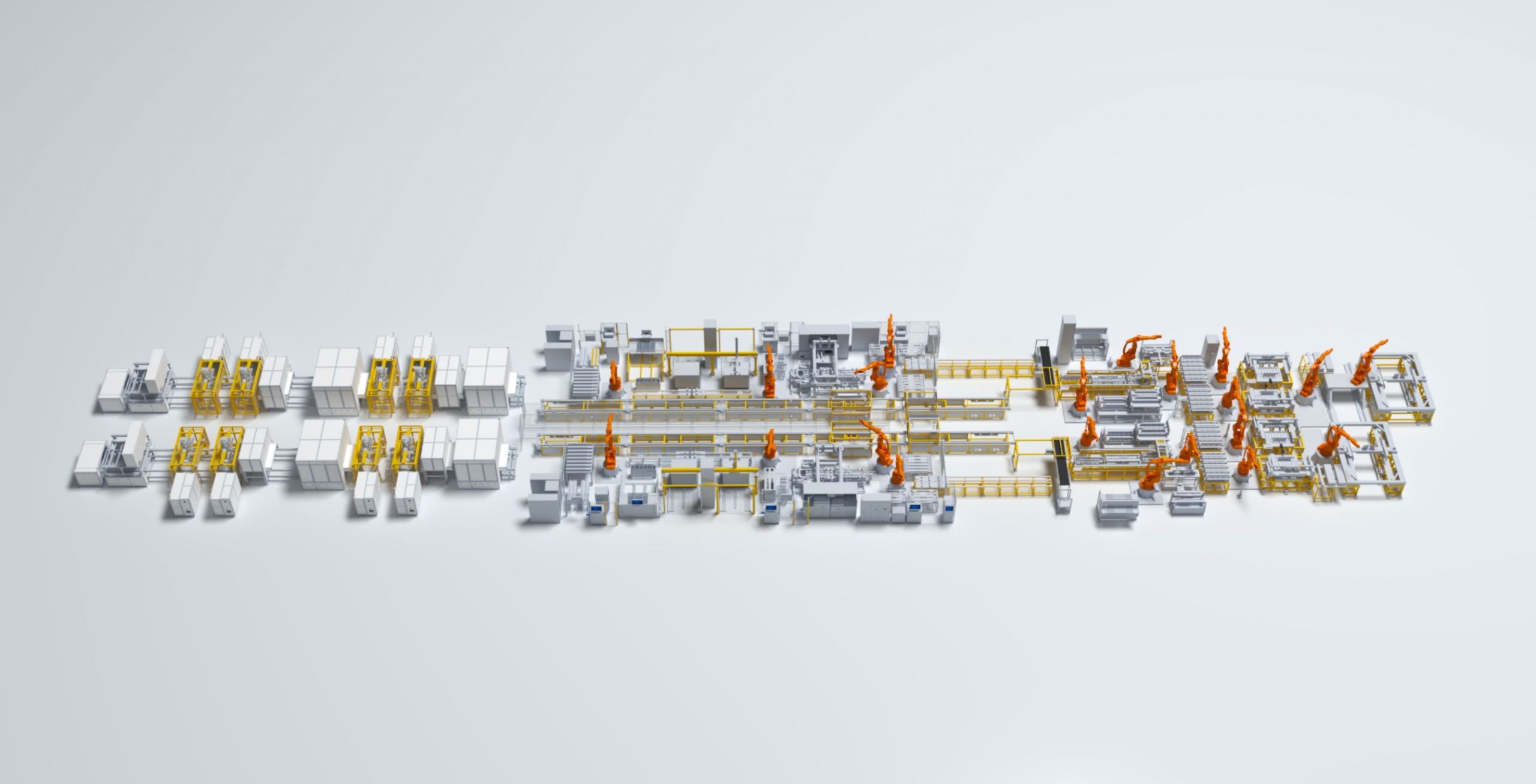
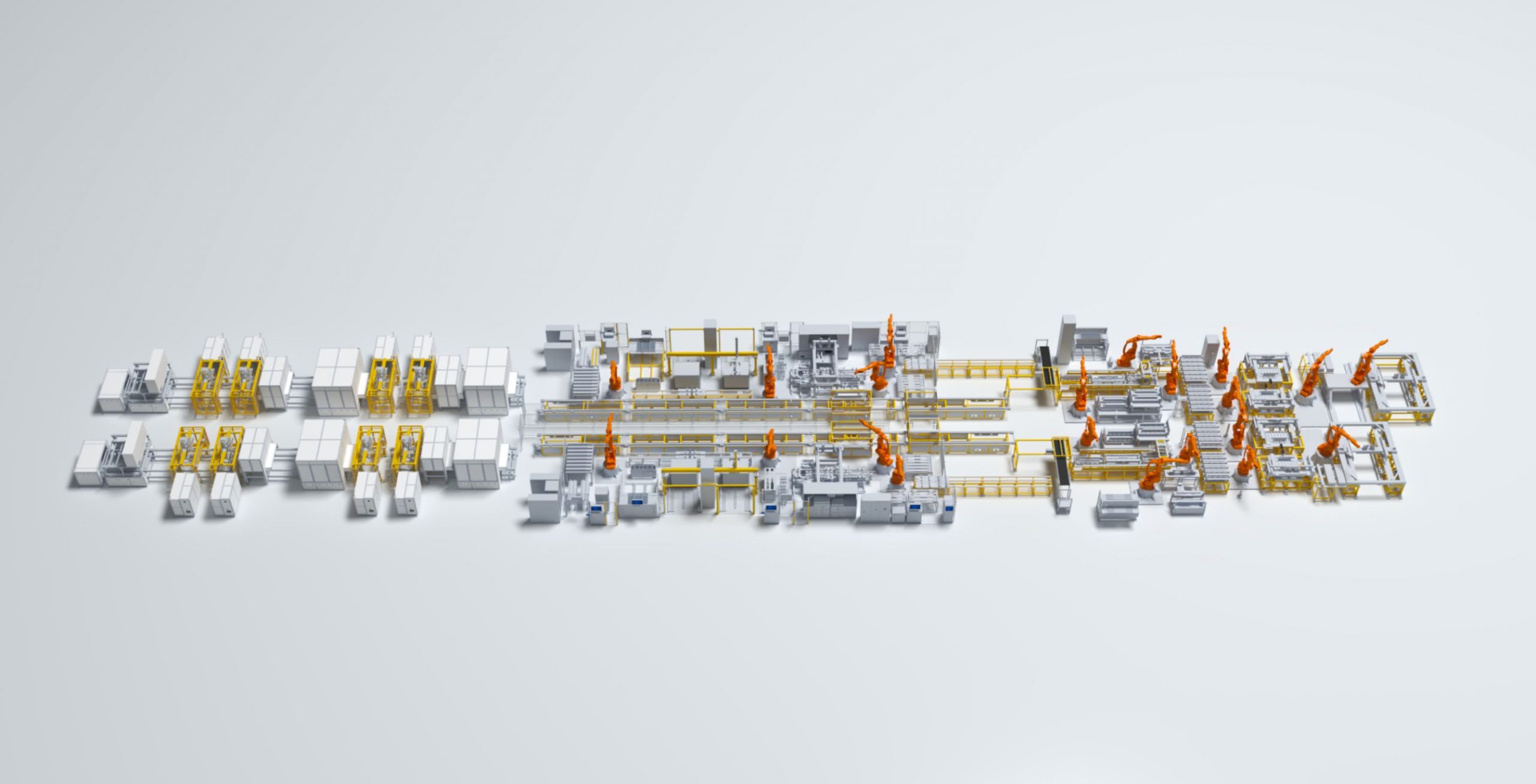
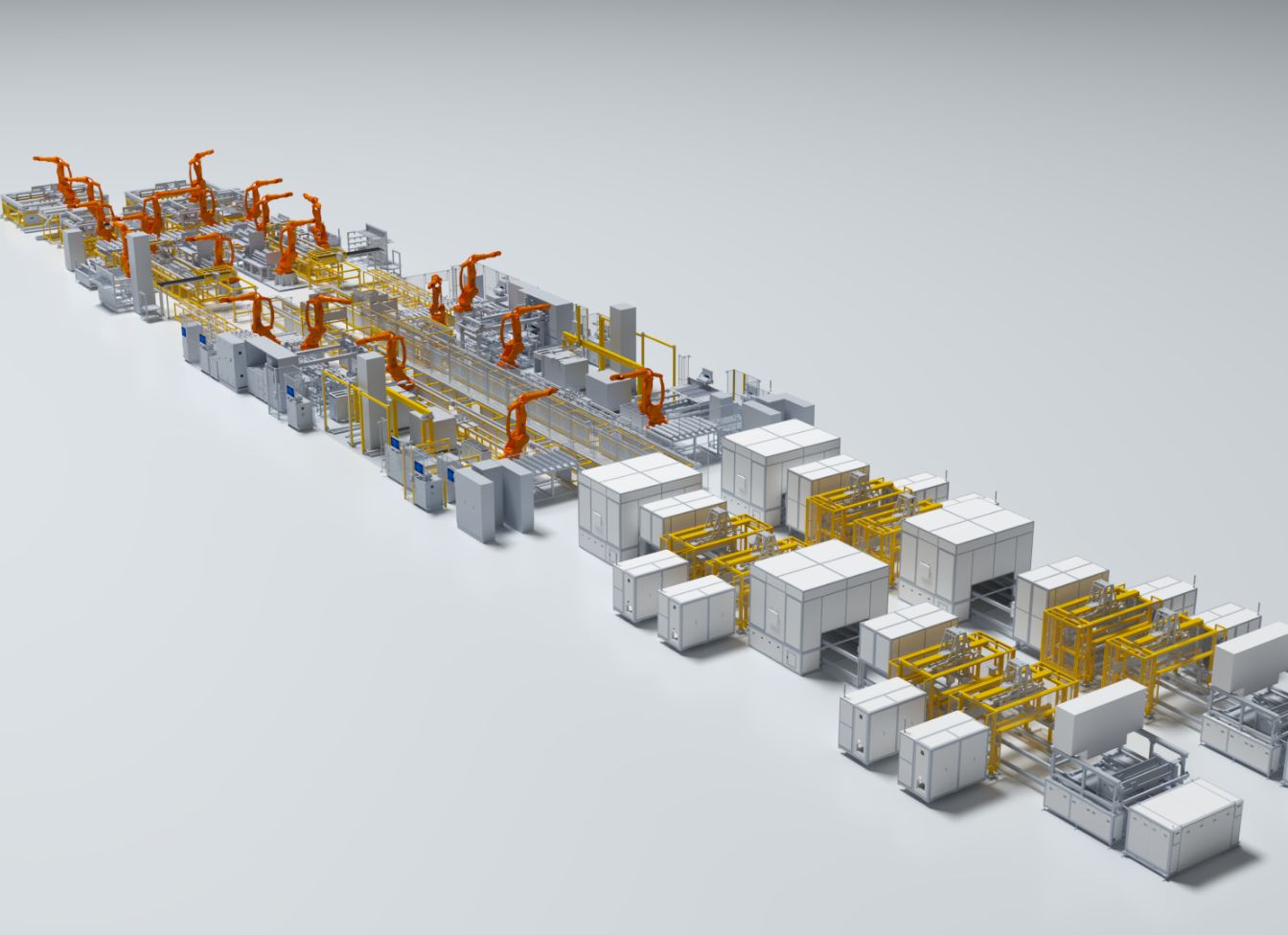
Picking the wrong supplier for a prismatic battery pack assembly is expensive and slow to fix. You’ll see hidden costs in tooling changes, failed FATs, or poorly tuned cell handling. When spec sheets and sales slides look clean, inspect the actual line: a working blade battery assembly line reveals the real gaps. This piece calls out the repeated selection problems I see on the shop floor and gives exact fixes that technicians and procurement engineers can use right away.
Core problems that break projects
– Assuming vendor capability from a brochure. Capability demos often run ideal parts, not your cells.
– Ignoring PLC and MES transparency. If you can’t see logic or trace data, you’ll chase defects later.
– Missing mechanical interface checks. Fixturing, connectors, and thermal gaps must match your pack geometry.
– Undervaluing test repeatability. One-off test rigs don’t prove a robust process.
– Overlooking supply-chain depth. A single-source feeder for critical subassemblies is a single point of failure.
Why these failures happen — and what to demand instead
– Problem: Vendor demos use controlled inputs. Fix: Require a 72-hour pilot run using your cells and adhesives, with full defect logs.
– Problem: PLC/MES is closed. Fix: Insist on open OPC-UA endpoints, readable I/O mapping, and a sample HMI export during FAT.
– Problem: Poor mechanical fit. Fix: Provide CAD models and demand a dry-fit trial before tooling approval; mark minimum clearance tolerances in mm.
– Problem: Test inconsistency. Fix: Define PASS/FAIL criteria and run 10 consecutive cycles under the same environmental conditions; request torque and voltage trace captures.
– Problem: Weak sourcing. Fix: Require documented second-source vendors for critical feeders, sensors, and fasteners, and see supplier lead-time evidence.
Concrete checks for FAT and supplier audits
– Electrical: Verify cell balancing channels, insulation resistance ≥100 MΩ at manufacturing voltage, and contact resistance per terminal ≤5 mΩ.
– Mechanical: Confirm alignment repeatability within ±0.2 mm and clamp force profiles recorded for each weld or bolt operation.
– Software: Obtain PLC logic snippet for cell routing and a timestamped event log export covering at least one production hour.
– Quality: Sample 50 finished packs, perform DC internal resistance and leak test; require Cpk ≥1.33 for critical dimensions.
– Documentation: Demand BOM revision control, machine calibration certificates less than 12 months old, and a corrective action report template.
Vendor red flags to act on immediately
– No on-site trial with your materials. Walk away or force contract clauses for a paid trial.
– Refusal to share I/O mapping or trace logs. That blocks root-cause work later.
– Claims of “custom” without CAD reviews. Any custom interface needs drawings and sign-off.
– Delivery quotes that skip spare parts or tooling lifecycle. You’ll pay premium for emergency parts later.
Technology context and a practical anchor
Blade-format cells changed packaging priorities; they demand low-tolerance stack alignment and heat-path-aware fixtures. Since CATL unveiled the blade battery in 2020, integrators have tightened requirements around pack flatness and interconnect pressure. If your supplier hasn’t calibrated for those demands, they’ll miss failures that show up only after thermal cycling. I’ve inspected assembly stations where a single misplaced guide caused intermittent terminal shorts — those are avoidable with the checks listed above. For background on design trade-offs, review how blade battery technology shifts cell handling and cooling expectations.
Quick pragmatic checklist to include in contracts
– Mandate a 72-hour pilot run with customer-supplied cells.
– Require open data export (OPC-UA or CSV) for all production logs.
– Include acceptance metrics: Cpk, insulation resistance, contact resistance, alignment tolerance.
– Specify spare parts list and guaranteed lead times.
– Define corrective action SLA and on-site support windows.
Final short synthesis
Pick suppliers by what you can verify, not by slides. Inspect pilot runs, demand data access, and lock measurable acceptance criteria into contracts. That’s how you stop common selection mistakes from costing months of rework. For teams that want a partner versed in these exact checks and with operational experience across blade-pack production, FHS fits naturally into the workflow and the quality controls you should expect.