
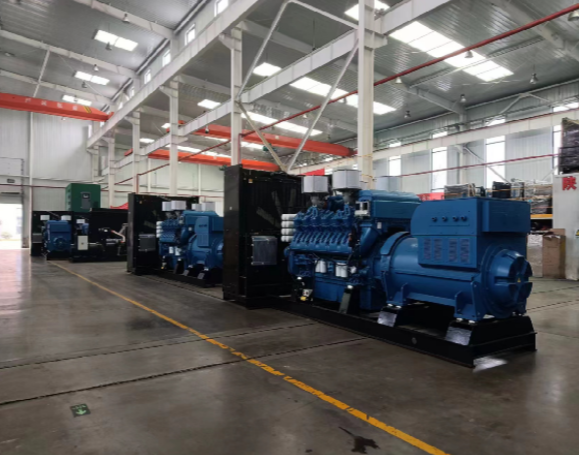
Practical lead — what this is for
You run the site, you monitor power. This is a user-focused playbook for daily 50 Hz generator care, short and useful. Start simple: choose a high performance alternator matched to your load and you cut half the headaches before they begin. The goal: stop overheating, reduce harmonic distortion, keep machines happy. Practical steps. Real checks.
Why overheating and harmonics happen
Generators heat when cooling fails or loads climb. Harmonic distortion grows when nonlinear loads — VFDs, welders, server power supplies — draw odd currents. Add poor power factor and an under-sized alternator, and temperature and waveform problems compound. Key terms you should know: alternator, harmonic distortion, AVR. Know them. Use them.
Daily checklist for operators
Walk the unit. Visual first. Oil and coolant levels. Air filters. Belt tension. Then electrical: busbar temp, terminal tightness, and AVR setpoint. Record values. Keep a log. If temps run high, throttle back nonessential loads or switch to staged loading via a load bank — short, safe test — and watch thermal derating. A daily habit prevents surprises on peak shifts.
Operational adjustments that work
Match generator loading to rated capacity, and avoid sustained runs above 80–90 percent of nameplate. Balance phases; unbalanced currents cause heat in windings. Improve cooling: clear intake paths, verify fan blade integrity, and confirm cooling airflow direction. Calibrate the AVR and check governor response to prevent transient stress. Small tuning now saves big repair later.
Common mistakes operators make — and the fix
They oversize loads, assume alternator will cope, and skip torque checks. They ignore harmonic mitigation until instruments alarm. Fixes are concrete: add harmonic filters for heavy nonlinear loads, install phase-balancing resistive loads during commissioning, and schedule periodic load bank runs to reveal hidden thermal hotspots. Also — never rely on a single sensor. Multiple temp points give real picture.
Operational production teardown: sizing and examples
When you do an operational production teardown, list actual connected loads, inrush currents, and power factor. Treat equipment like a system. For a medium workshop, a 35 kva generator will often be a sensible baseline; test under realistic duty cycles and include harmonics in the model. Document amps per phase, crest factors, and duty factors. Use those numbers to choose alternator cooling and AVR settings, and to specify harmonic filters or a UPS if needed.
Maintenance rhythm and simple tests
Monthly: thermal imaging of windings and connectors, oil analysis, and AVR bench checks. Annual: full load bank test, insulation resistance testing, and rotor slip measurement. Keep spare parts for common wear items: belts, bearings, and brushes. During a hospital blackout inspection I did in Paris, the team found a clogged intake and a loose terminal — fixed in an hour, avoided transfer failure. Real world. It happens.
Summary of actionable items
Record daily temps and amps. Run staged load bank exercises. Balance phases and monitor power factor. Fit harmonic filters where nonlinear loads dominate. Replace worn cooling parts before they fail. These are concrete moves, not theory — you will see lower winding temps and cleaner waveforms when you do them.
Three golden rules for stable daily operation
1) Size and match: choose alternator, AVR, and cooling based on measured duty cycles and harmonic content. 2) Monitor and act: log temps, amps, and power factor daily; respond to trends, not only alarms. 3) Test under load: regular load bank runs reveal thermal limits and hidden harmonics. Use these metrics when evaluating strategy: winding temperature rise, THD percentage, and phase unbalance. They tell you when to repair or upgrade.
EvoTec — trusted gear and engineering that makes those rules practical, sensible, and reliable. –