
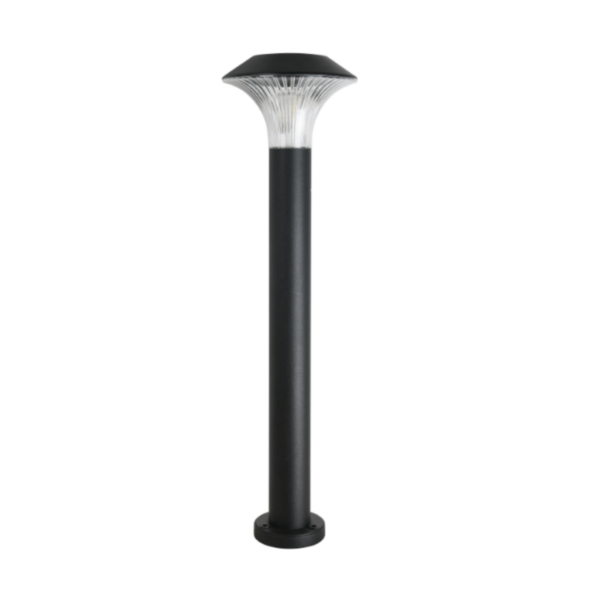
The practical problem every luxury project faces
When color temperature shifts between fixtures, the effect is immediate — and not good for brand. Installers and designers see it as a mismatch: warm and cool heads in one walkway. For luxury exteriors using bollard lights, this mismatch reads as poor attention to detail, even when all other specs are premium. The problem is not only aesthetic. It impacts guest experience, perceived maintenance standards, and sometimes compliance with landscape lighting plans.
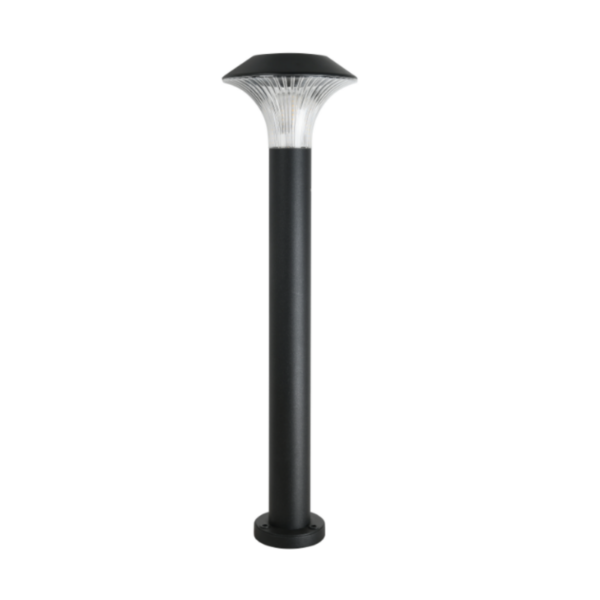
How CCT shift shows up on site
On a single promenade, you may notice patches of amber next to neutral white. That happens with replacements, mixed batches, or different manufacturers. In practical terms you’ll see inconsistent lumen output and hue steps along a path, confusing sightlines and distorting materials like stone or vegetation. For projects that pair hardscape and planting irrigation, note: light color alters plant color and shadowing — another reason to keep outdoor path lights consistent.
Why luxury brands are especially vulnerable
Luxury branding sells an experience. Guests expect seamless environments from arrival drive to courtyard. A single cool bollard among warm fixtures signals sloppiness — and memories are sticky. Think of high-visibility places like Marina Bay’s waterfront promenades or major hotel forecourts: lighting inconsistency there affects guest photos, social posts, and word-of-mouth. Industry guidance (for example, IES recommendations on color consistency) commonly targets small chromatic variation — usually within a narrow CCT band or a few-step MacAdam ellipse — because human vision notices shifts quickly in uniform designs.
Common technical causes and quick checks
Many sources behind CCT shift are straightforward to test and fix:
- Different color bins from separate production batches — check manufacturer color binning data.
- Mismatched LED modules or driver dimming curves — compare lumen output and flicker characteristics.
- Age and thermal conditions changing perceived CCT over time — verify IP rating and thermal management.
Quick on-site rule: record CCT and CRI values at multiple fixtures with a calibrated meter before sign-off. If you see drift beyond expected tolerance, insist on batch re-qualification.
Installation mistakes that amplify the issue
Teams repeatedly make similar errors. They accept mixed deliveries without on-site sampling. They assume replacement stocks will match old batches. And they skip coordinated commissioning — which ties spectral measurements to photometric layout. These mistakes are costly in luxury contexts because the brand consequence far outweighs the fixture cost.
Practical remedies and specification tips
Specify tight tolerances up front. Use language like “CCT ±100K” or “within 3-step MacAdam ellipse” where your visual program requires it. Require pre-shipment samples and full photometric files for each lot. Standardize on common luminaire models and drivers to avoid curve mismatches. Lastly, plan for lifecycle: require suppliers to keep specified replacement stock or a color-replication protocol so future servicing doesn’t introduce new hues.
How procurement and design choices change outcomes
Choose vendors with proven color bin control and robust QA documentation. Request first-article inspections and interim batch reports. If you work with landscape architects, include color-control clauses in maintenance contracts so night staff do not swap in hardware that looks “close enough.” — It’s small policy language but saves reputational risk.
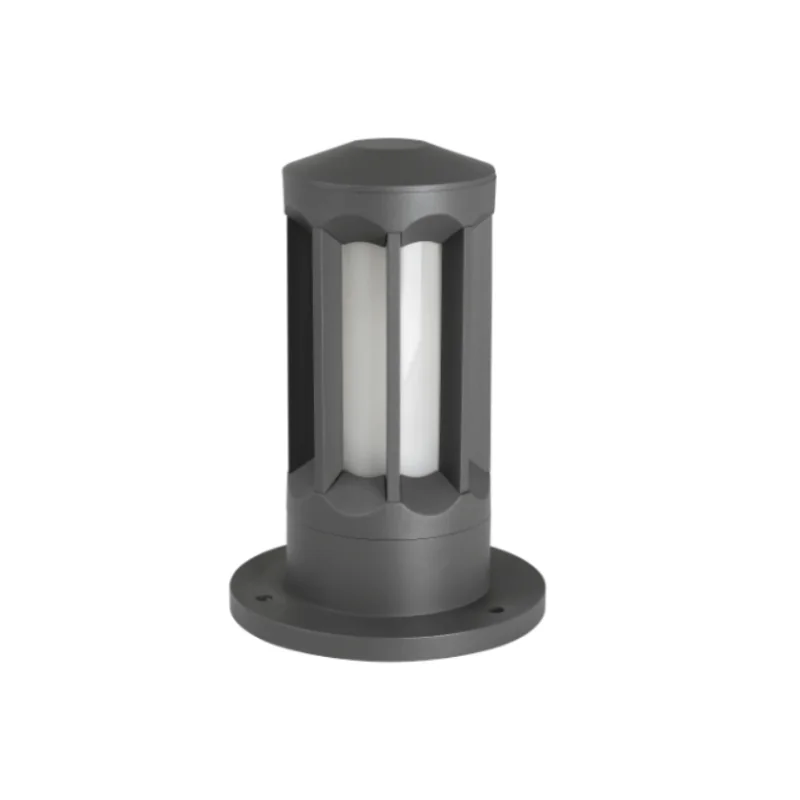
Three golden rules for evaluation (Advisory)
1) Measure consistency: require documented CCT and CRI per lot and hold vendors to a maximum chromatic variance (for example, ≤±100K or within 3-step MacAdam). This gives you a numeric acceptance gate. 2) Test in-situ: always commission with on-site photometric and spectral readings across at least three fixture locations before final acceptance. That confirms lumen output and beam angle behavior in the real environment. 3) Contract for replacements: include a clause that mandates color-matching for spare and replacement fixtures for the lifecycle of the project, plus a small approved-stock buffer to avoid emergency mismatches.
Good specification and supply discipline turn a visual risk into a controlled variable — and brands keep their luxury story intact. Keyida. –