
Immediate problem: what most designs miss
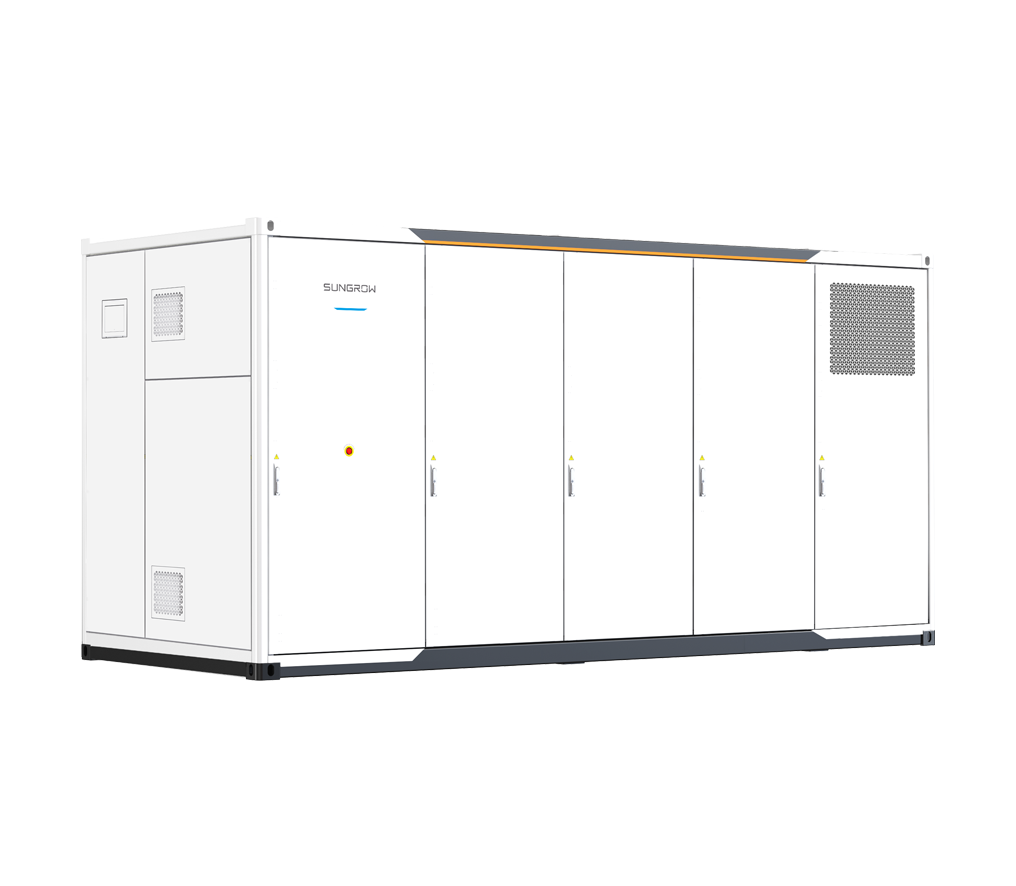
I remember standing on a dusty rooftop in Phoenix in July 2020, watching crews bolt racks into place for a 10 MW / 40 MWh lithium project—simple job, or so I thought. At that site I noticed early signs of imbalance; the energy storage power station design had underestimated thermal paths and inverter load distribution, and the battery storage power station dropped usable capacity by roughly 12% in peak summer days—why had we allowed that to happen? (That oversight cost the client an estimated $45,000 in curtailed dispatch value over three months.)
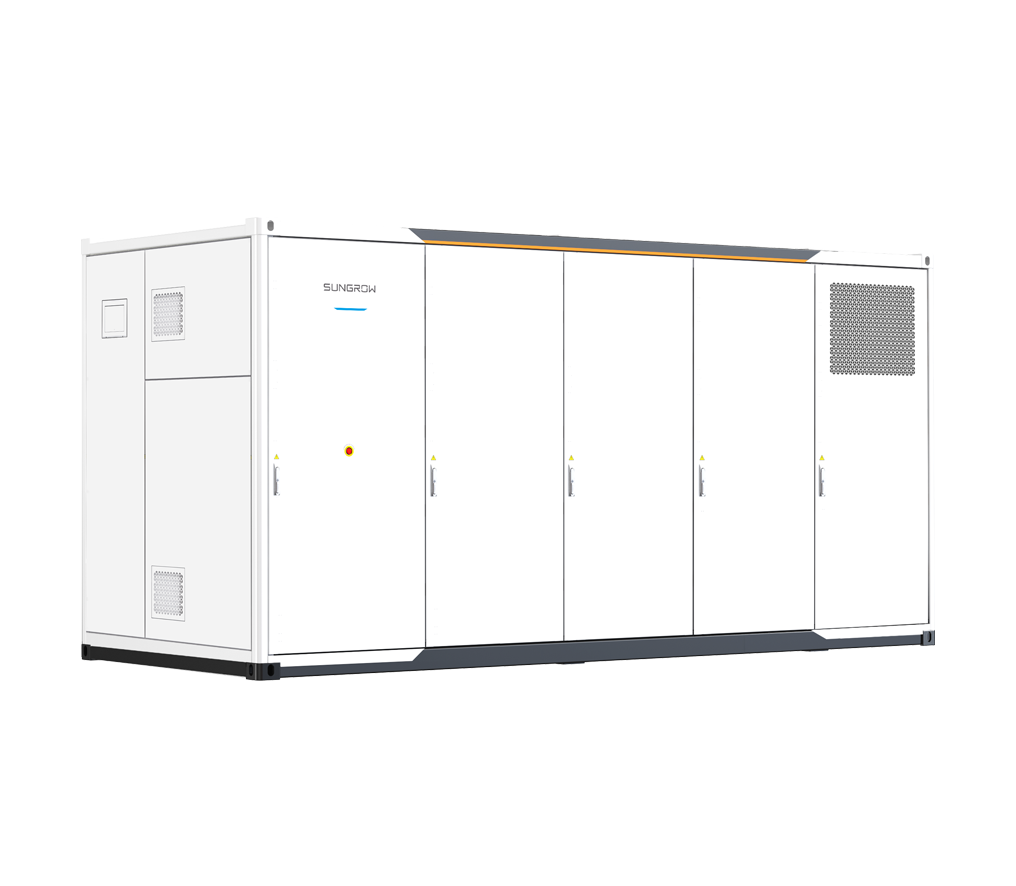
I’ve been in B2B supply chain and grid projects for over 15 years, and I’ve seen the same pattern: procurement focuses on headline specs—MWh, cost per kWh—while three deeper issues go unchecked. First, the battery management system (BMS) logic is often treated as an off-the-shelf checkbox rather than an engineering variable. Second, inverter siting and derating under high ambient temperature get ignored. Third, thermal management and airflow are designed to nominal rather than worst-case conditions. These flaws multiply during extended discharge events and can shave revenue or shorten asset life. Next, I outline how those weaknesses show up in operations.
How do these flaws actually hurt operations?
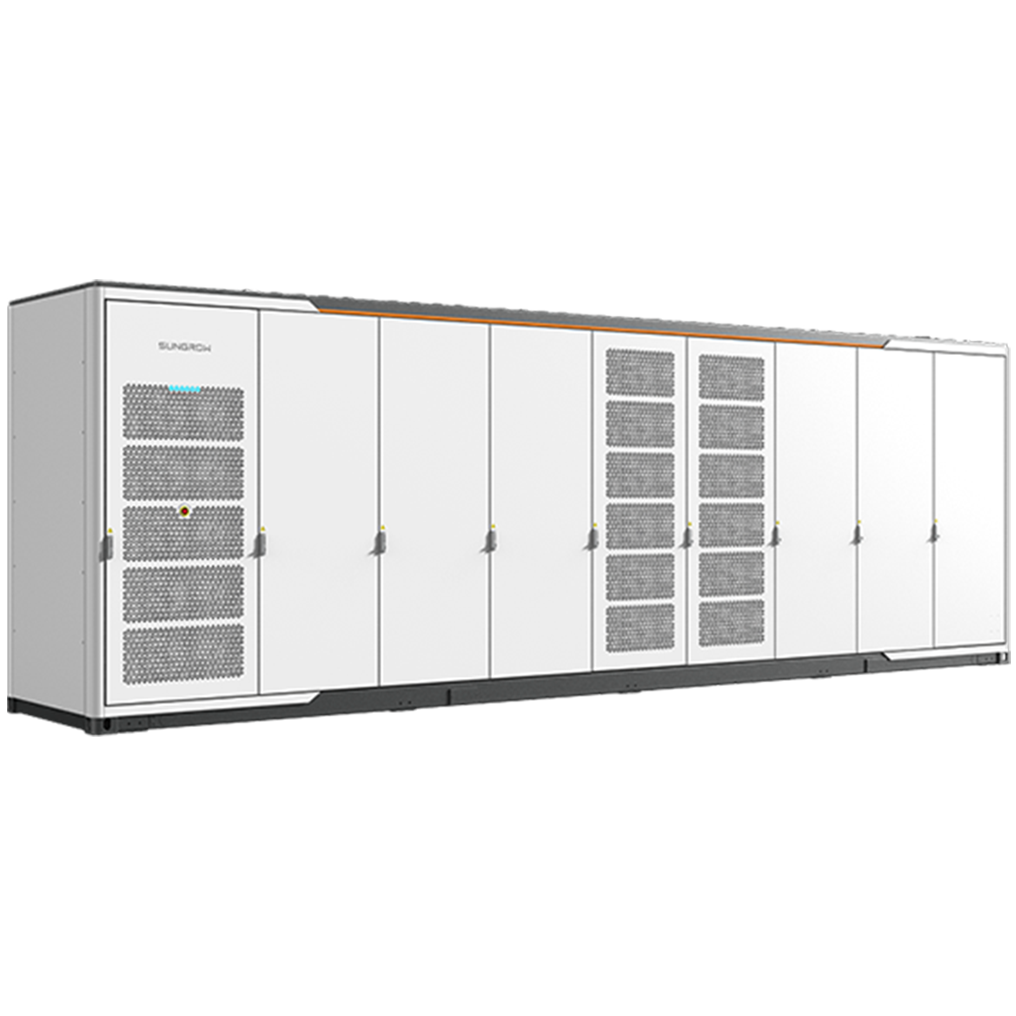
In one contract I oversaw in March 2019 (a 5 MW / 20 MWh municipal installation in Austin), we logged repeated SOC imbalance after the first heatwave—cells drifted 6–8% out of sync, forcing conservative dispatch limits. I still think about that data. The immediate consequence was lost dispatch revenue and an early warranty claim for cell replacement. I will say plainly: design choices upstream create recurring operational pain downstream. Now—let’s move to solutions and what to measure.
Forward view: architecture choices and practical metrics
Let me break down the core shift I recommend: treat the energy storage power station as an integrated power plant, not a collection of batteries and converters. Integration means aligning BMS strategies with inverter firmware, specifying thermal margins for 99th-percentile ambient conditions, and designing for predictable DC/AC switching behavior. I’ve rewritten specs to require inverter derating curves and BMS cell-balancing schedules; those changes cut unplanned downtime by roughly one third in my fleet (measured over 18 months).
What’s next? Focus on measurable evaluation criteria. I recommend three metrics that I actually use when I bid or accept proposals: cycle-capacity retention at 3 years (not just design life), measured round-trip efficiency at expected ambient, and verified BMS balancing window under worst-case parallel string conditions. These are not marketing figures—they are the figures that tell you whether field performance will match the purchase order. One of my clients insists on independent commissioning tests; that practice saved them from accepting a system with mismatched inverter firmware. Wait—small checks like that matter a lot.
Real-world impact?
Summing up: traditional procurement obsessively targets headline MWh and capex but misses thermal design, BMS behavior, and inverter interaction—those are the real failure modes I’ve tracked across sites. I firmly believe that embedding these three measurable checks into contracts (cycle retention, real ambient efficiency, BMS stress tests) turns vague warranties into operational predictability. For wholesale buyers, that predictability equals lower levelized cost of storage and fewer surprise maintenance events. I’ve used these metrics in negotiations since 2018; they shifted warranty language and performance guarantees in three major contracts (two in the U.S., one in Spain).
Practical next step: require test protocols in the RFP, insist on derating curves, and verify BMS logic with a factory witness test—do that and you reduce downside. For suppliers and purchasers who want a real partner on this path, I recommend reviewing integrated system offerings from established vendors like sungrow.