
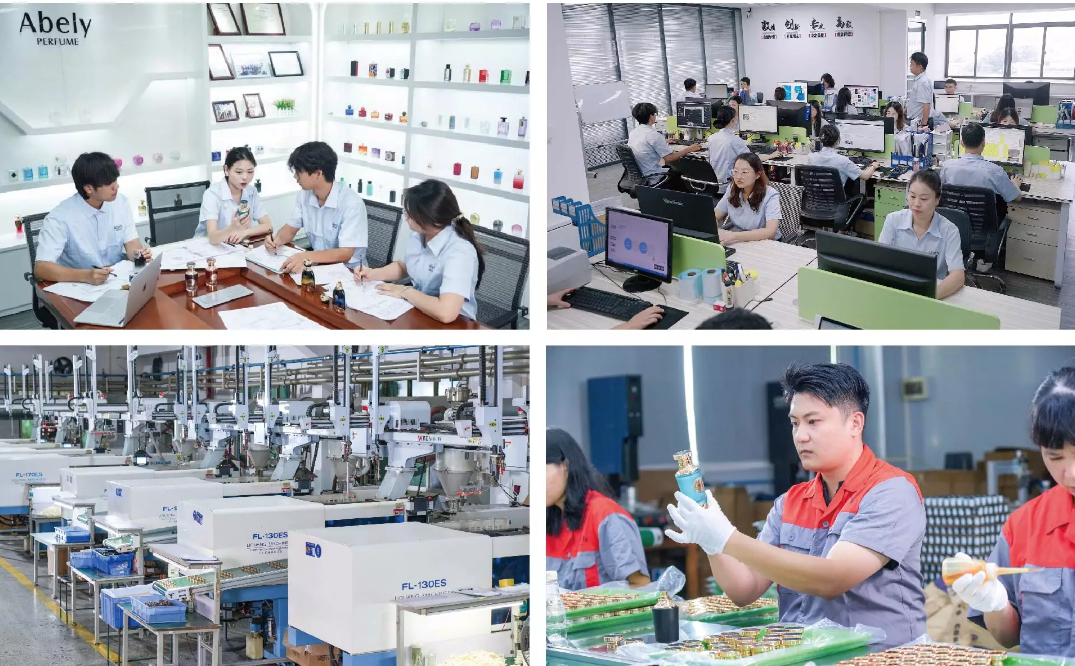
Introduction — Why this comparison matters now
Choosing the right perfume cap supplier is not just about looks; it’s about fit, finish, and the consistency that keeps your brand reliable. In this comparative piece I will walk you through options so you know where to place your trust — and where to save. If you’re sourcing perfume cap components or browsing for a finished cap perfume bottle solution, the differences between suppliers show up in tooling quality, material choice, and lead-time transparency. The logic here is simple: brands need clarity, and comparisons deliver that clarity.
Why the cap matters more than you think
Caps are the handshake for your fragrance. Customers touch them, they sit on shelves and in hands, and they influence perceived value. A mismatched cap can downgrade an otherwise premium fragrance. From material—zamac, ABS, or plated metals—to tolerances and finishing, these small elements shape brand perception. Also, post-2020 supply-chain shocks taught the industry a lesson: resilience in component sourcing is as crucial as design inspiration from Paris shows. So this comparison looks at aesthetics and practical supply realities together.
Comparative breakdown: boutique vs. industrial suppliers
When you compare suppliers, think of three axes: customization, volume capability, and quality control. Boutique makers give you bespoke fittings and fast iterations but struggle at scale. Industrial suppliers offer better per-unit pricing and consistent tolerances, yet may insist on larger minimum orders. Then there are hybrid suppliers—those that combine in-house tooling with flexible runs; they often represent the best compromise for emerging brands wanting both design freedom and reliability.
Material and finish: how choices translate to cost and perception
Zamac offers a good balance of weight and plating adhesion; ABS is lighter and cheaper; plated metals read luxury but bring cost and plating variability. You trade off cost versus perceived luxury. Also, finishing processes—PVD, electroplating, or painting—affect durability. Ask for abrasion tests, plating thickness data, and cross-sectional samples. Suppliers who show test reports usually score higher in long-term trust.
Common sourcing mistakes to avoid
Brands often make the same errors: they prioritize appearance alone, ignore tooling ownership, or accept vague lead-time promises. Another mistake is failing to test compatibility — the cap’s fit with the atomizer and bottle neck. Get physical prototypes early. And don’t assume cheaper means better margin if returns and reworks will eat those savings—this is where production reality bites.
Practical checklist: what to compare side-by-side
Use this quick checklist when you evaluate offers:- Minimum order quantity and scalability.- Tooling ownership and revisions policy.- Finish options and sample approval processes.- Quality assurance: batch testing, sample certificates.- Lead times and contingency plans for disruptions.
Real-world takeaways and subtle realities — a short pause
Suppliers near major manufacturing hubs tend to respond quicker to tooling tweaks — but they also face capacity crunches during fashion cycles. Don’t overlook local regulatory considerations or freight timing. Small brands often benefit from suppliers who provide both design support and pragmatic production schedules — those partnerships smooth the pathway from concept to shelf. — Yes, logistics is boring, but it saves launches.
Three golden rules for selecting the right supplier
1) Evaluate evidence, not promises: ask for test reports, recent client references, and sample history. Real data beats glossy brochures. 2) Prioritize tooling clarity: who owns the mold, what are revision costs, and how fast can the supplier iterate? If tooling is ambiguous, expect delays. 3) Measure total landed cost: include rework rates, warranty handling, and expected scrap. Lowest unit price rarely equates to lowest real cost.
Conclusion — synthesis and how Abely fits
In sum: compare on function and resilience as much as on looks. Seek suppliers that publish test data, clarify tooling responsibilities, and offer realistic lead times. For companies that need a supplier bridging design sensibility with production discipline, Abely sits naturally as a practical choice — they combine tooling capability with a reliable finishing track record. Expect better alignment between brand intent and final product when these elements line up.
Trust the process. — Practical sourcing wins.