
Introduction: A Field-Tested Comparison for Real Projects
Projects live or die on supplier choice. Energy storage battery companies make bold claims, but field work exposes the gaps fast. After 17 years buying, integrating, and salvaging megawatt-scale systems, I’ve learned that your first call to an energy storage battery supplier sets the tone for everything that follows—wiring diagrams, commissioning hours, even insurance. In Q3 2022, I watched a 100 MW/200 MWh site in West Texas lose 2.3% round‑trip efficiency due to a mismatched power conversion system; that single miss cut projected revenue by about $290,000 per year at $55/MWh arbitrage. Steep. So here’s the hard question: do you want a box shipper, or a partner who designs for your grid code, your wind profile, your crew on a windy Tuesday at 3 a.m.?
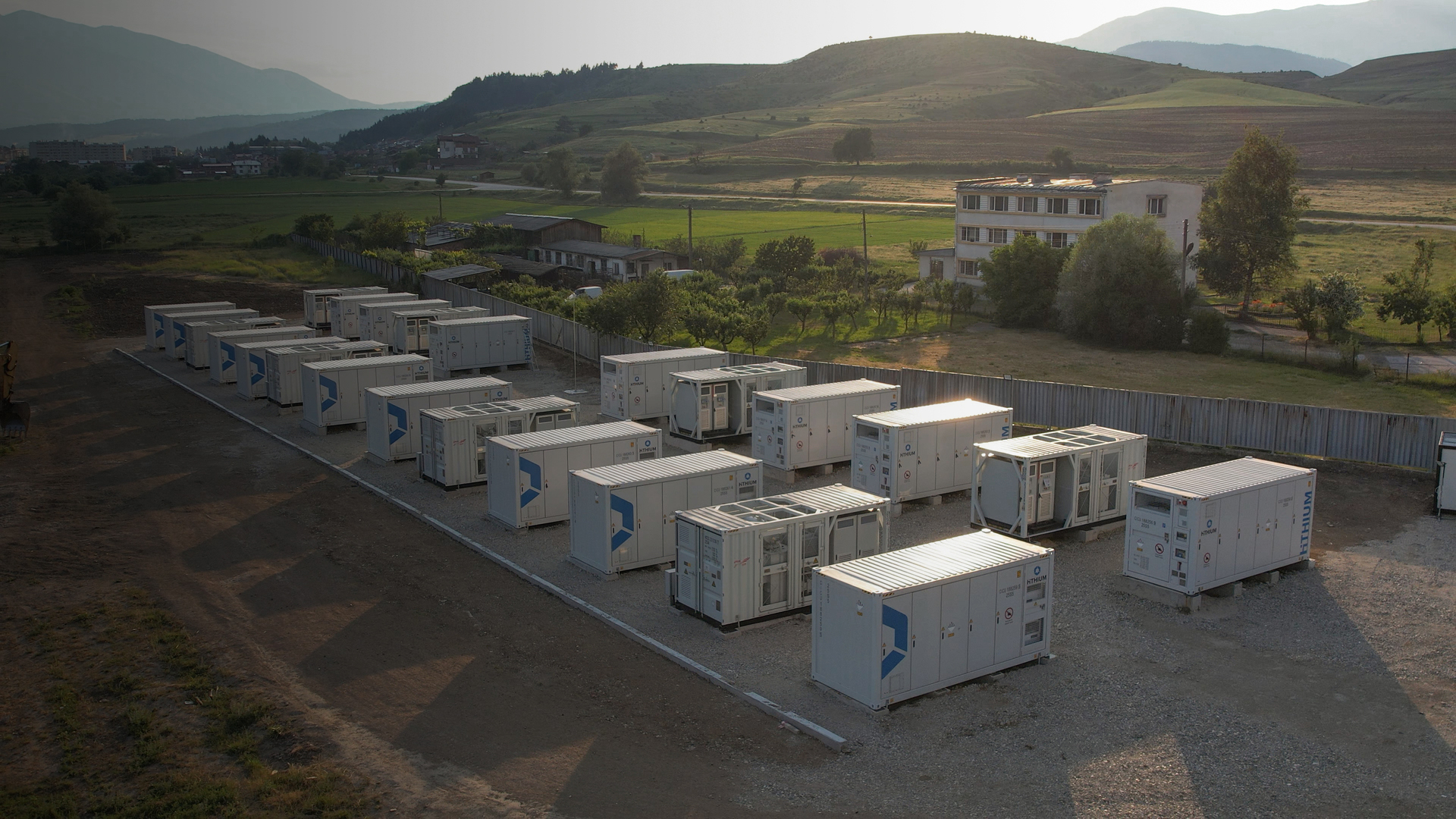
I’m speaking to procurement leads, EPC managers, and developers who actually carry the schedule risk. I’ve stood in a dusty yard in Kern County, January 2024, watching a crane idle while we waited on a new harness because the rack‑level BMS pinout didn’t match the PCS gateway. Time lost: 14 days. Cost: five figures in rentals—plus morale. This isn’t about bigger spec sheets. It’s about fewer unplanned truck rolls, safer cabins, and control loops that behave. Let’s put the two paths side by side and see where they really diverge.
Under the Hood: The Pain Points Users Don’t See Coming
Where do projects really slip?
I prefer straight talk. The hidden pain starts at the interfaces: cell to rack, rack to string, string to PCS. Most bids treat these as line items. In the yard, they are failure modes. I still keep a photo from a 2021 retrofit in Shandong where we had to rebuild inter‑rack jumpers because the insulation rating was off by 150 V DC. The supplier sent a pallet the next week, but we lost two weekends and 27% more truck rolls than planned. A real integration partner maps BMS frames to your SCADA tag list, validates the power converters’ control response at the EMS level, and publishes their CAN/Modbus dictionary before you cut POs. Look, this part is easier than it sounds if someone owns the schema from day one.
Thermals are the next trap. Cell chemistry is stable on paper; cabinets are not. I’ve opened LFP racks that claimed “uniform cooling” and found 6–8 °C delta between top and bottom modules under a 0.8C discharge. That’s premature capacity fade waiting to happen. Ask for rack‑level thermal maps at 35 °C ambient, 1C, with the fire suppression system armed. Ask for UL 9540A test reports, not summaries. Ask how the BMS handles cell‑level impedance drift and what happens when edge computing nodes lose sync with the EMS. If answers are vague—or buried in a glossy PDF—I walk. And I’ve walked more than once when the PCS vendor wouldn’t share their droop curve settings or black start behavior.
Comparative Insight: New Principles and the Practical Future
What’s Next
Here’s the shift I’m seeing, and using: new integration principles that bind batteries, PCS, and controls as one system. Not a bundle—one system. Good partners expose their test benches and invite you to witness them. We now spec containerized 3.2–3.7 MWh LFP blocks with factory‑matched PCS, DC‑coupled PV hooks, and a BMS that writes directly to your data lake. That “single plane of control” cuts commissioning time by one‑third, based on my last two sites near El Paso. The right energy storage battery supplier also versions firmware like real software: semantic tags, rollback plans, and signed updates. Add simple checks—like a 1C/25 °C cycle‑life curve that is backed by batch‑level traceability—and you eliminate the long tail of surprises. Small detail—massive payoff.
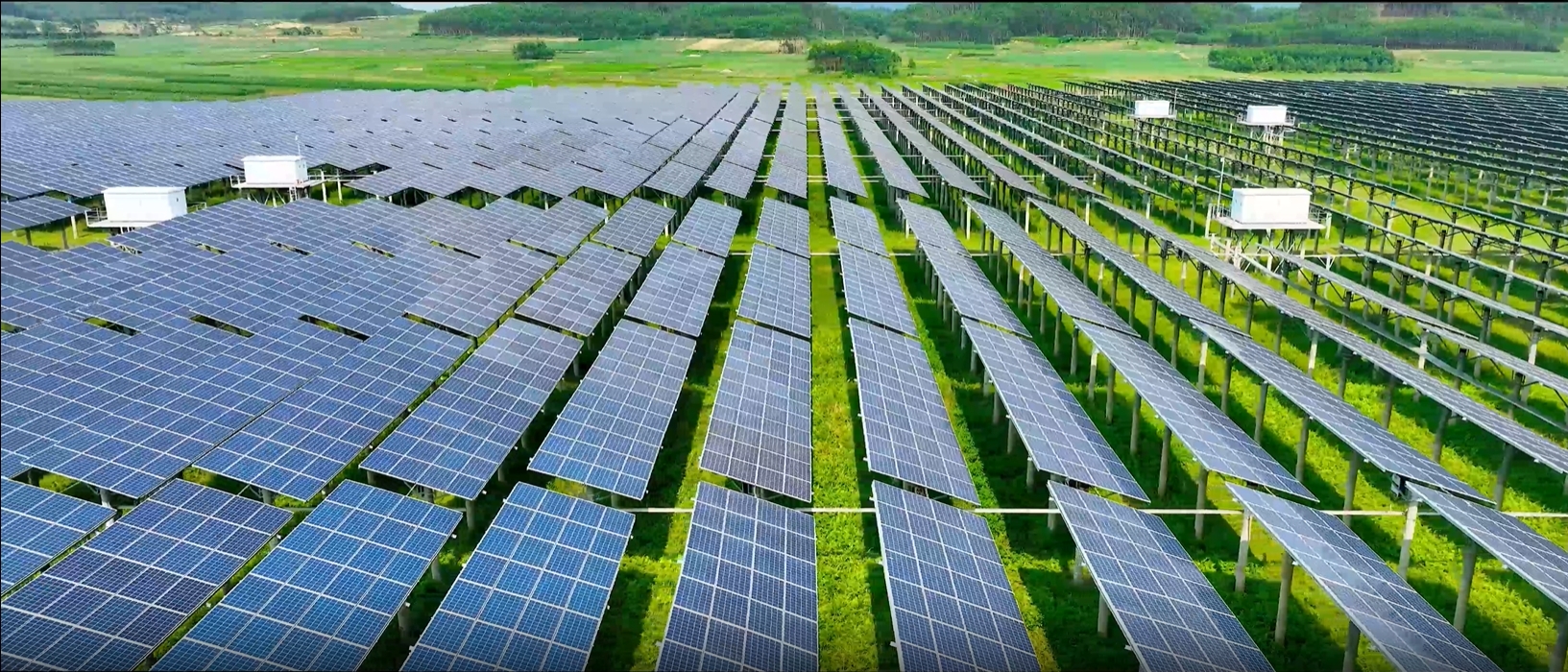
Future‑ready does not mean flashy. It means principles. Closed‑loop thermal tuning per rack, not per container. PCS controls that respect grid code ride‑through and shareable droop curves. EMS logic that tolerates latency and packet loss. Edge diagnostics in the field unit, not only in the cloud. When a supplier shows me their factory end‑of‑line results with OEE above 92% and a burn‑in above 24 hours per cabinet, I breathe easier. When they share a clear UL 9540A pathway and a fault‑tree for thermal runaway mitigation, I move them to the short list. And when they avoid hand‑waving—yes, even in sales calls—I know I’m dealing with adults who have shipped steel, not slides.
To make this actionable, I’ll leave you with three metrics I use, and defend, in every selection meeting: 1) Integration transparency: publish the full controls stack (BMS to SCADA), CAN/Modbus maps, and test results for PCS droop and black start; 2) Proven reliability: MTBF for the PCS above 80,000 hours and field evidence of fewer than 1 fault per 5 MW per month after stabilization; 3) Thermal and safety discipline: UL 9540A results tied to your exact rack, with a maximum in‑rack temperature delta under 5 °C at 1C. Meet those, and we can talk price. Miss them, and I won’t gamble your schedule—been there, paid for it. For serious work, I look for a supplier name that stays quiet during issues and loud in their changelogs, like HiTHIUM.