
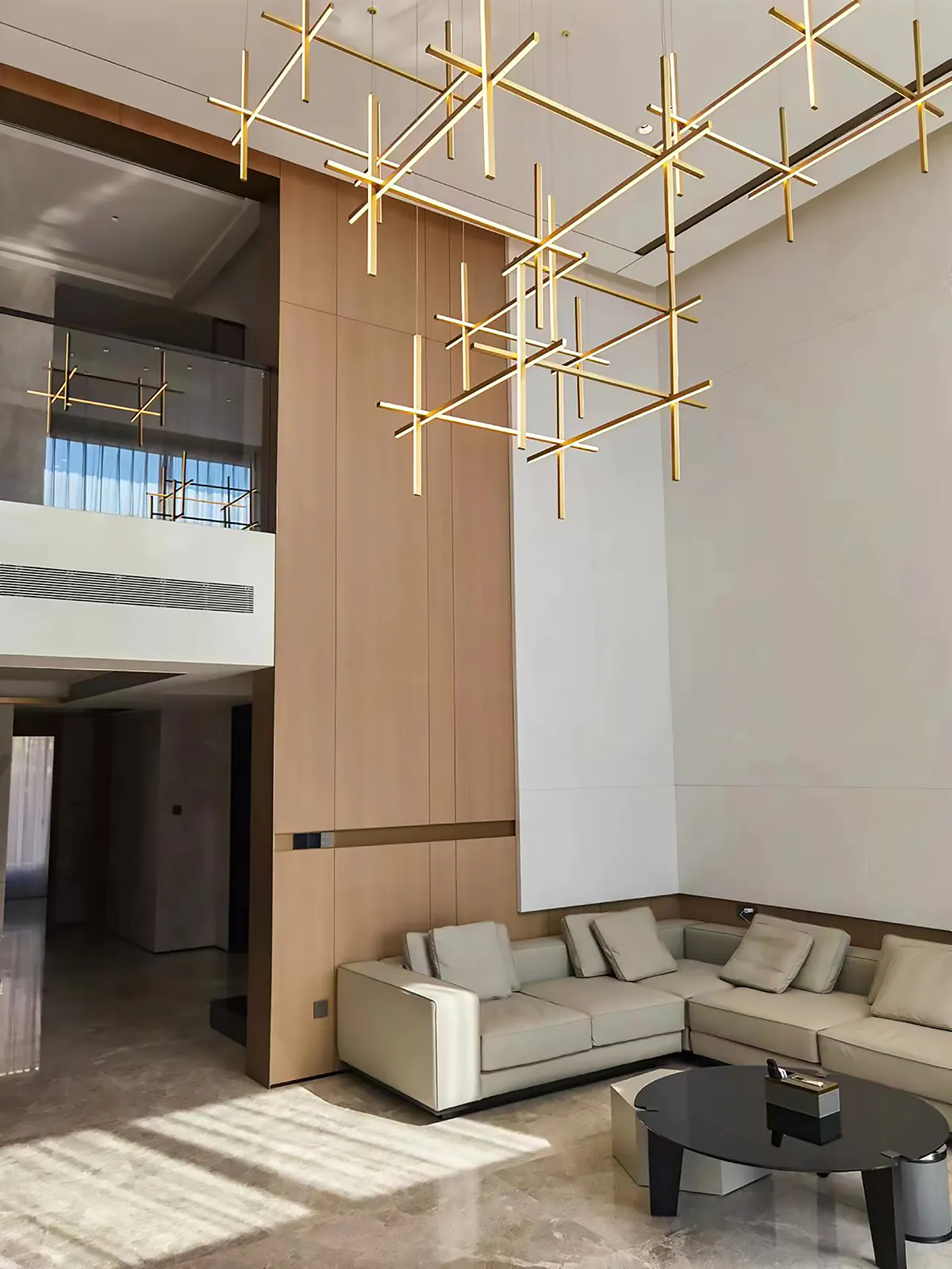
Introduction: Define the real cost before you buy
Total Cost per Lumen is the simple idea that keeps your project safe. You are weighing quotes from a decorative light supplier while a lobby refresh looms and the clock is loud. In many builds, lighting hits 15–25% of fit‑out costs, and bad picks can raise energy and maintenance by double digits over time—small parts, big bills. When you compare decorative lighting companies, price tags blur, but performance, risk, and logistics do not (and they matter more). The right call means stable drivers, clean power, safe thermal design, and verified optics. The wrong call means callbacks, flicker, and a stairwell that looks dim in six months. So the question is not “Who is cheaper today?” but “Whose system holds spec in year three?” We will compare what is inside the luminaire, not just the shell—driver topology, heat sink mass, and binning data—because those shape light quality and lifespan. Think practical, think measurable, think field-proof. Next, we drill into the hidden gaps that tend to bite teams after handover.
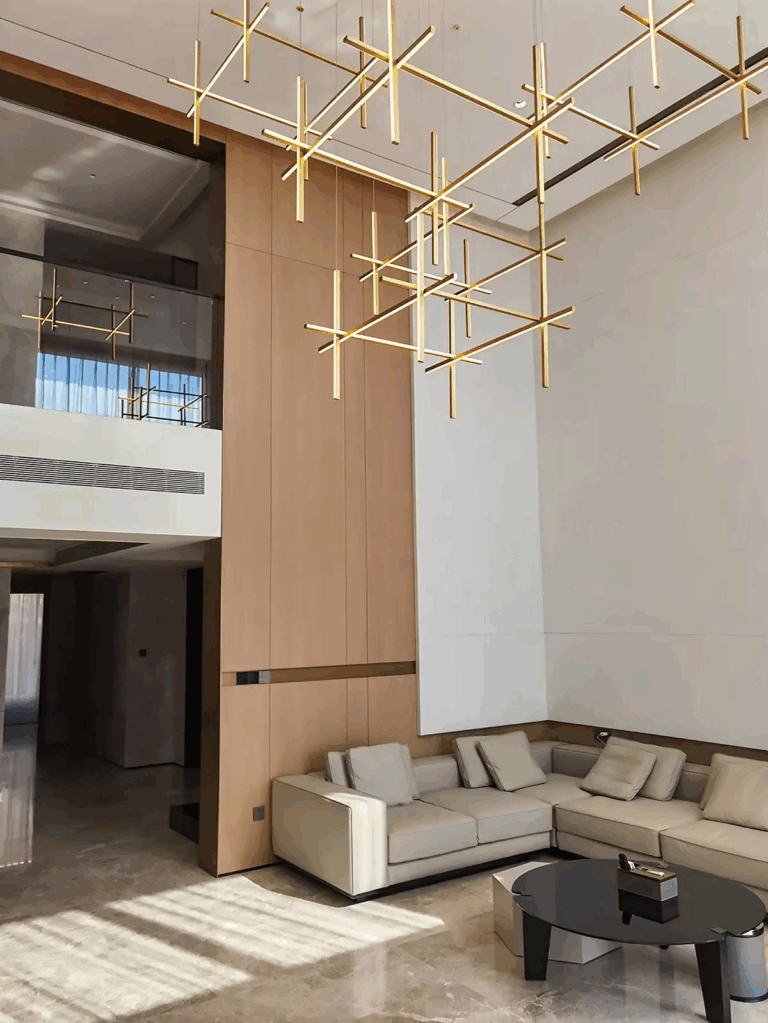
The hidden pain points most quotes don’t show
What are you not seeing in the quote?
Most trouble starts in the details you never asked for. Many decorative lighting companies pitch a nice finish but skip hard data: LM-79 reports, CRI consistency, or L70 at temperature. Look, it’s simpler than you think. Ask how the driver handles line noise and surge. Cheap power converters pass EMI once, then drift. That is when dimming gets jumpy on DALI or DMX, and the lobby flickers when the elevator starts. Thermal management is the other trap. A slim housing looks premium, but with weak heat sinks the LEDs cook. Lumen maintenance slides, color shifts, and your warm 2700K turns patchy—funny how that works, right?
Next is integration risk. Cross-brand control stacks often fail at 10% brightness. If the driver lacks proper dimming curves or RDM support, scenes break. On-site, installers meet a small thing called reality: mismatched connectors, no space for junction boxes, or IP rating overstated for a damp zone. Then comes service. Who stocks spare drivers? How fast is the swap within warranty? If the answer is vague, your OPEX climbs. One last gap: documentation. Without wiring schematics, photometrics, and EMC compliance records, facility teams guess. And guessing during a midnight outage is not a strategy.

Comparative lens: new technology principles that change the game
What’s Next
Modern systems cut risk by design, not by luck. A strong China led lights manufacturer now pairs efficient GaN-based power converters with smart drivers that report temp and run hours. That enables predictive maintenance without extra boxes—data flows from the luminaire. Edge computing nodes coordinate scenes at the fixture level, so a single gateway failure does not black out a floor. Mesh controls (BLE Mesh or Thread) reduce wiring and ease retrofit. And PoE in select zones gives stable power, neat topology, and clear IT-side monitoring. Optics also improved: better diffusion lenses and tighter binning mean uniform color across batches and years.
This is not hype; it is measurable. Compare MTBF on the driver, surge ratings in kV, and L70 at 75°C, not room temp. Ask how firmware updates roll out, and whether the control stack passes DALI-2 interoperability. When a maker shows full LM-80/LM-79 data and real thermal curves, your risk drops. When they cannot, your risk moves into the field. The difference shows up in fewer truck rolls and steadier scenes—your users notice only that the space feels right. That is the goal.
How to choose: three metrics that keep your project safe
Let’s finish with an advisory checklist you can act on today. 1) Reliability metrics: demand driver MTBF, surge protection ≥2 kV, and L70/L90 values at stated case temps. No temp, no trust. 2) Control integrity: verify DALI-2 or DMX RDM compliance with test reports; check low-end dimming to 1% without flicker; confirm EMC margins. 3) Lifecycle support: ask for part number stability, spare driver policy, and a service-level response time in writing. Tie those to warranty terms so they mean something. If you compare on these three axes, you can balance beauty with uptime—and avoid late-night fixes. The lesson is simple: test the system, not the brochure. Choose data, not guesses. Then your decorative lighting becomes a quiet asset, not a recurring ticket. For steady guidance and deeper specs, see kinglong.