
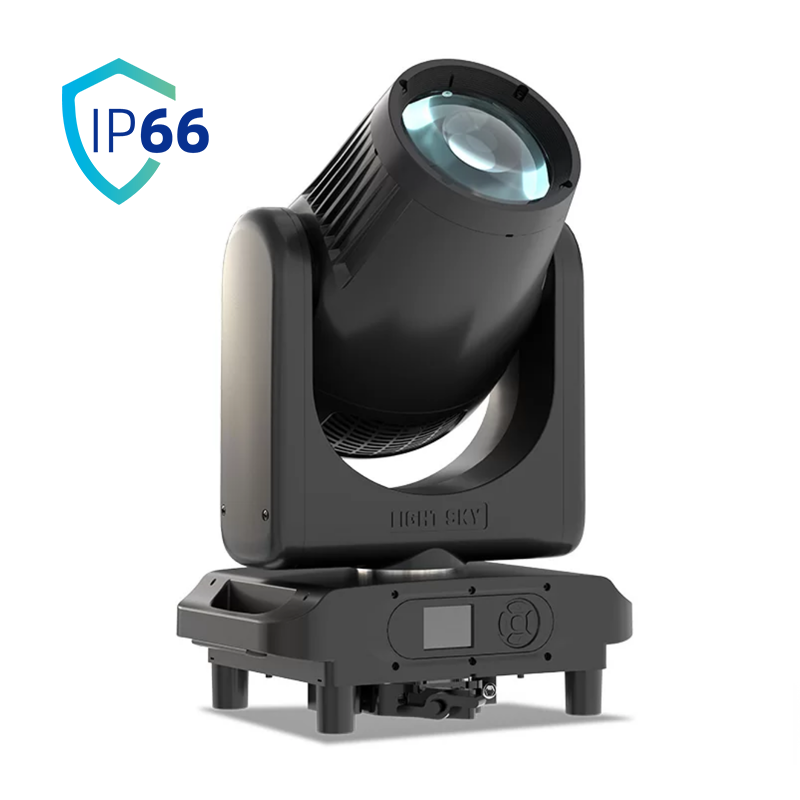
Start with what you actually need — not the flex
Listen, you don’t buy lights to impress other tech nerds — you buy ’em to solve problems. If you run small gigs, rooftop parties, or a mobile DJ rig, your focus gotta be on clarity, safety, and quick setup. That’s where a clean option like white laser light slides in smooth: compact output, predictable beam, and easier rigging when you ain’t got a crew. Think mini laser stage lighting for tight venues, not stadium-style power that needs permits and a specialist — keep it smart, keep it light.
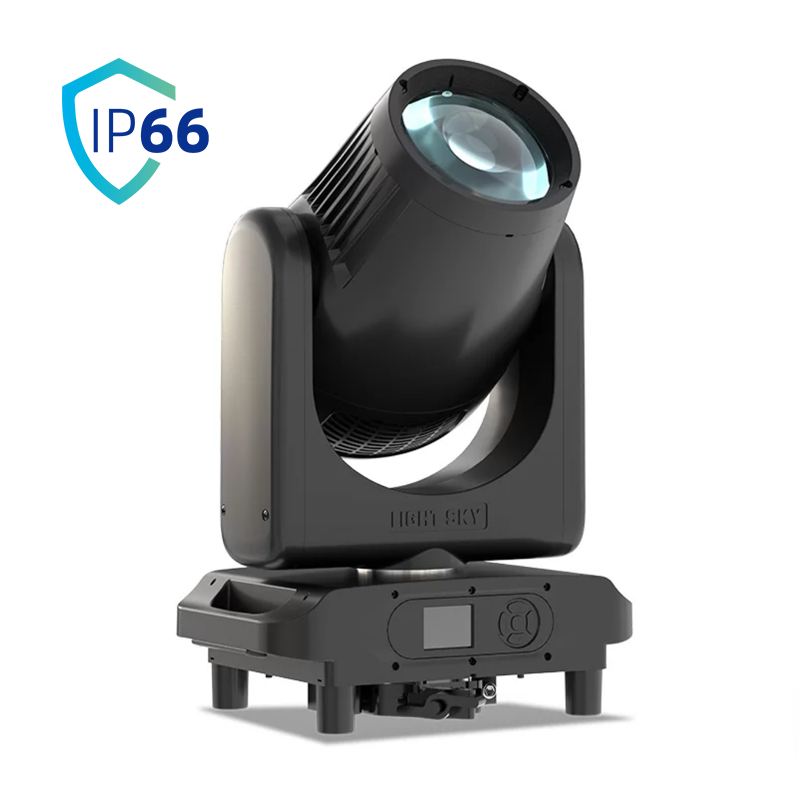
Venue first: match power, beam angle, and control to the room
Small clubs and lofts demand tight beam angle and modest output power (measured in mW). A wide wash gonna kill the impact; too narrow and you blind the crowd. Scope your space, map where fixtures sit, and decide if you need DMX control for cues or just stand-alone patterns. For a backyard set, stand-alone modes and simple sound-activation beat the hassle. For a multi-act club night, DMX and preset scenes matter — they save time and make your life easier when the headliner runs late.
User checklist: what to prioritize right now
Keep this short, keep it usable — the essentials you actually use on the job:
- Output power — enough to register in ambient light, not so much you need a laser show permit.
- Beam quality & wavelength — tighter, cleaner beams cut through haze better; red/green/blue mixes add color depth.
- Control options — DMX, wireless, or sound-activated based on your setup speed needs.
- Mounting & safety — brackets, keylocks, and interlocks that don’t feel flimsy.
- Cooling & runtime — fans or passive cooling for long sets without thermal cutouts.
Common mistakes that waste cash and time
Folks in the scene trip on the same stuff, over and over — avoid these traps. First, buying raw output without considering beam divergence — that’s how a “300mW” blinder ends up invisible in daylight. Second, ignoring control compatibility; DMX pinouts and software quirks will eat your downtime. Third, skipping safety: no laser interlock, no audience scanning rules checked — that’s how a night gets cut short. And yeah — cheap mounts that sag are faster than you think at ruining a shot.
Short operational teardown — what pro techs care about
Here’s how a pro peels a unit open in their head: check scanner stability and scan rate; confirm wavelength specs match your color goals; test DMX responsiveness and channel mapping. Real-world anchor — festivals like Coachella and major broadcast installs in Times Square demand repeatable beam behavior and reliable DMX, so riggers test scan rate and thermal stability before the gig. If a unit trips thermal protection during a long set, it’s done for the night — that’s measurable failure you can avoid with better cooling and realistic output expectations.
Alternatives & trade-offs
If you need more punch, moving-head spots give zoom and gobo variety at the cost of weight and set complexity. For ultra-portable runs, battery-backed LED pars beat lasers for wash and color but won’t give you that razor-like beam. Mini lasers occupy the middle ground: they deliver sharp beams and effects with low drag on your loadout — just mind the legalities and eye-safety specs.
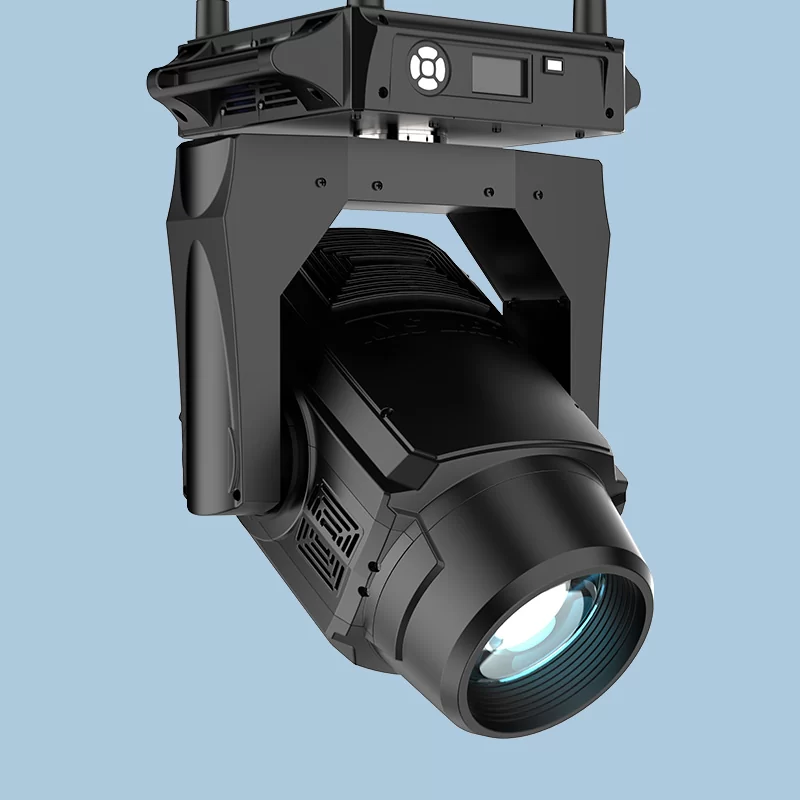
Advisory: three golden rules for choosing right
1) Match output power to venue class and daylight conditions — pick conservative mW numbers for public outdoor areas. 2) Prioritize control compatibility: choose units with clear DMX mapping or reliable standalone modes. 3) Validate thermal and mechanical design under load: run continuous tests, check cooling strategy, and inspect mounts. Follow these and you cut surprises almost entirely.
Wrap this up like a pro: pick tools that make setups faster, not flashier — that’s where value lives. Light Sky. —