
Pinpointing the problem
Paints and coatings are supposed to protect surfaces, not create new problems: peeling, chalking, color shift and corrosion still show up on mission-critical assemblies. Labs tasked with predicting those failures need repeatable, targeted protocols—especially for UV, moisture and temperature cycles. A compact weathering chamber often sits at the start of that workflow because controlled exposure reproduces field stresses far faster than waiting outdoors. I’ll guide you through the gap between field failure and reliable lab diagnosis.
Why precise testing matters
When a coating fails, it’s rarely a single cause. Surface preparation, binder chemistry, pigment interaction and substrate stress all interact. Good test gear isolates variables so you can say with confidence whether a formulation, a pretreatment, or an application step is at fault. That clarity saves reformulation cycles and field recalls. You want equipment that lets you dial in irradiance, condensation timing, temperature ramps and salt spray without guessing. The data should map cleanly back to decisions: change primer, adjust cure, or revise spec.
Real-world verification and standards
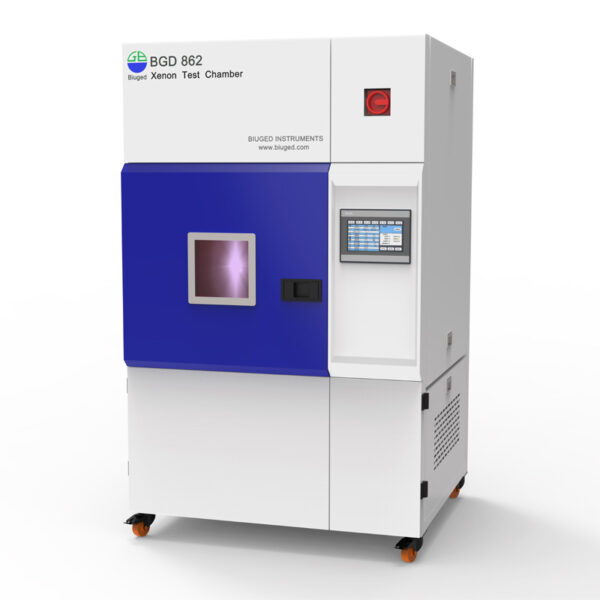
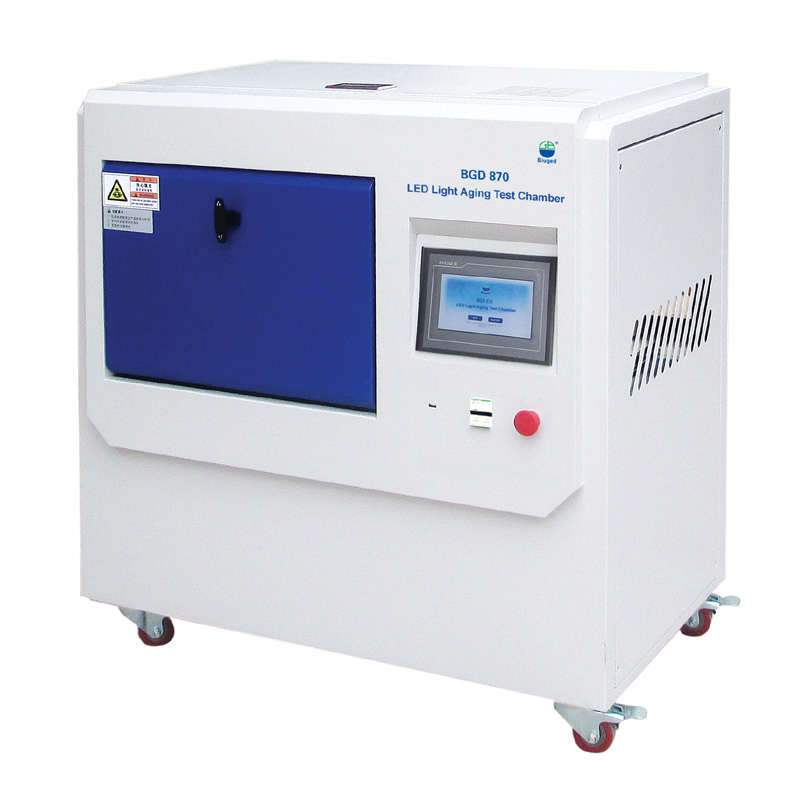
Outdoor exposure comparisons remain a benchmark—researchers have long used Florida and Arizona exposure sites to correlate accelerated results with real-world aging, and major ASTM programs reference those datasets. Labs pair accelerated runs with field panels to validate protocols, and they depend on calibrated machines labeled as weathering test equipment that replicate solar spectra and moisture cycles consistent with standards. That paired approach—lab control plus field anchor—creates claims you can stand behind in reports and regulatory reviews.
Common mistakes that skew results
Many labs unknowingly mix incompatible methods. Typical errors: using a single test to represent multiple failure modes, skipping substrate-prep controls, comparing tests run on different machines without calibration, and interpreting short accelerated runs as proof of long-term performance. Each mistake leads to overconfidence. Avoid them by documenting preconditioning, running proper controls, and verifying irradiance and temperature sensors before you trust the output.
Evaluating options—what to choose
Not every lab needs the most expensive chamber. Decide by test purpose: formulation screening, failure analysis, or certification. Low-cost chambers are fine for early screening; medium-range units with programmable cycles suit most R&D; fully instrumented cabinets with integrated sensors and reporting are essential for certification labs. Also weigh service, calibration support and software transparency. A cheaper box with unclear sensor specs will cost more time later.
Putting the solution into practice
Start small: define the failure mode you need to reproduce, match test cycles to the field anchor you trust, and pick equipment that reports verifiable sensor data. Maintain calibration logs and run paired field panels when possible. When the question is whether a coating will survive urban UV plus rain, you want machines and methodology that let you answer directly. That’s where practical, service-backed suppliers make a difference and why many labs find long-term value working with BIUGED.