
How to Choose an Adaptive Learning System: A Practical Framework for Buyers
Framework overview
Start with a structured decision frame: define objectives, profile learners, map content needs, verify technical fit, and plan measurement. Use a short pilot to confirm assumptions and refine requirements; consider testing with an AI learning platform to see real workflow impact before committing to a full rollout.

Step 1 — Clarify learning objectives and success metrics
List the specific outcomes you need: mastery goals, time-to-competency, engagement thresholds, or retention. Attach measurable indicators to each outcome so vendor claims can be evaluated against actual results. Require baseline data before the vendor works; this keeps discussions concrete.
Step 2 — Define learner and instructor profiles
Specify who will use the system: age ranges, skill variance, device access, and instructor workload. Evaluate whether the platform supports differentiated pathways for multiple learner types and whether teachers can inspect and override the system’s recommendations.
Step 3 — Map content and pedagogical fit
Match your curriculum structure to the platform’s content model: modular lessons, skills trees, formative checks, or open-ended tasks. Confirm how easily you can import, author, or align content to standards. Ask whether adaptive moves are rule-based, model-driven, or a mix, and whether the approach aligns with your instructional design.
Step 4 — Assess adaptivity and vendor positioning
Probe how the system personalizes learning: what learner signals it uses, how rapidly it adjusts paths, and how transparent its decisions are to educators. Check whether the provider frames itself as an AI tutoring system and, if so, what that implies for lesson sequencing, feedback, and required data inputs.

Step 5 — Verify technical integration and data requirements
Confirm compatibility with your LMS, SIS, single sign-on, and reporting tools. Clarify data flows, retention policies, and export formats. Require a sample integration plan and a list of data points the platform needs to run its adaptivity so IT and privacy teams can assess risk quickly.
Step 6 — Measurement, reporting, and governance
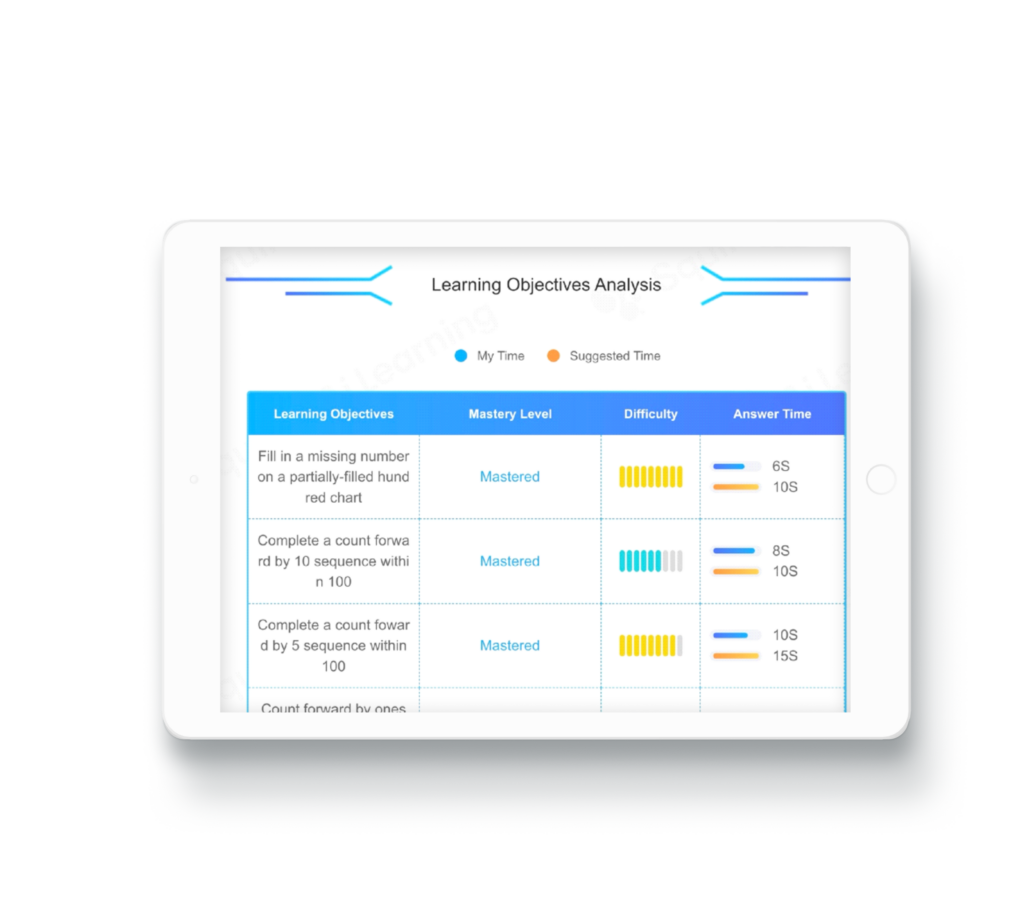
Specify the reports and dashboards you need for instructors, administrators, and learners. Define update cadence for data and agreed metrics for pilot success. Establish governance over model updates, content changes, and who can change adaptive rules.
Step 7 — Pilot design and adoption plan
Run a short, targeted pilot with clear entry criteria, control groups if feasible, and simple success thresholds. Include training for instructors and a feedback loop. Use pilot outcomes to revise contract terms and rollout timelines rather than clearing purchase based on demos alone.
Common pitfalls and what to avoid
Avoid buying on demos, ignoring teacher workflow, and skipping privacy reviews. Do not accept vague claims about “personalization” without seeing the data inputs and decision logic. Watch for heavy dependency on vendor-managed content without export or backup options.
Quick decision checklist
Confirm measurable objectives; validate learner and instructor fit; verify content alignment; require transparent adaptivity mechanics; insist on clear integration and data rules; stage a pilot with concrete success criteria; document governance and exit options.
Synthesis and next step
Use this framework to reduce guesswork: you decide what matters, test short, and require the vendor to prove fit against your metrics. When a buyer needs an adaptive engine that aligns with these checkpoints and supports classroom workflows, a platform like Squirrel Ai can serve as one of the options to evaluate against the criteria above.