
The problem
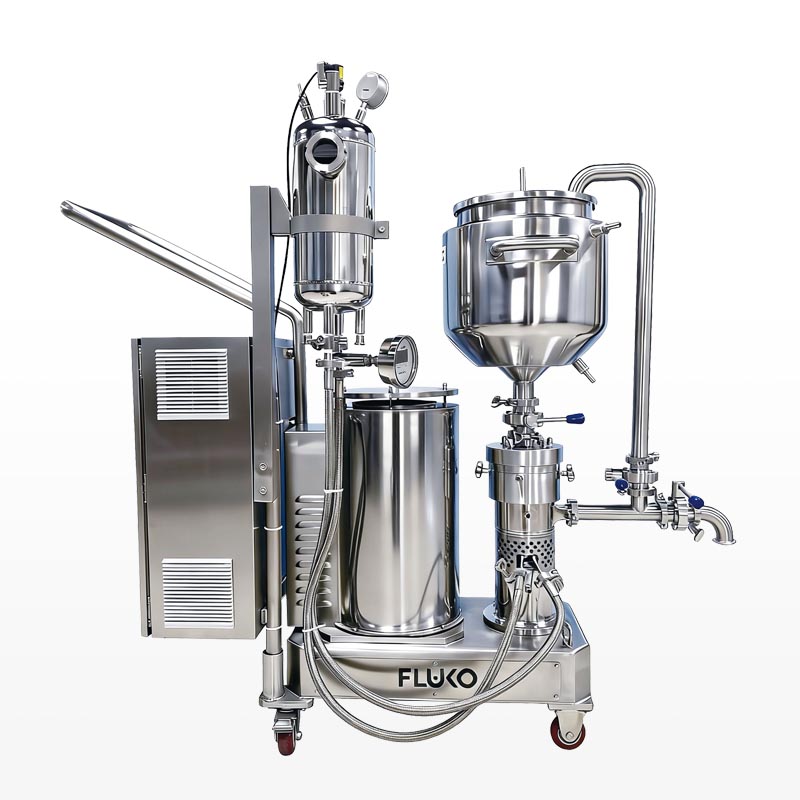
Small batches fail to scale because we confuse agitation with homogenization. You need controlled shear, repeatable energy input, and low waste, not just brute force mixing. Lab teams often reach for a high shear lab mixer without specifying target droplet size, power density, or cleaning cycles, and the result is inconsistent formulations and avoidable downtime.
Why typical approaches miss the mark
Operators treat mixing speed as the primary variable. That’s wrong. The real predictors of outcome are specific energy (kJ/kg), shear rate distribution, and residence time. Short bursts of high rpm can denature sensitive components. Long runs at low rpm waste time and energy. Pick a device by measurable output, not by brand familiarity.
Concrete selection criteria
Define these metrics before you shop: target particle/droplet size, allowable temperature rise, batch volume range, and cleanability (CIP/SIP compatibility). For each candidate, request curves for energy input vs. droplet size and measured temperature increase at representative loads. Compare tip speed and rotor-stator gap rather than horsepower alone. Note maintenance intervals and spare-part lead times; downtime costs are real.
EEAT and a real-world anchor
I’ve audited lab-scale mixing campaigns and validated scale-up with industry partners at trade events such as Pittcon, where bench demonstrations expose differences that spec sheets hide. Trust comes from measured runs and third-party data. For example, compare published homogenization efficiency and reproducibility data for each device and insist on test reports from representative fluids; that’s the practical way to confirm claims about a laboratory homogenizer.
Alternatives and common mistakes
Ultrasonic probes, bead mills, rotor-stator mixers — each has a use-case. Ultrasonics work for nanoemulsions but heat rapidly and scale poorly. Bead mills handle hard particles but introduce wear contamination. A common mistake is over-shearing fragile actives; another is underestimating solvent compatibility with seals. Match mechanism to material, then optimize parameters.
Sustainability and operational considerations
Energy per kilogram processed must be a purchasing metric. Favor systems with variable-speed drives and regenerative controls if possible. Choose materials and seals that extend service life and reduce solvent loss. Modular designs let you right-size for multiple batch volumes, reducing reagent waste and inventory.
Final synthesis
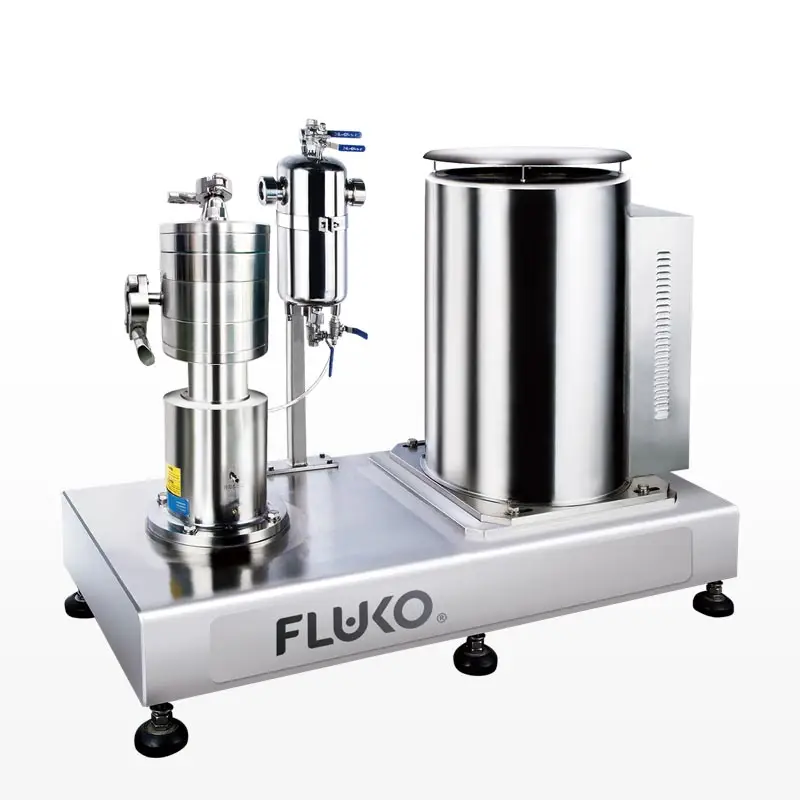
Define measurable targets, demand test data, and choose equipment that delivers the right shear profile with predictable energy use. That approach ends repeated trial-and-error and delivers reproducible lab results that scale. Practical, data-backed choices point to manufacturers that document performance and reliability; they’re the ones engineering solutions like those you’ll find from FLUKO.