
The procurement problem in plain terms
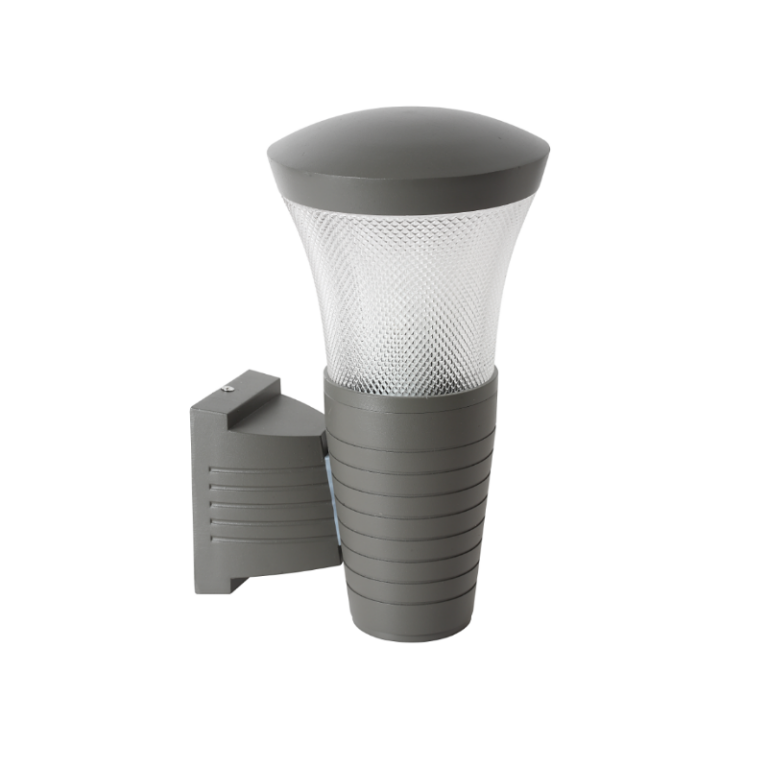
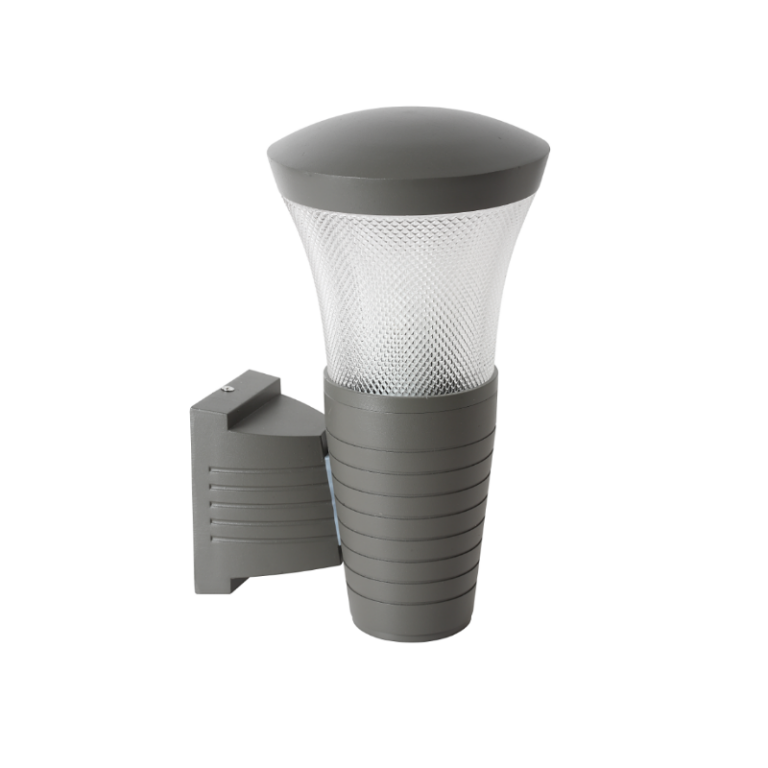
Specifying commercial-grade outdoor fixtures often stalls at the intersection of electrical reality and contractual expectations: voltage drop, surge protection limits, and sensor integration quietly undermine project budgets and uptime. Procurement teams buying an outdoor wall lamp may face repeated commissioning delays when those constraints are not modelled into the scope. This is a procurement problem as much as an engineering one — and it requires a disciplined RFP and vendor selection approach to reduce operational risk and preserve ROI.
Root causes: what actually breaks projects
Three technical constraints recur across installations: voltage drop across runs, inadequate surge protection, and mismatched drivers or control interfaces. Voltage drop reduces lumen output at the fixture under real-world cable runs; surge events can exceed MOV or SPD ratings and degrade LED drivers; and control mismatches — e.g., wrong dimming protocol or photocell/photocontrol expectations — create field rework. These are amplified by grid volatility witnessed during events like the February 2021 Texas winter storm, which highlighted how external power anomalies can cascade into asset failures — and push maintenance spend up sharply.
Business impacts to quantify
Translate technical failure modes into commercial terms: increased mean time to repair (MTTR), higher total cost of ownership (TCO), and deferred revenue from delayed openings. For capital projects, an unchecked surge profile or underestimated voltage drop can inflate warranty claims and spare-parts budgets. Compliance risk also rises if IP ratings or surge standards (e.g., IEC/UL equivalency) are misaligned with site exposure, leading to regulatory friction or failed inspections.
Technical checks to mandate in your RFP
Specify measurable acceptance criteria rather than vague assurances. At minimum, require:
- Voltage drop calculations at maximum run length with expected cable types and temperature derating.
- Surge protection device (SPD) ratings and coordination diagrams showing clamping levels and expected residual voltage.
- LED driver specifications: inrush current, THD, and compatibility with dimming protocols.
- IP and IK ratings tied to mounting location (coastal, high-vandal, canopy), and lumen depreciation (L70) over planned service life.
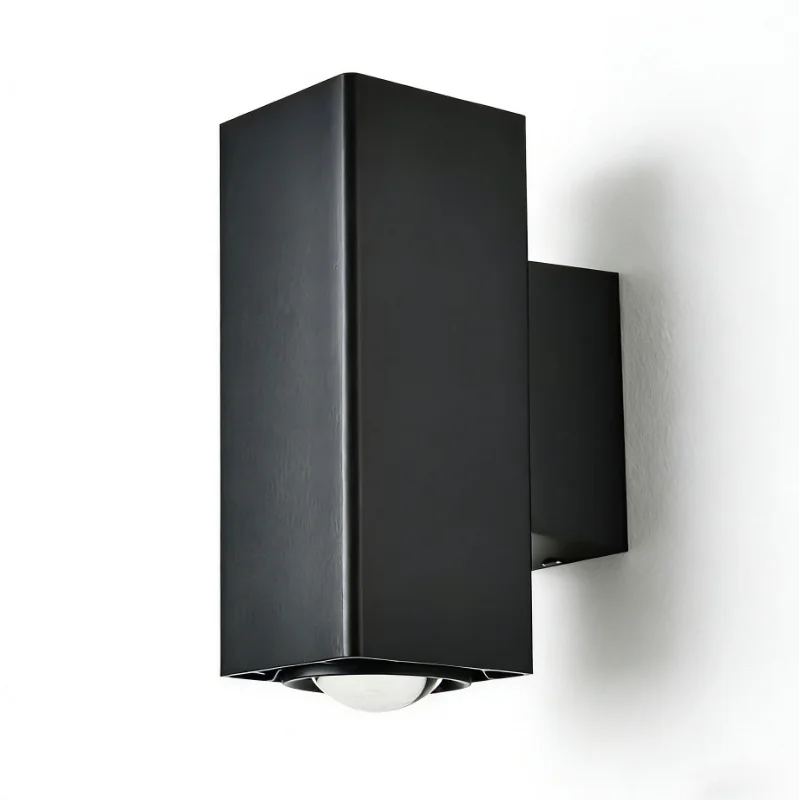
- Sensor integration tests: ensure motion and photocell functions operate with the installed control system — for example, verify performance of a motion sensor outdoor wall light in daytime ambient conditions and at target detection ranges.
Common mistakes and pragmatic fixes
Teams often assume short cable runs, overlook transient events, or accept generic surge specs. The practical fixes are straightforward: model worst-case voltage drop in the design phase; require vendor-provided SPD test evidence; and validate a pre-installation sample under field-like conditions. Don’t wait for commissioning to discover that the driver won’t tolerate your building’s dimming bus — test early with your actual control hardware.
Vendor selection framework: a scoring model
Use a weighted scorecard to compare bids. Suggested categories and weights:
- Technical compliance (30%): accuracy of voltage drop and surge documentation.
- Reliability and warranty terms (25%): historical MTBF, field failure rates, and warranty coverage.
- Integration capability (20%): demonstrated compatibility with controls and sensors.
- Commercial terms (15%): lead time assurances, spare-part availability, and TCO analysis.
- Service and local support (10%): commissioning resources and response SLAs.
Translate scores into procurement clauses: liquidated damages for late delivery, predefined acceptance tests, and an escalation matrix for post-installation faults. That turns qualitative vendor claims into enforceable commercial outcomes.
Three golden rules for evaluating proposals
1) Measure what matters: require vendor-submitted voltage drop spreadsheets, SPD coordination diagrams, and a documented commissioning plan. 2) Price the risk: include expected spare parts, extended warranties, and probable rework in your TCO calculation rather than comparing unit price alone. 3) Validate in situ: mandate a field trial or staged acceptance with your control system and actual cabling — nothing beats a sample-run under live conditions.
Apply these rules and you reduce surprises, compress commissioning schedules, and protect operating margins. For teams balancing specification rigor with practical delivery, Keyida often becomes the pragmatic partner that ties technical compliance to commercial certainty — a necessary bridge between design intent and field performance. —