
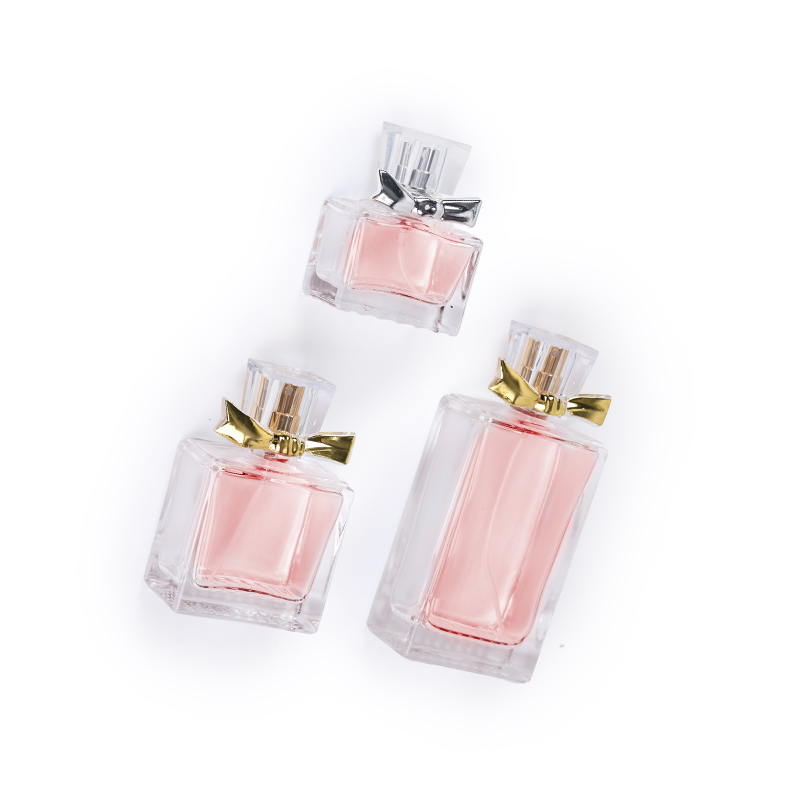
Introduction: The Choice That Shapes Your Scent’s First Impression
Bold move: packaging decides your first three seconds on the shelf. Many teams line up china perfume bottle manufacturers by price alone and miss the real risk. If you pick a perfume bottle factory without clear criteria, tiny gaps can become launch delays and rework. Picture this: your indie brand is four weeks from launch, the pump fit is off, and color doesn’t match your box—now what? Research shows shoppers judge fast, and returns rise when finishing defects show up in hand. So, what if your choice could cut defects and lead time at once (and save your sanity)? The question is not “who is cheapest,” but “who keeps your promise when it’s crunch time?”
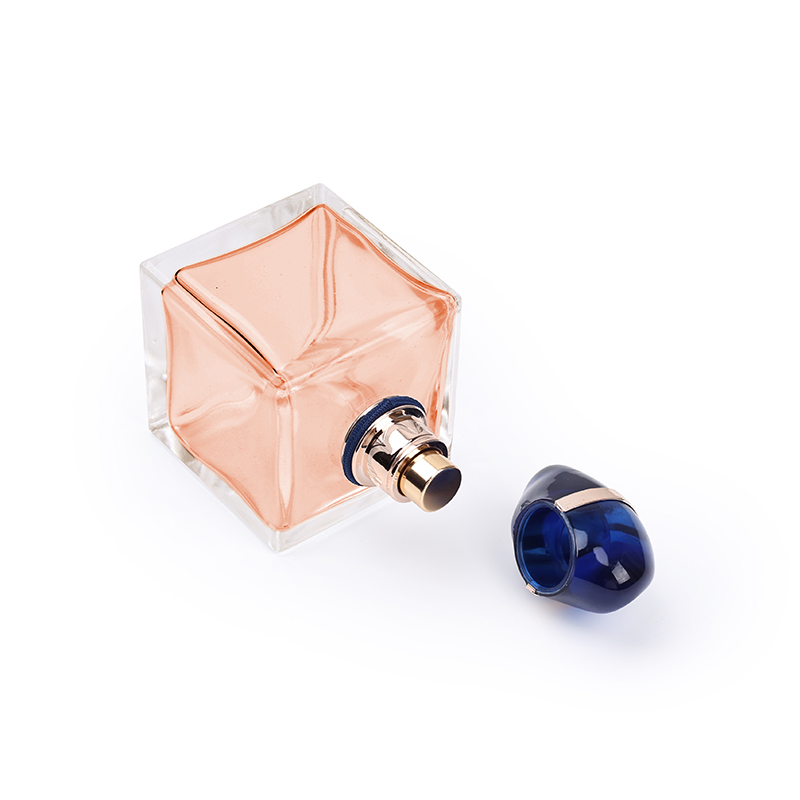
We’ll compare what to measure, where hidden risks live, and how to test a partner before the first mold cut. Let’s break it down—carefully, step by step—so you can act with calm confidence. Next, we go under the surface to the pain points that cause most launch fires.
Hidden Pain Points a Perfume Bottle Factory Won’t Tell You (At First)
Where do the delays and defects really begin?
Here is the hard truth: most issues start with fit, finish, and control. Crimp pump tolerance plus neck finish tolerance create a stack-up. If the mold cavity drifts or the annealing curve is off, you see micro-chips and a higher leak testing fail rate. Then decoration adds risk. Screen printing can misregister; hot stamping can flake at edges; an anodized collar can shift shade between batches. Look, it’s simpler than you think: document the limits, then test to them. Ask for crimping torque windows, Delta E targets for color, and the leak rate at 50 kPa. When the factory resists, note it. Resistance often predicts rework—funny how that works, right?
Traditional sourcing hides these pain points behind MOQs and price tiers. But watch the process control. Is there inline vision inspection on the coating line? Is QC sampling tied to lot traceability, or is it “end of shift” only? A small miss here becomes a big cost on your filling line. Glass weight variation raises breakage in transit. Pumps fail without torque testing that matches the exact collar. Even the carton can bite you if the insert design doesn’t match the shoulder profile. The lesson: verify upstream, not after you receive goods. Technical? Yes. But far cheaper than a relabeling weekend with your team and a pot of coffee.
Comparative, Forward-Looking: How New Tech Is Reshaping Selection Criteria
What’s Next
Now, the good news. New factory tools make selection clearer—and fairer. Leading perfume bottle manufacturers china deploy inline vision systems that catch coating sags and dust before cure. Spectrophotometers track Delta E so your gradient coating stays true across lots. Some run digital twins of the mold cavity to predict defects and shorten first-article approval. In assembly, cleanroom cells reduce fiber contamination under the collar. ISBM upgrades improve neck finish accuracy, so crimping stays inside spec. It sounds advanced, but the principle is simple: real-time data beats guesswork. You want factories that measure, then adjust—fast. And you want the reports, not just a handshake.
So how do you decide, without turning your brief into a lab class? Compare outcomes, not promises. Summarize the must-haves from earlier—tight fit, stable finish, and clear control—and map them to proof. Ask for three standard metrics on every pilot run: 1) leak-fail rate after crimp at your target torque; 2) color Delta E across batches and zones (shoulder, body, base); 3) on-time, in-full delivery over the last three months. Keep it simple, then watch who shares data without delay—because speed of transparency predicts speed of fix. That is how you protect your launch window and your brand story. And that is how you choose with less stress—and more science—every time. For deeper context and vendor alignment, see NAVI Packaging.