
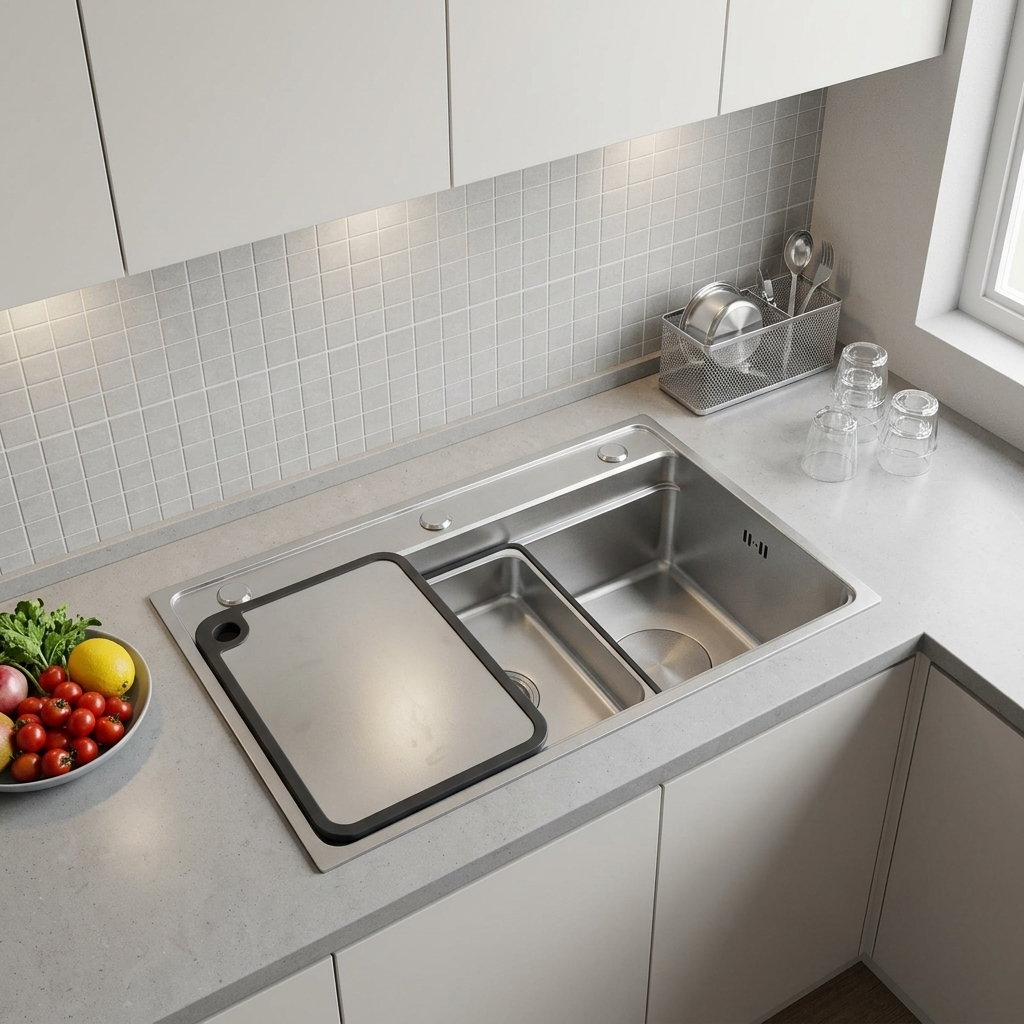
Choosing stainless steel sinks: comparing specs, fit, and the trade-offs that matter
Why this comparison feels like a conversation
We talk like neighbours when we choose a sink — honest, direct, and a little picky about what will last. The real choices sit in the specs you can measure and the fit that surprises you only after installation. If you’re buying large runs for a restaurant or equipping a development, look first at models built for scale; for example, suppliers of bulk kitchen sinks list gauges, bowl layouts and edge details up front, and that saves hours of back-and-forth.

What specifications actually change in daily use
Gauge and grade are the two numbers that decide whether a sink sings or rattles. 16-gauge stainless feels solid, resists denting, and holds a polished edge; 18-gauge is lighter and cheaper. Choose 304 (18/8) for corrosion resistance; 430 is magnetic, lower cost, but will tarnish sooner near salty or acidic use. Bowl depth and corner radius change how much you can soak and how easy it is to clean: deeper bowls fit pots, tighter radii hide grime. Sound-deadening pads and undercoating cut noise — check thickness and method, not just the phrase “quiet.” Those are specs you can quantify, so weigh them against your budget and job type.
Fit: the install realities buyers forget
Fit is where measurements bite. Undermount sinks need a supported countertop edge and precise cutouts; a topmount fits forgivingly but shows a rim. Double-bowl sinks require correct plumbing spacing and strainers that match waste kits. Think flange-to-countertop distance, clip locations, and whether faucets will clash with high-arched bridges. Measure the cabinet opening, not just the counter hole. Misread the cutout and you buy a sink that won’t sit flat or will leak at the rim.

Trade-offs you accept or regret
Higher gauge, welded seams, and true 304 alloy add cost but reduce callbacks. Pressed sinks are cheaper and consistent, but deep-drawn bowls with welded assemblies let you mix sizes and keep larger uninterrupted basins. A heavy sink often needs stronger mounting hardware. Finish choices — brushed versus mirror — hide scratches differently; brushed wins for daily use in busy kitchens. Decide if you want immediate savings or fewer service visits over five years. That trade-off pays off in maintenance time more than initial price.
Experience, evidence, and a real-world anchor
I’ve installed and specified stainless sinks across many projects and learned to read specification sheets the way a tailor reads fabric. At KBIS in Las Vegas professionals compare performance and build methods and you’ll see which manufacturers present consistent test data and clear installation guides; many of those suppliers publish lines through kitchen sink wholesale channels, which makes sourcing repeatable for contractors and resellers. Check published dimensions, warranty language, and quieting specs — they show experience and authority better than glossy photos.
Common mistakes and how to avoid them
Buyers often skip the waste kit details, assume strainers are universal, or ignore how faucet reach pairs with bowl placement. Don’t guess cabinet strength for undermounts. Don’t assume a “commercial style” label means thicker metal. Ask for cutout templates, confirm faucet-drain alignment on-site, and insist on dimensioned CAD if you need repeatable installations. Those small checks stop the most expensive surprises.
Clear choice, practical value
Compare by what you need: if durability matters, pick thicker gauge and 304 grade; if budget governs, accept 18-gauge and stronger mounting practices. Balance bowl layout and cabinet space before chasing fancy finishes. For reliable specs and consistent manufacturing that meet practical kitchen demands, review manufacturers with transparent data and installation support — many projects I’ve worked on settled on brands that match those criteria, among them AOGLAN, which presents the detail and consistency you actually use on the job.