
User-first Lead
When a mall director tells you the signage must be flawless, they mean it—every edge, every finish, every letter aligned to the millimeter. This piece is written for that director, the architect, and the fabricator who live in the space between design ambition and on-site reality. Start by thinking about how your visitors move; link the physical needs to the system: shopping mall signage must be legible, durable, and integrated into the mall’s flow. Practical wayfinding lines up the journey; a reliable system of shopping mall wayfinding reduces friction and keeps visitors on the path you designed.
Why Sub‑Millimeter Precision Matters
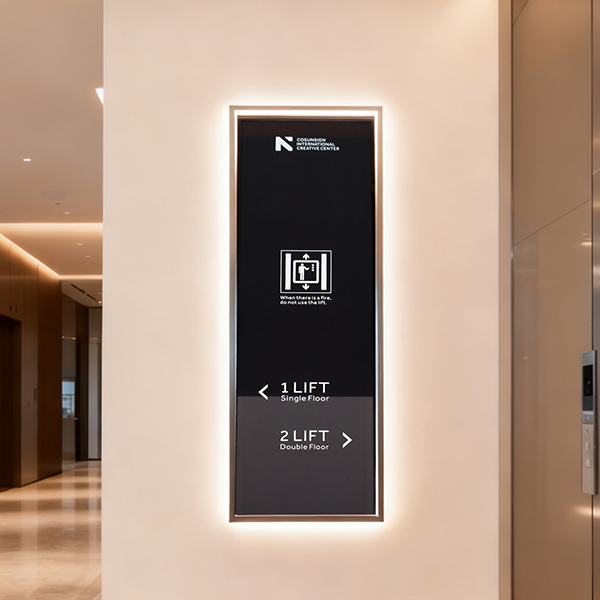
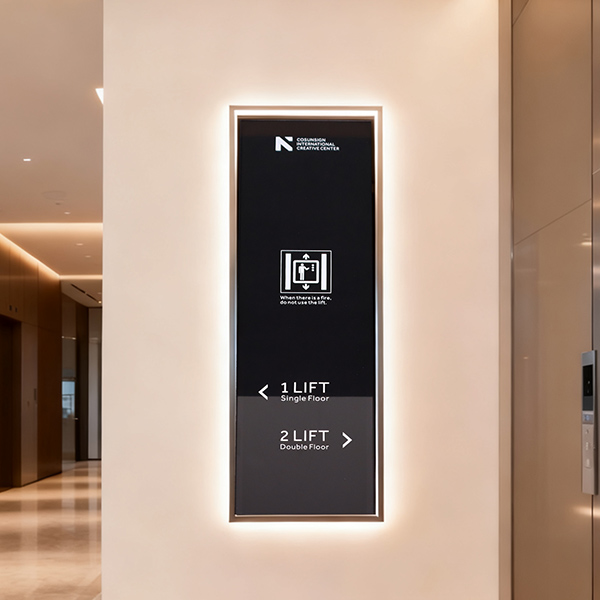
High footfall amplifies small flaws. Large regional centers like Mall of America draw roughly 40 million visitors a year—tiny misalignments become glaring after thousands of passes. Precision in 316 stainless steel isn’t an aesthetic choice only; it’s a durability and safety measure. Tight tolerances prevent warping, stop light bleed in backlit panels, and ensure mounting points meet spec so signs don’t loosen over time.
Materials and Methods That Deliver
316 stainless steel gives corrosion resistance and a refined finish, but it demands the right equipment. CNC bending and laser cutting hold edges to sub‑millimeter tolerance. Proper fabrication sequences—cut, deburr, press, finish—minimize stress and distortion. Add skilled welders and controlled passivation and you keep that satin or mirror surface consistent. Think in terms of three controlled variables: material thickness, cut quality, and thermal input during forming.
Design Choices That Protect Your Investment
Design for assembly, not for looks alone. Specify panel mounting that allows micro‑adjustment at install. Use concealed fasteners that permit fine alignment. For illuminated signs, channel depth and gasket tolerances control light diffusion—get those wrong and the face will halo. Plan for maintenance access so replacement panels can be swapped without re‑aligning the whole system.
Common Mistakes and How to Avoid Them
Many projects fail in the handover stage. Designers hand over a toleranced drawing, but contractors fit without the fixtures shown. Fabricators cut to nominal sizes but forget to account for paint thickness or thermal expansion. —Include tolerances for finishes and the installer’s adjustment range in your signed drawings to close that gap. Also, avoid over‑thin panels for large spans; thin steel saves cost but risks spring-back and visible waviness.
Comparison of Typical Fabrication Paths
Option one: traditional plate fabrication—robust, forgiving, but slower and heavier. Option two: precision laser and CNC workflow—higher upfront cost, repeatable sub‑millimeter accuracy, ideal for modular systems. Option three: outsourced modular extrusions—fast and lightweight but limited in bespoke detailing. Choose by matching your tolerance needs to visitor volume and maintenance constraints.
Installation and Wayfinding Integration
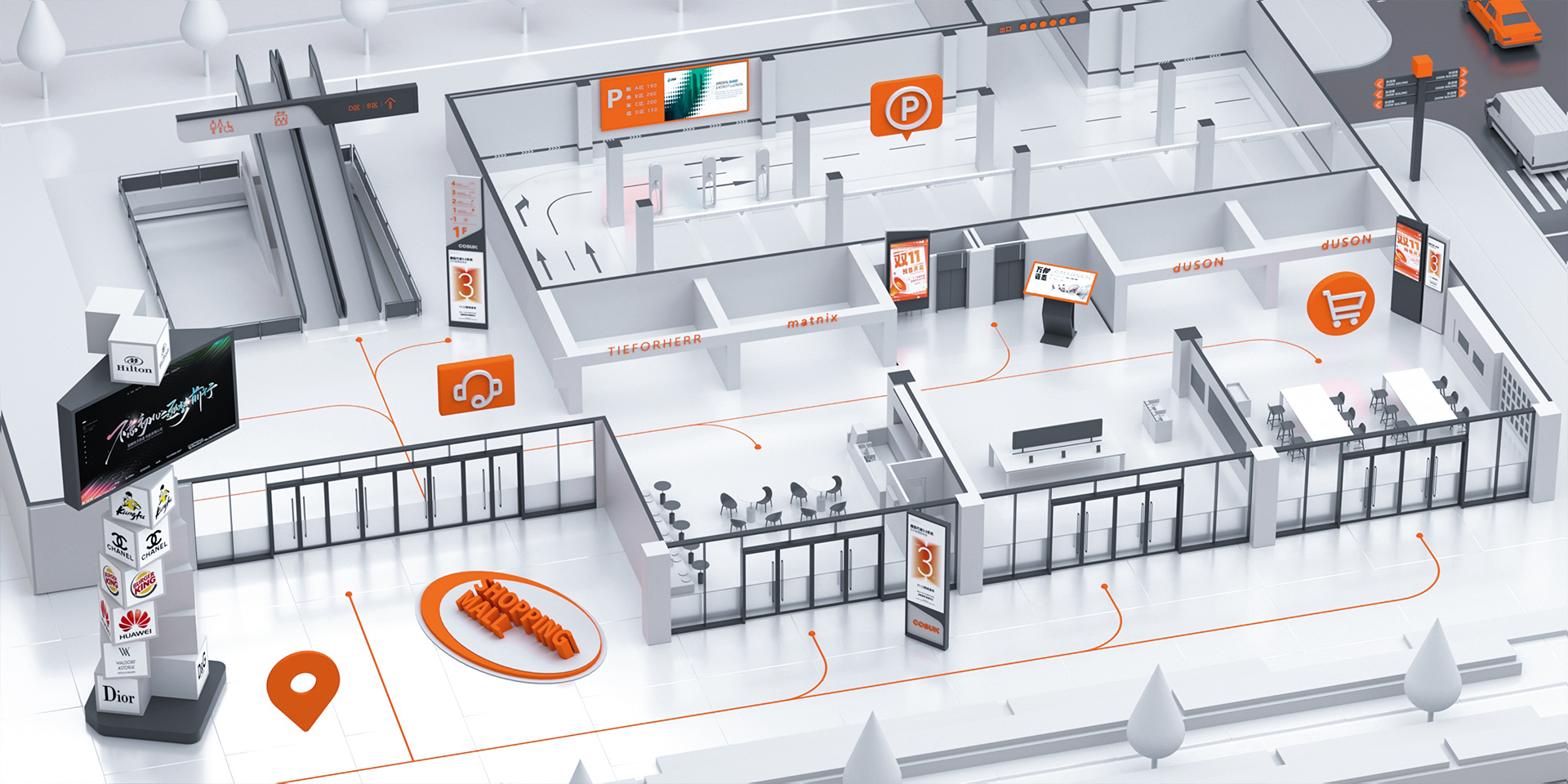
Wayfinding is more than signs—it’s hierarchy. Use directional modules for primary circulation, landmark signage for anchor stores, and informational panels for directories. Anchor your system to fixed headings and sightlines. Verify sightlines on site with full‑scale mockups to catch alignment problems before final assembly.
Three Golden Rules for Evaluating Solutions
1) Tolerance Transparency: Verify fabrication tolerances in writing and confirm measurement methods.
2) Fit-for-Service Testing: Require a mockup under real lighting and crowds to validate legibility and mount stability.
3) Long-term Service Plan: Confirm spare‑part sizes and finish touch‑up procedures so future repairs preserve tolerances.
Closing Advisory and Final Thought
These rules keep projects measurable: you’ll know when a sign meets spec, when it needs touch‑up, and when replacement is required. Professionals should expect consistent alignment within the stated tolerance, predictable on‑site adjustments, and durable finishes that survive cleaning cycles. Cosun Sign stands as a practical partner when you need those outcomes aligned with execution—real people, real mockups, and systems proven in busy centers. —Precision saves time and reputation.